
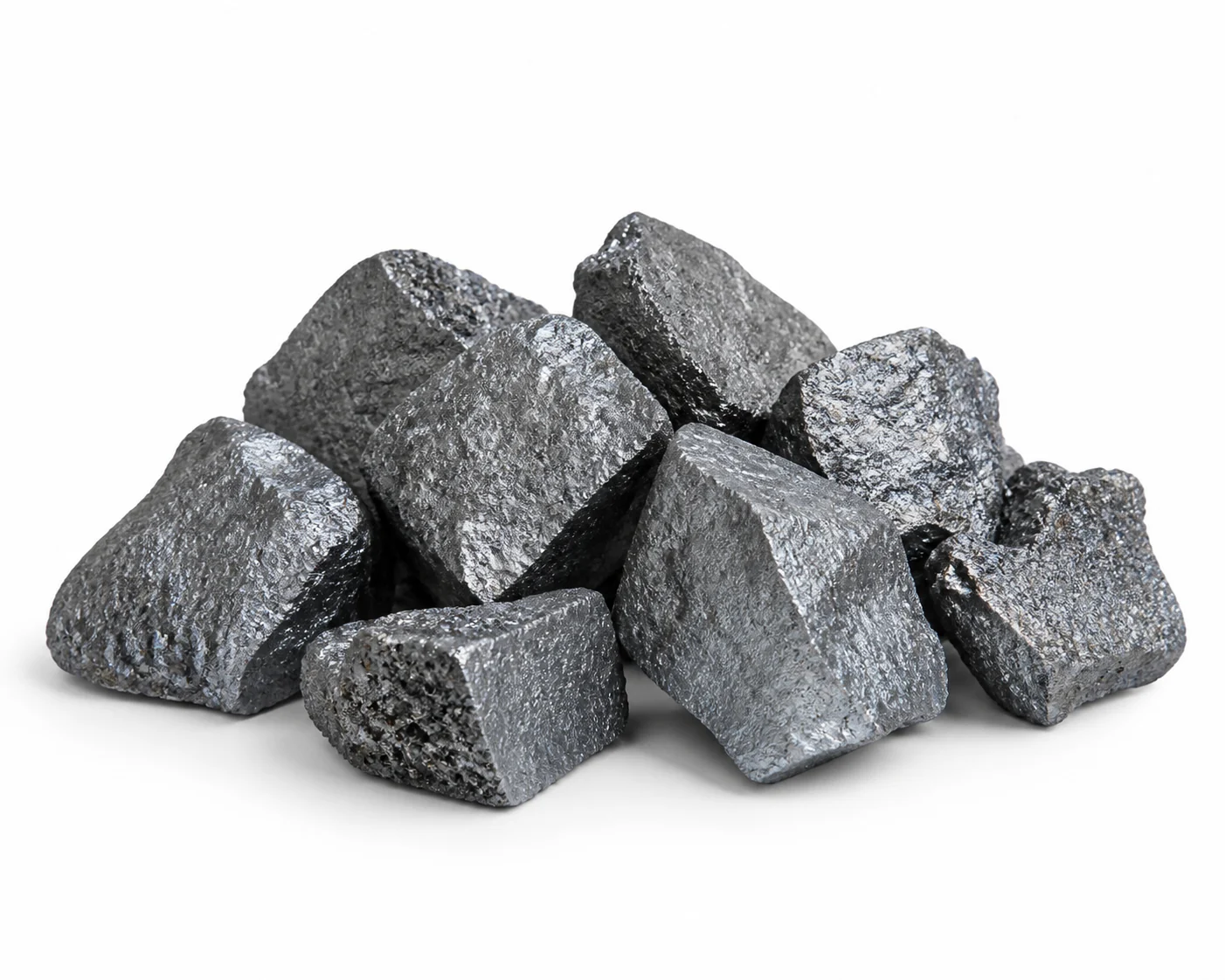
Ferrosilicon
Used for deoxidation and silicon adjustment in steelmaking and steel foundries, and for in-furnace silicon correction in iron foundries.
Products · 02
Search by standard name, English name, product code, grade or common term.
Used for deoxidation and silicon adjustment in steelmaking and steel foundries, and for in-furnace silicon correction in iron foundries.
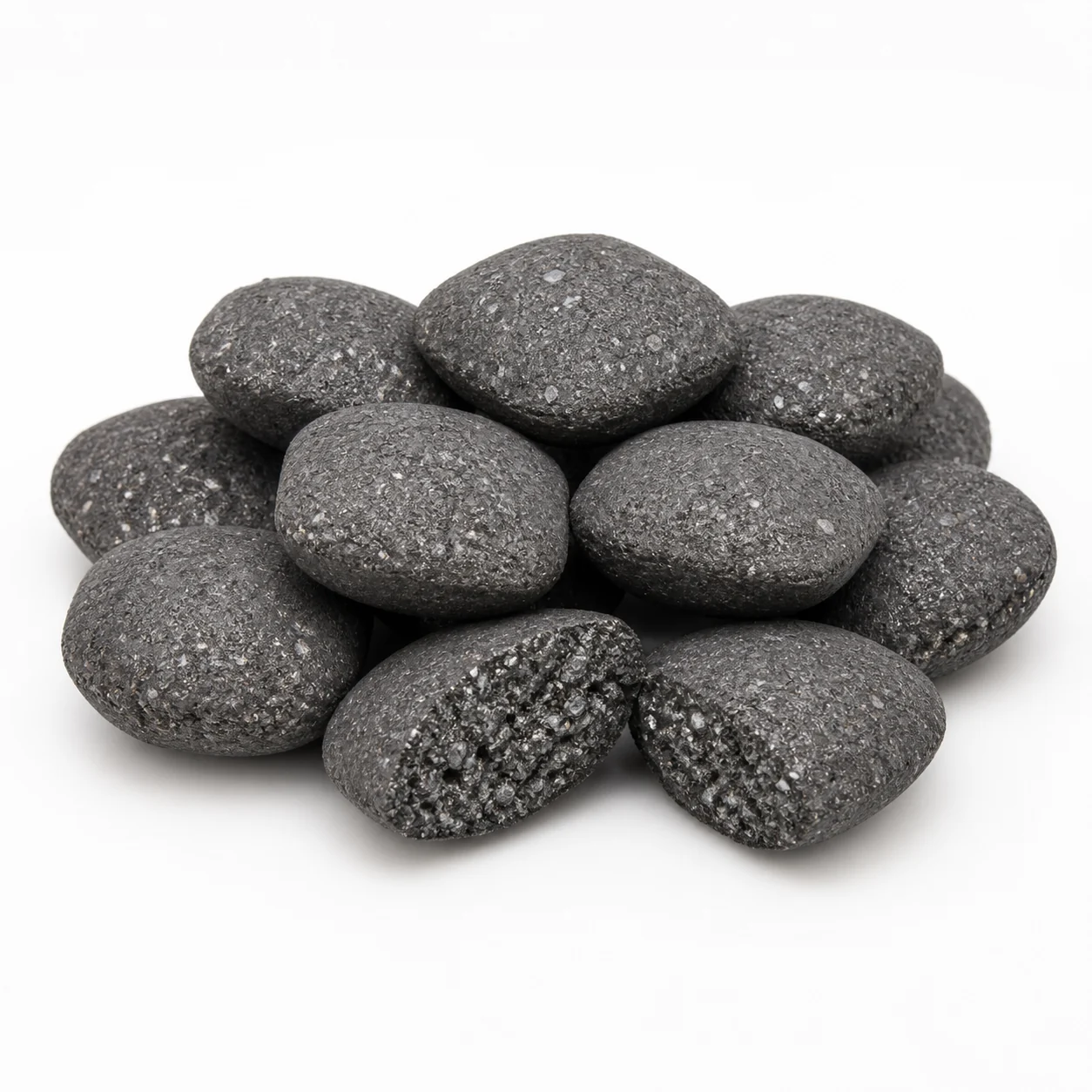
Aliases: FeSi briquette · Steelmaking ferrosilicon ball
A steelmaking silicon source made principally from verified ferrosilicon fines by batching, binding, briquetting and curing or drying. After finished-product chemistry, effective silicon, moisture, strength and plant recovery are validated, it may be used for tapping deoxidation, silicon alloying and selected slag-reduction duties; it is not silicon-slag briquette, silicon-carbon briquette or lump ferrosilicon.
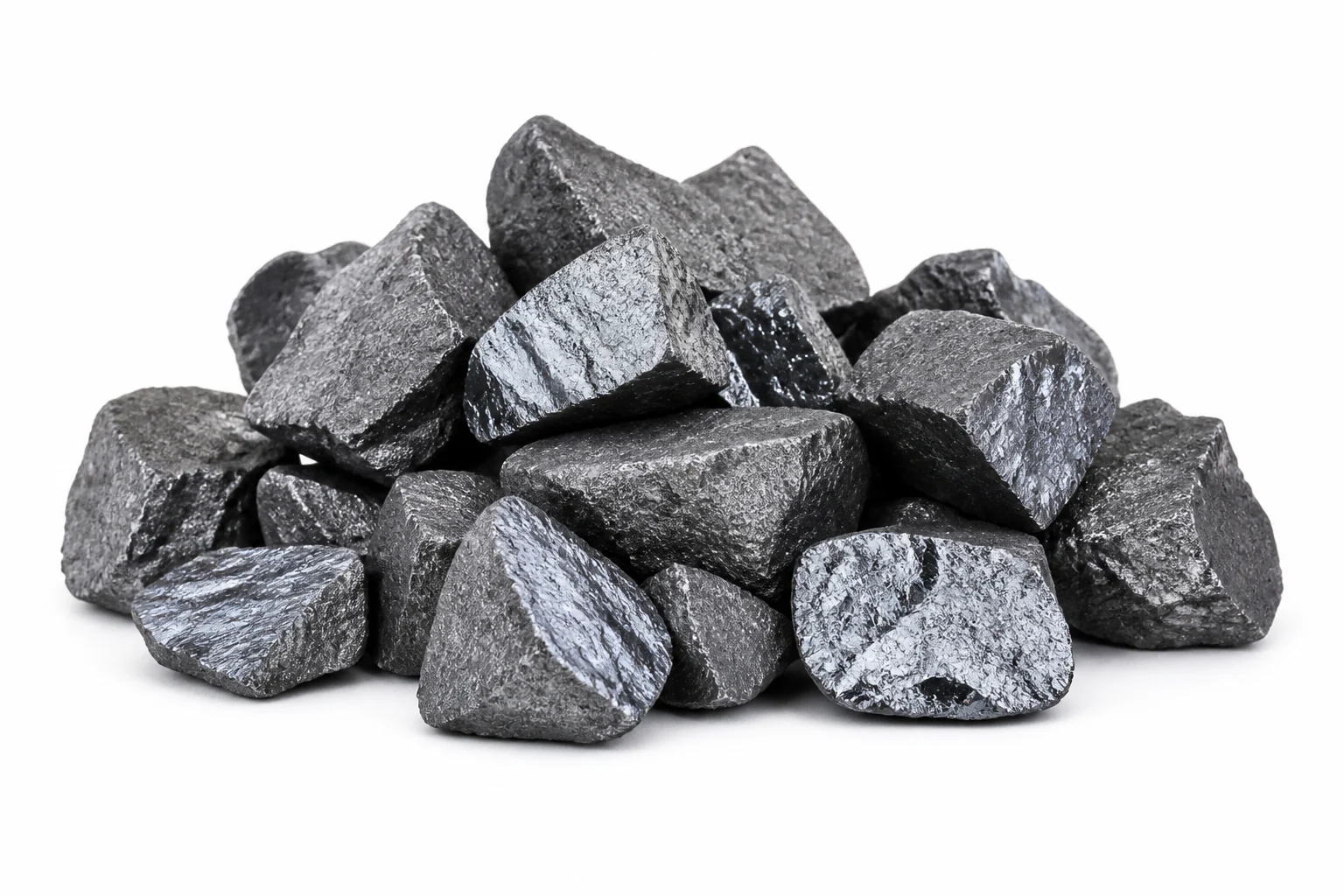
Industrial silicon controlled by Si, Fe, Al, Ca and application-specific trace elements. After technical review it can be used in aluminium alloying and as upstream feed for silicones or further purification to polysilicon; actual grade, sizing and documents must be confirmed by application.
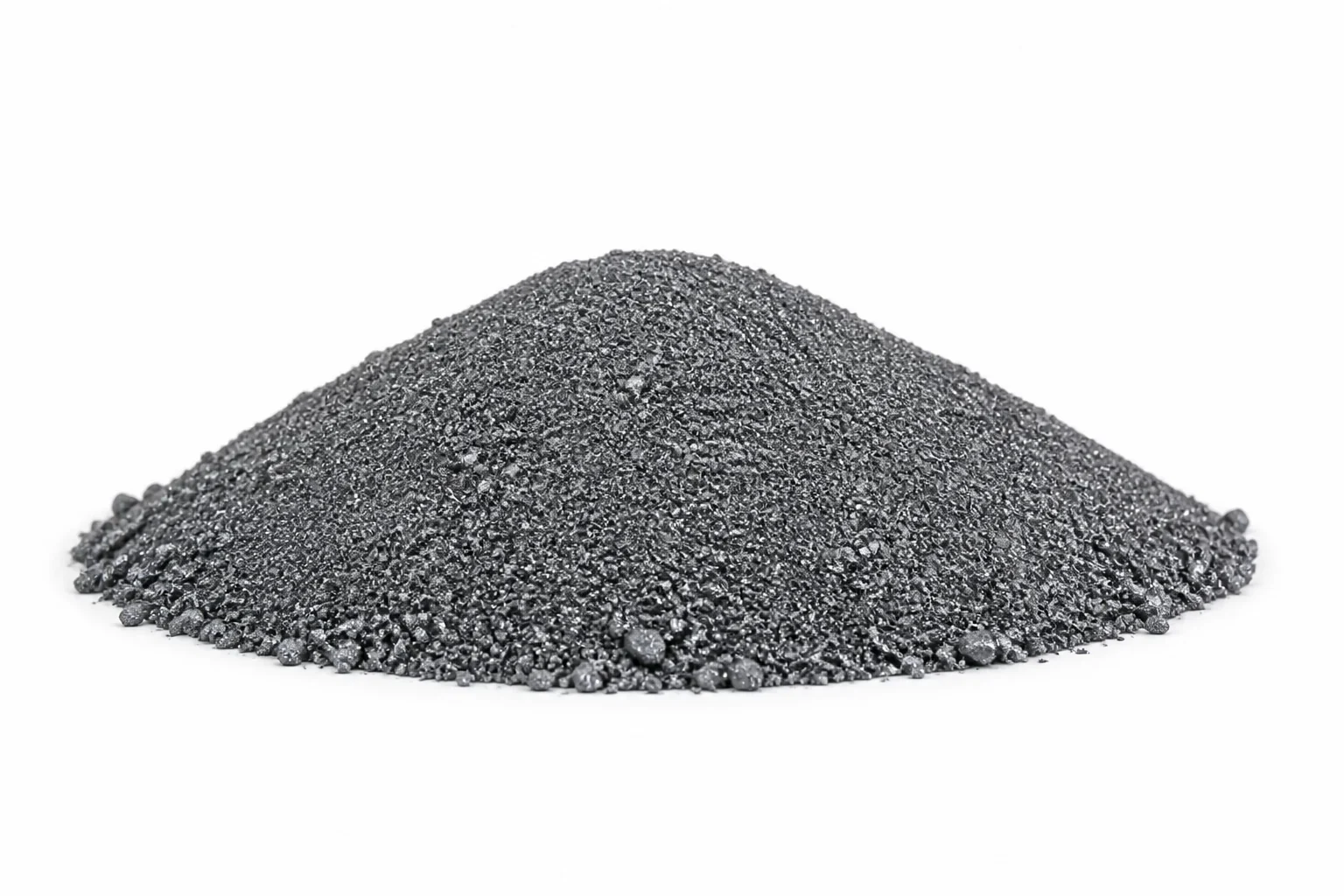
Aliases: Silicon-metal powder for refractories (application grade) · Crystalline silicon powder for carbon-containing refractories · Silicon-metal powder for reaction-bonded silicon carbide
Crystalline silicon-metal powder produced by crushing, milling and classifying industrial silicon. Particle-size distribution, impurities, reactivity and dust hazards vary with feedstock, milling route and application. After technical review it may be used in carbon-containing refractories, dedicated SiSiC/RBSiC processes or direct silicone synthesis. Formal supply is governed by the actual SKU TDS, SDS/PSI and lot COA.
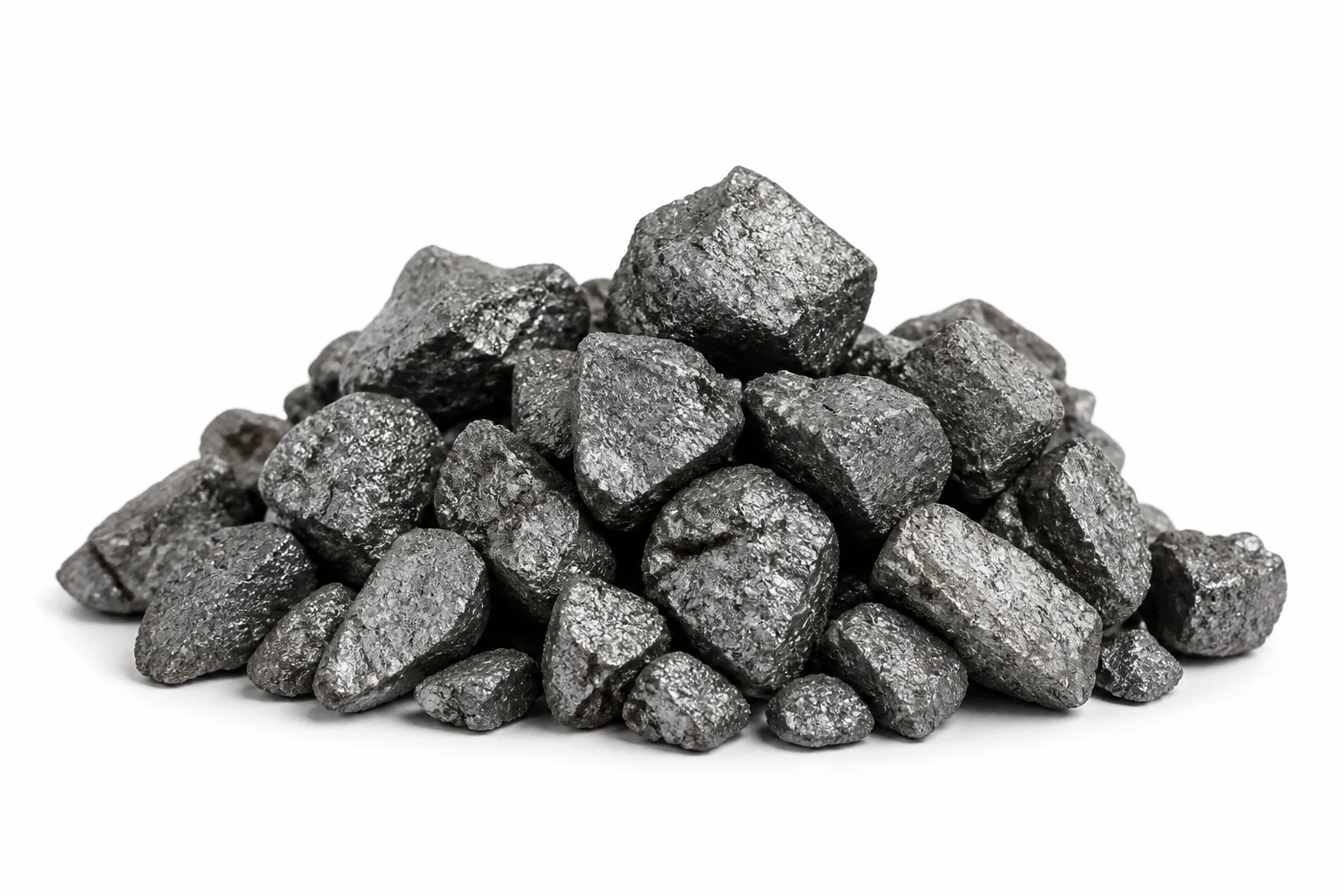
Used for technically reviewed deoxidation, calcium treatment and inclusion control in steelmaking and steel foundries; performance depends on grade, deoxidation state, sulfur, feed form and process stage.
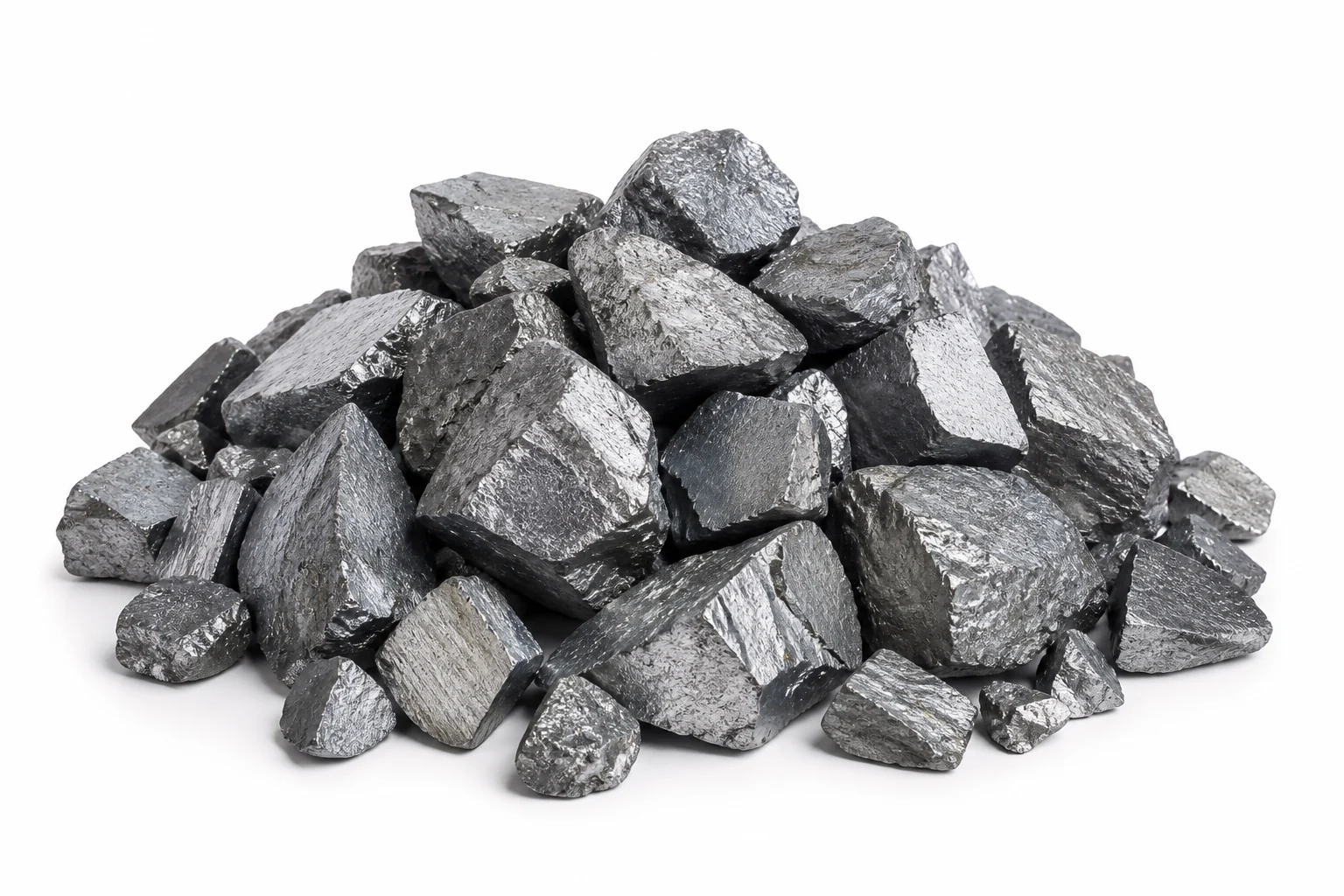
Aliases: Ferrosilicon-aluminium alloy
A silicon-and-aluminium composite direction for deoxidation and chemistry adjustment in reviewed steelmaking and cast-steel practices; Si/Al ratio, residuals and timing must match the target grade.
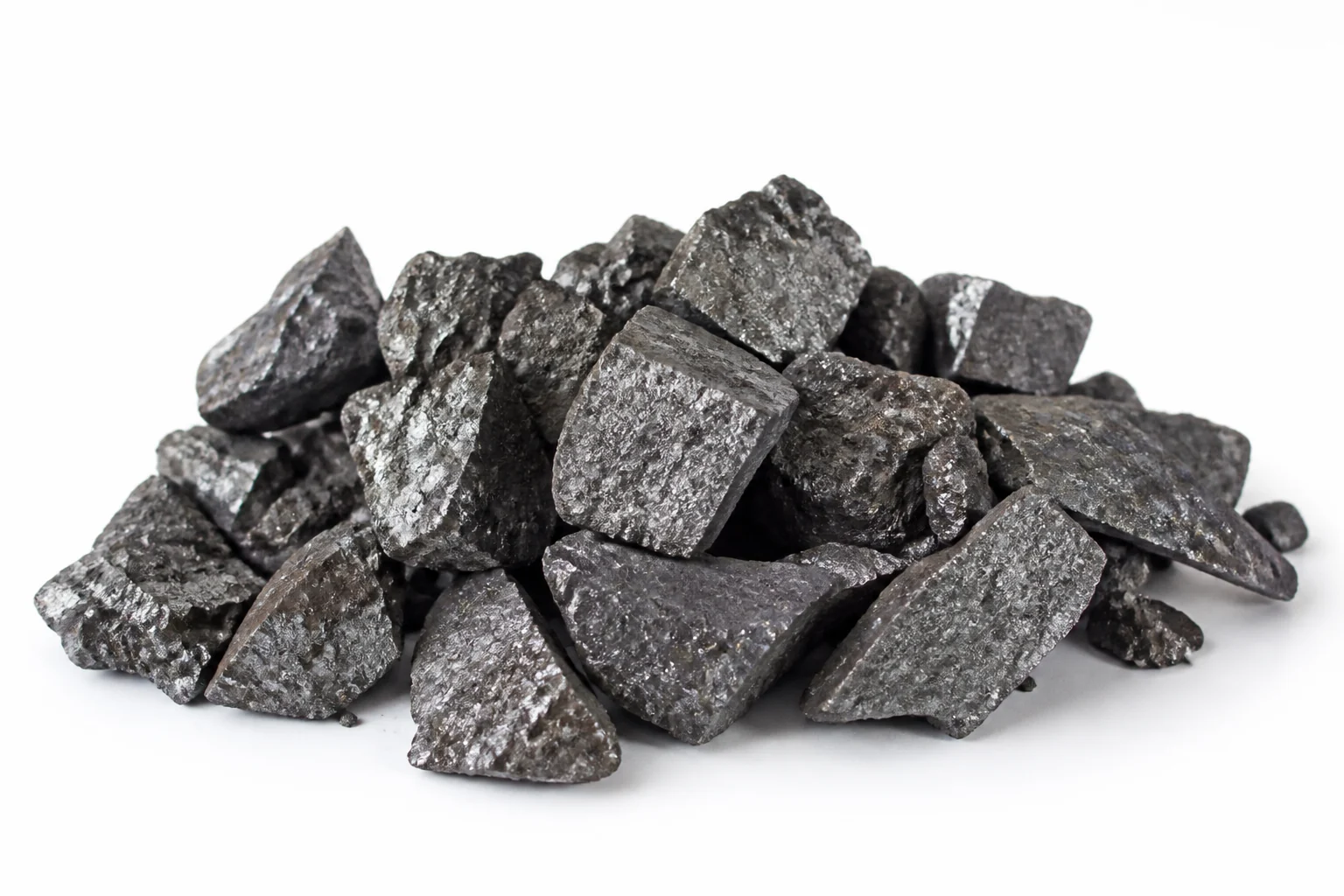
Can be managed as a reviewed silicon-barium inoculant for cast iron or as a compound steel deoxidizer; Ba/Si system, sizing, addition point and acceptance criteria must remain application-specific.
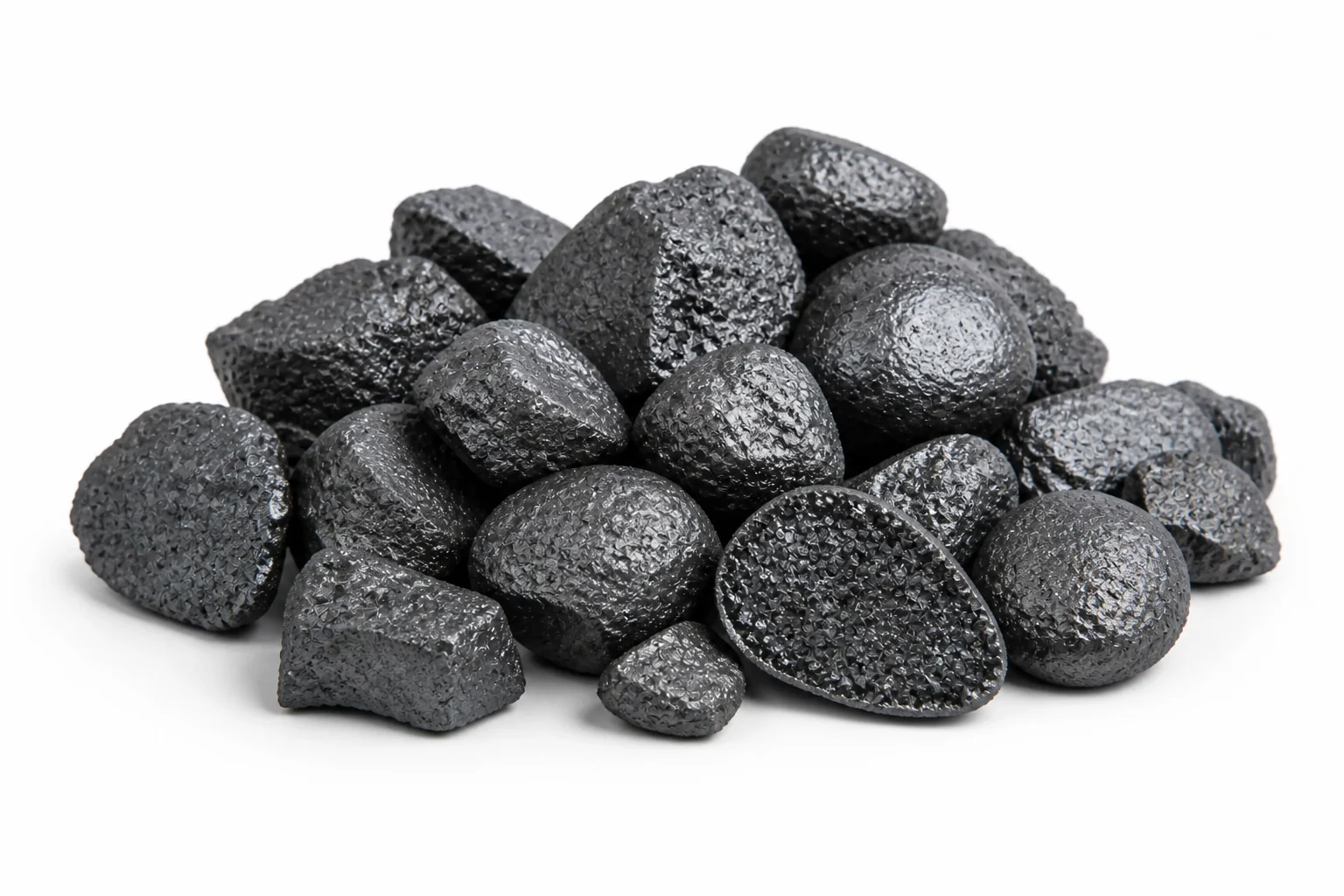
A commercial family of steelmaking additions whose principal declared control variables are silicon and carbon. Depending on the confirmed SKU, it may be a smelted material or an agglomerated composite; after process review it may support combined Si/C adjustment, deoxidation practice or heat-balance trials. Phase constitution, chemistry, residuals, sizing, recovery and addition practice must be confirmed by the formal TDS, lot COA and plant trial.
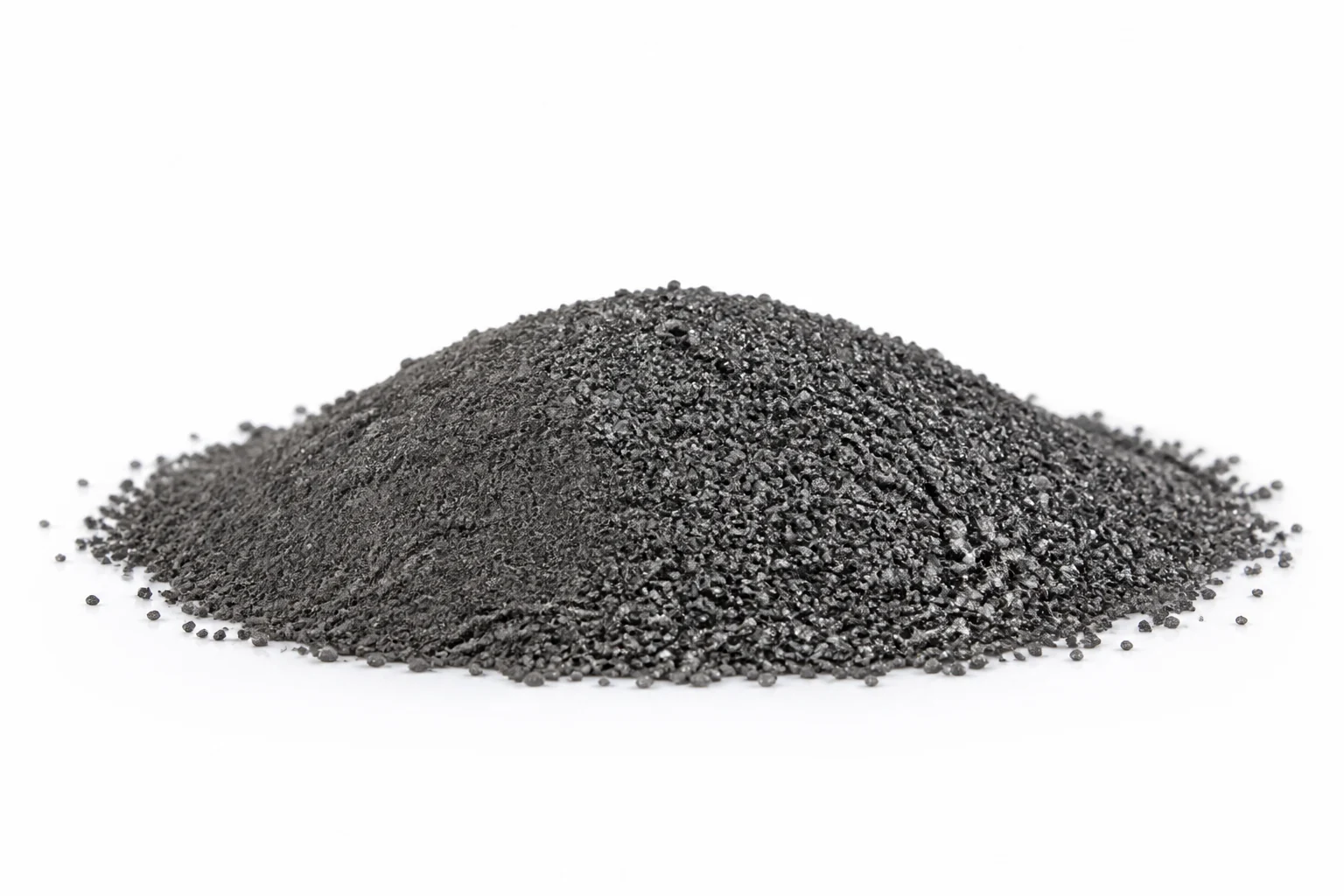
Aliases: Ferrosilicon antioxidant powder for refractories · Refractory-grade FeSi fine powder
A refractory-application fine-powder family made from composition-confirmed ferrosilicon through controlled crushing, milling, classification, homogenisation, sampling and moisture-protected packing. It may serve as an antioxidant addition in validated carbon-containing refractory formulations such as MgO-C. Chemistry, sizing, surface condition and use require a formal TDS, powder SDS/PSI, lot COA and finished-product trials.
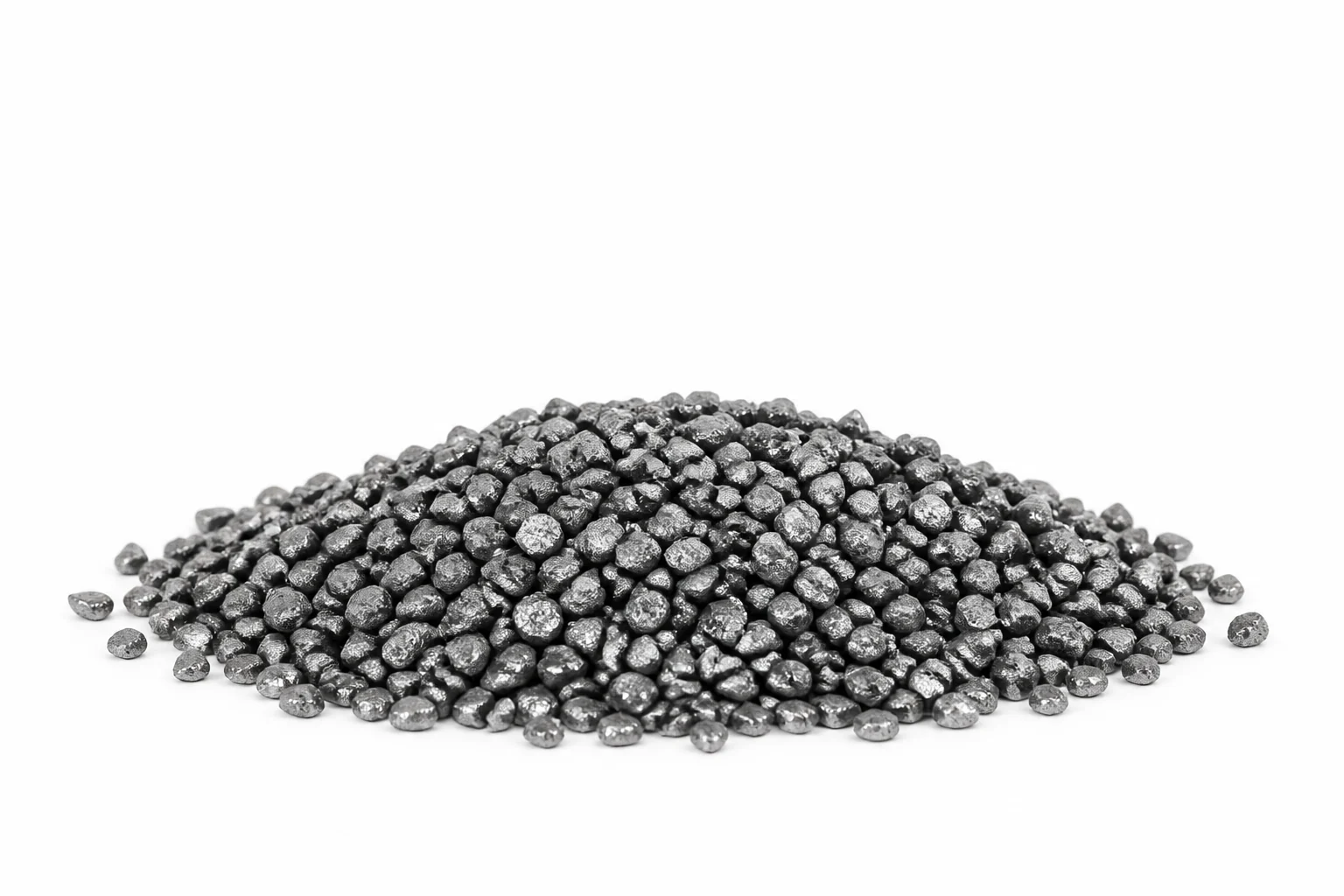
Aliases: RBSiC / SiSiC silicon-infiltration feed · Silicon feed for reaction-bonded silicon carbide
An industrial-silicon application family for RBSiC / SiSiC reaction bonding or silicon infiltration. Confirmed sizing, fines, Fe/Al/Ca and application-specific residuals, melting and infiltration behaviour must match the porous SiC-C body. This page is neither a separate chemical grade nor a stock claim.
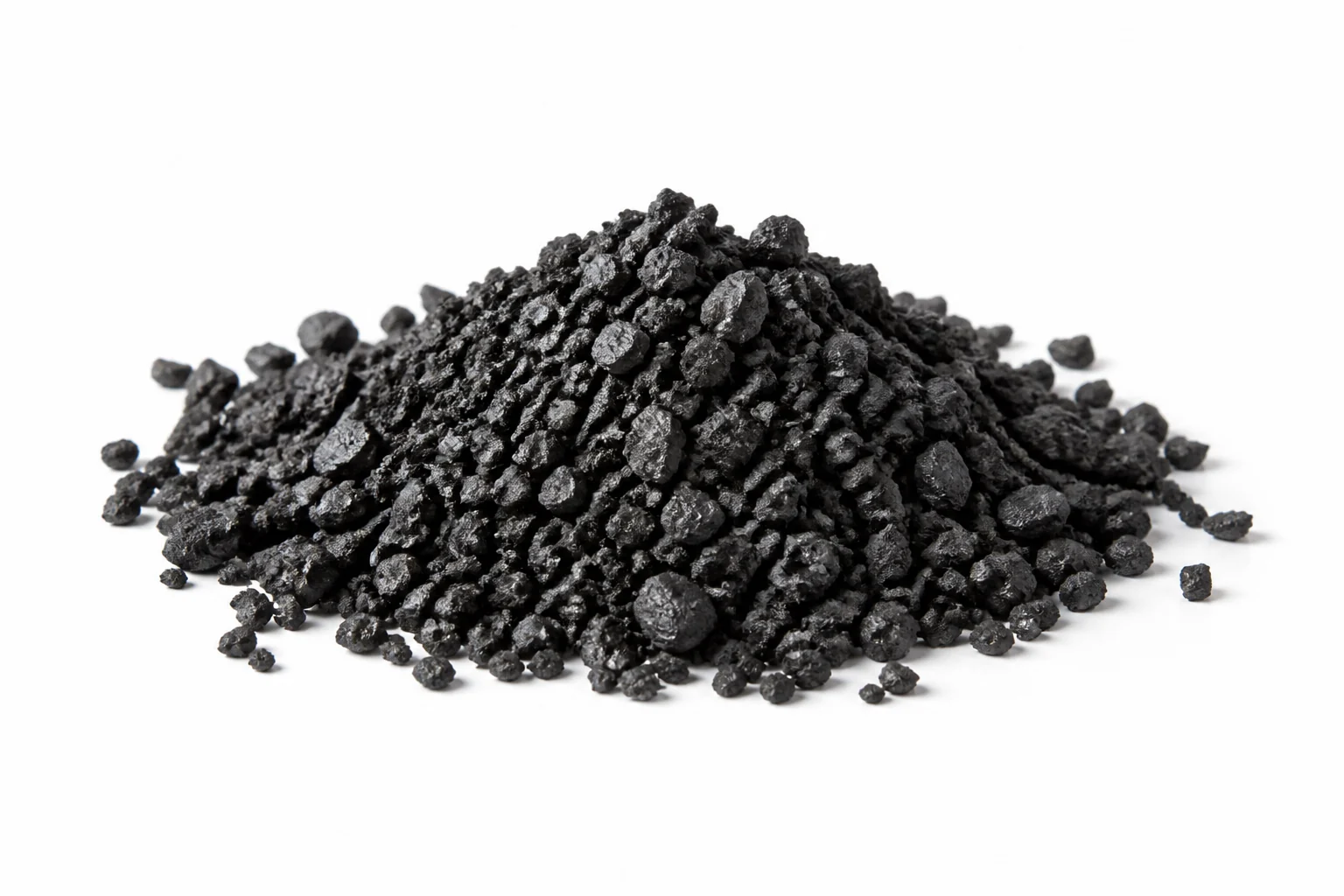
Used to adjust carbon in steel or iron; selection must reflect feedstock, furnace, absorption conditions and limits on sulfur, nitrogen and ash.
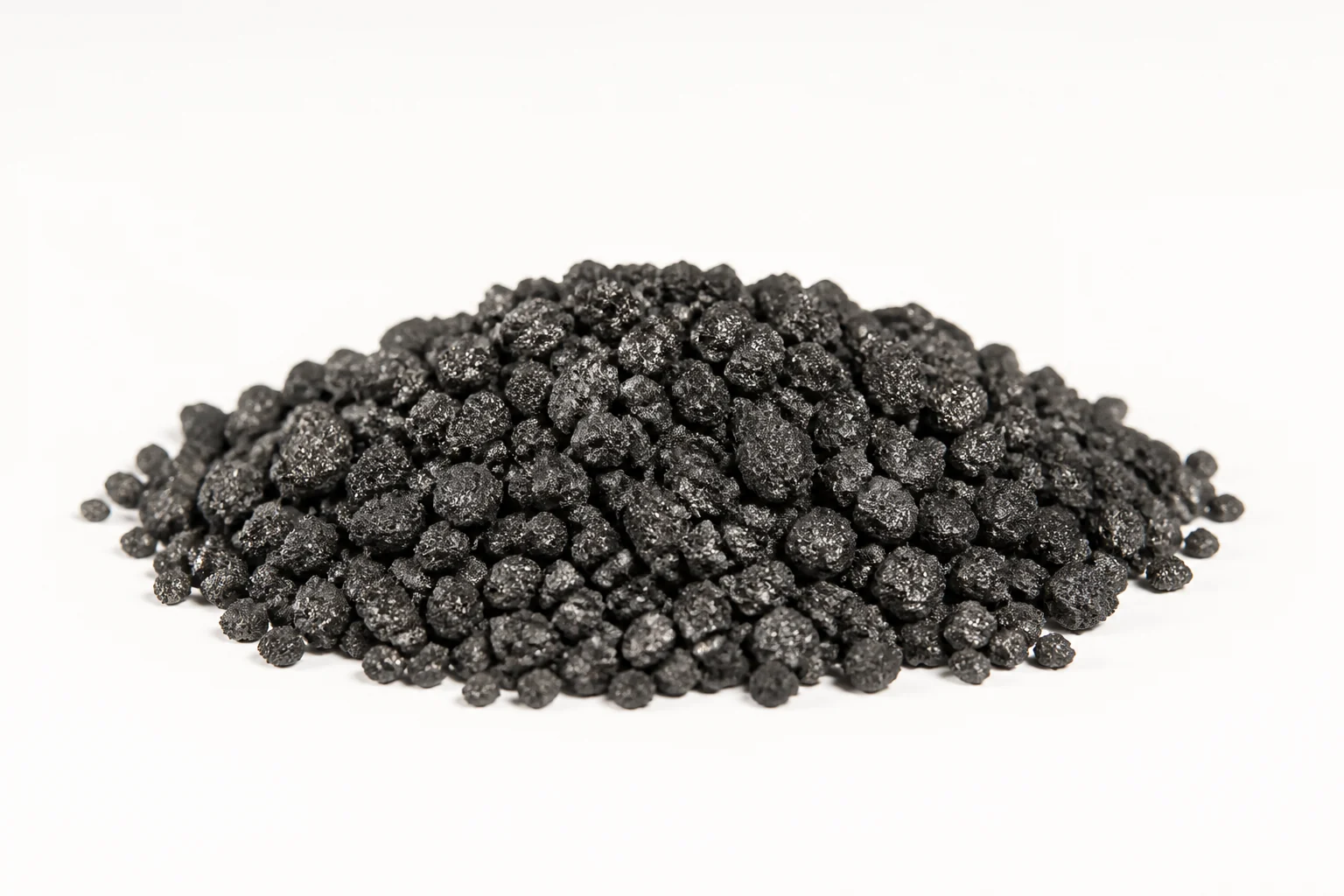
Aliases: Graphitized carbon raiser · GPC recarburizer (acronym must be disambiguated) · Artificial / synthetic graphite recarburizer (broad market alias)
This page explains the product's principal composition, application directions and inquiry points; confirm the grade, guaranteed indicators, sizing, packing and process fit before quotation.
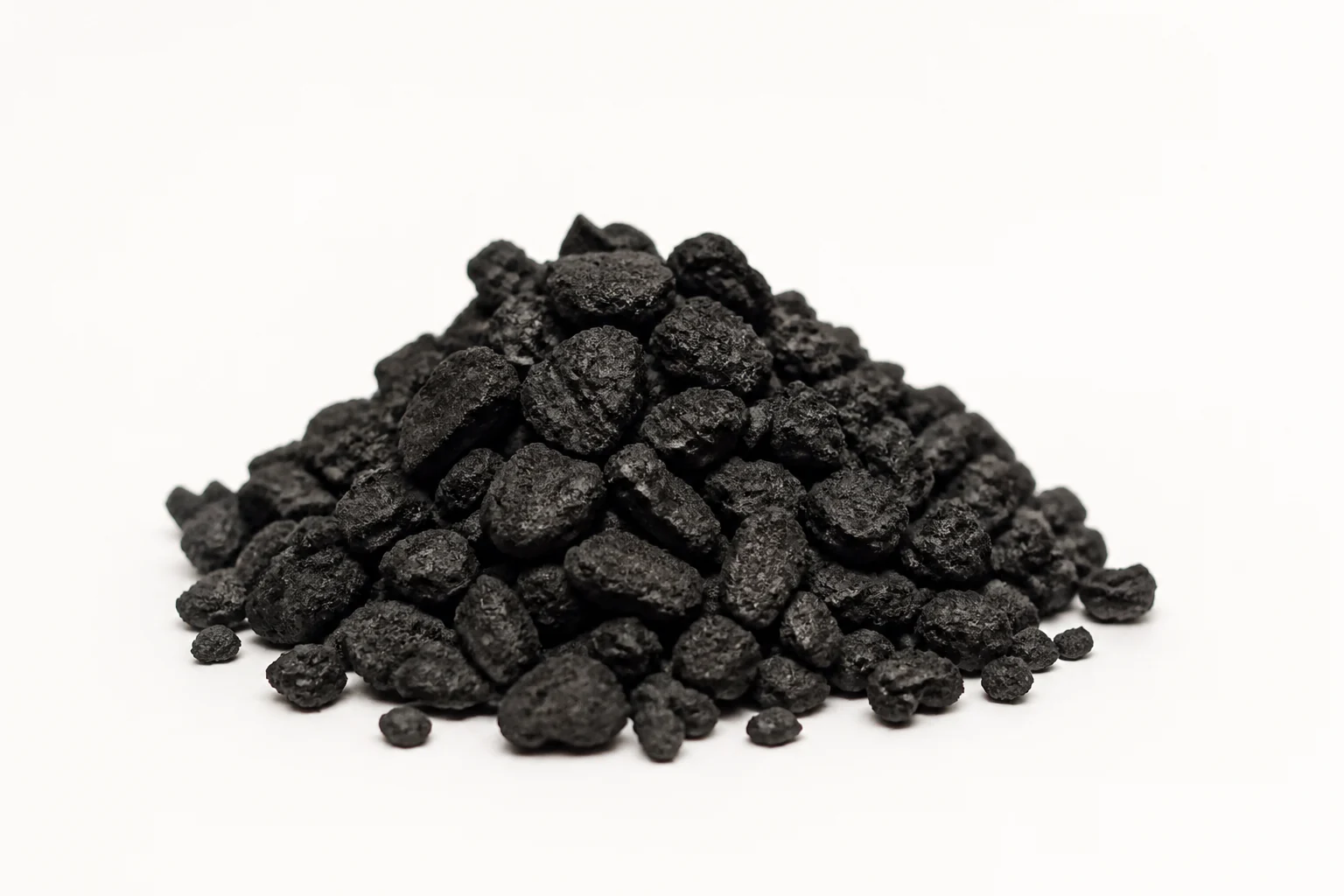
Aliases: CPC recarburizer · Calcined-petcoke carbon raiser
This page explains the product's principal composition, application directions and inquiry points; confirm the grade, guaranteed indicators, sizing, packing and process fit before quotation.
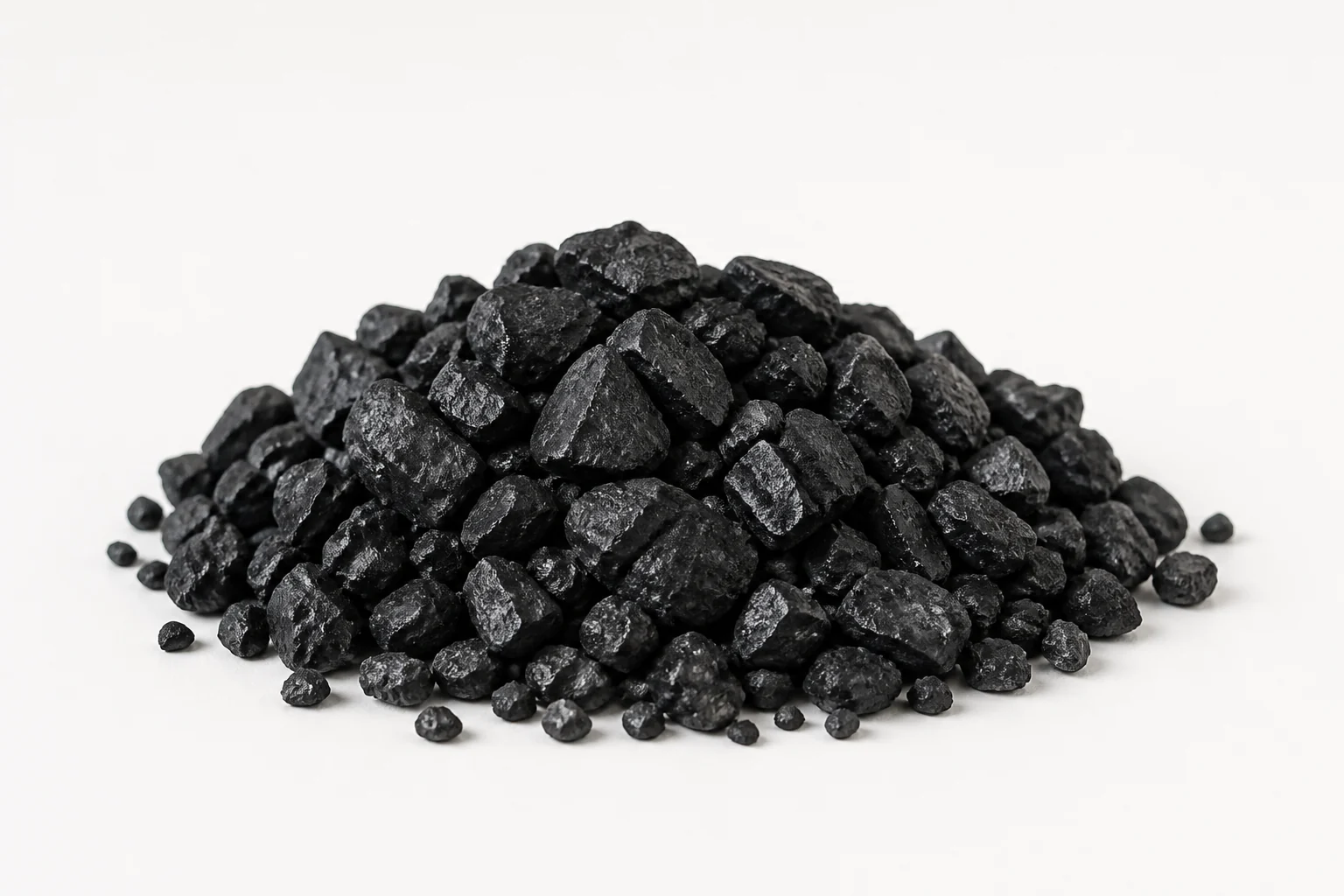
Aliases: Gas-calcined anthracite recarburizer · Electrically calcined anthracite recarburizer
This page explains the product's principal composition, application directions and inquiry points; confirm the grade, guaranteed indicators, sizing, packing and process fit before quotation.
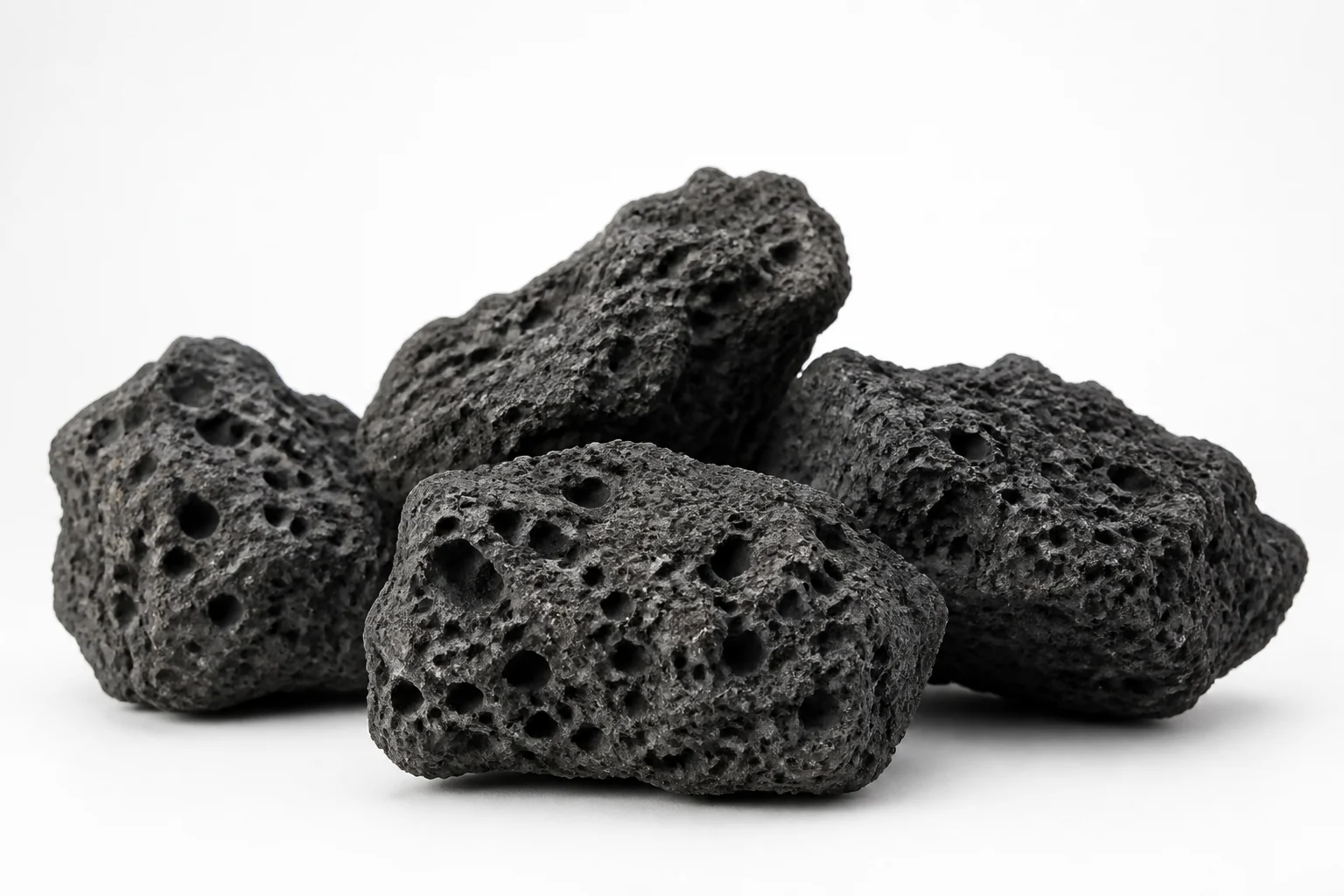
Aliases: Foundry coke · Cupola coke
This page explains the product's principal composition, application directions and inquiry points; confirm the grade, guaranteed indicators, sizing, packing and process fit before quotation.
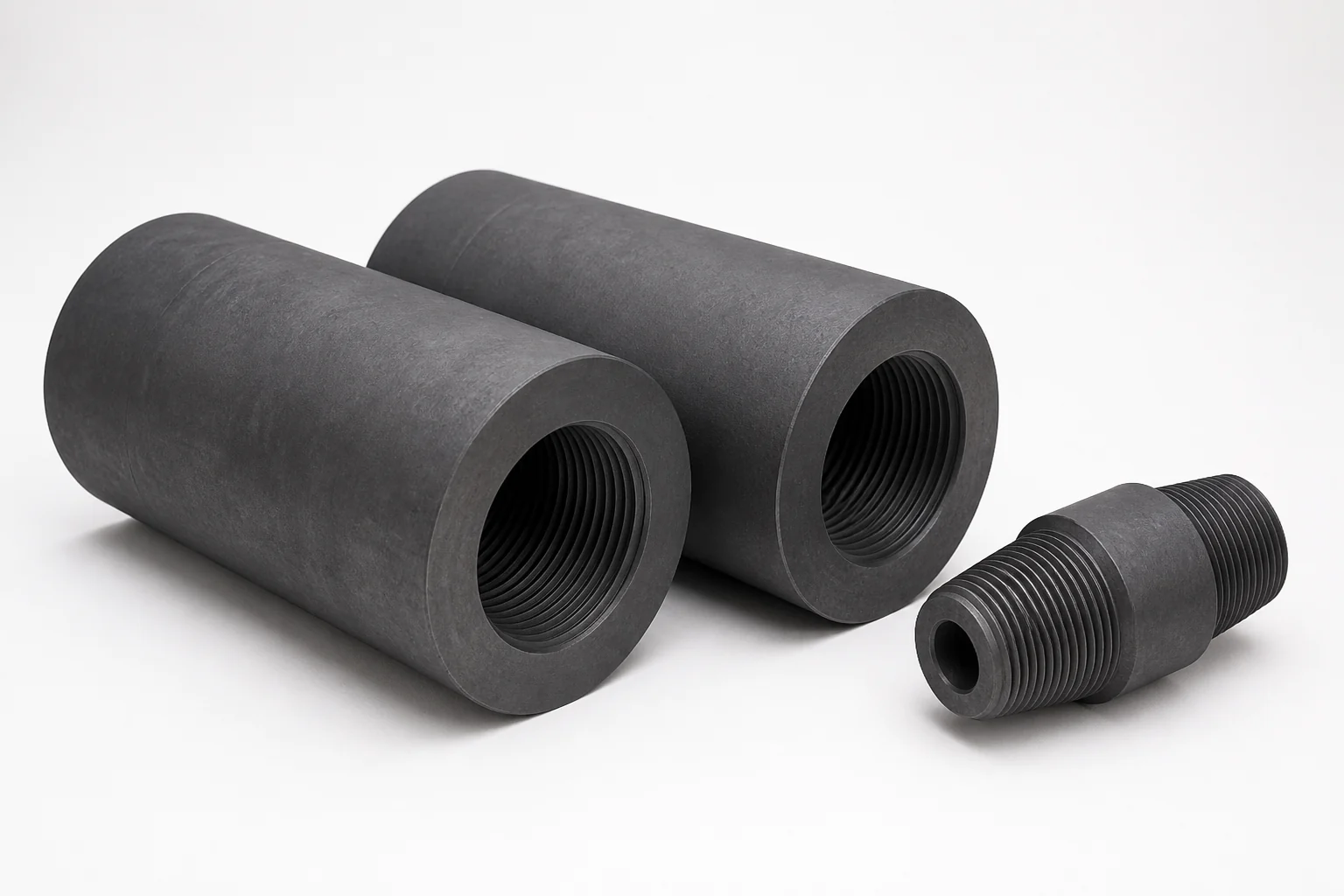
Aliases: EAF graphite electrode · LF graphite electrode · RP / HP / UHP graphite electrode
This page explains the product's principal composition, application directions and inquiry points; confirm the grade, guaranteed indicators, sizing, packing and process fit before quotation.
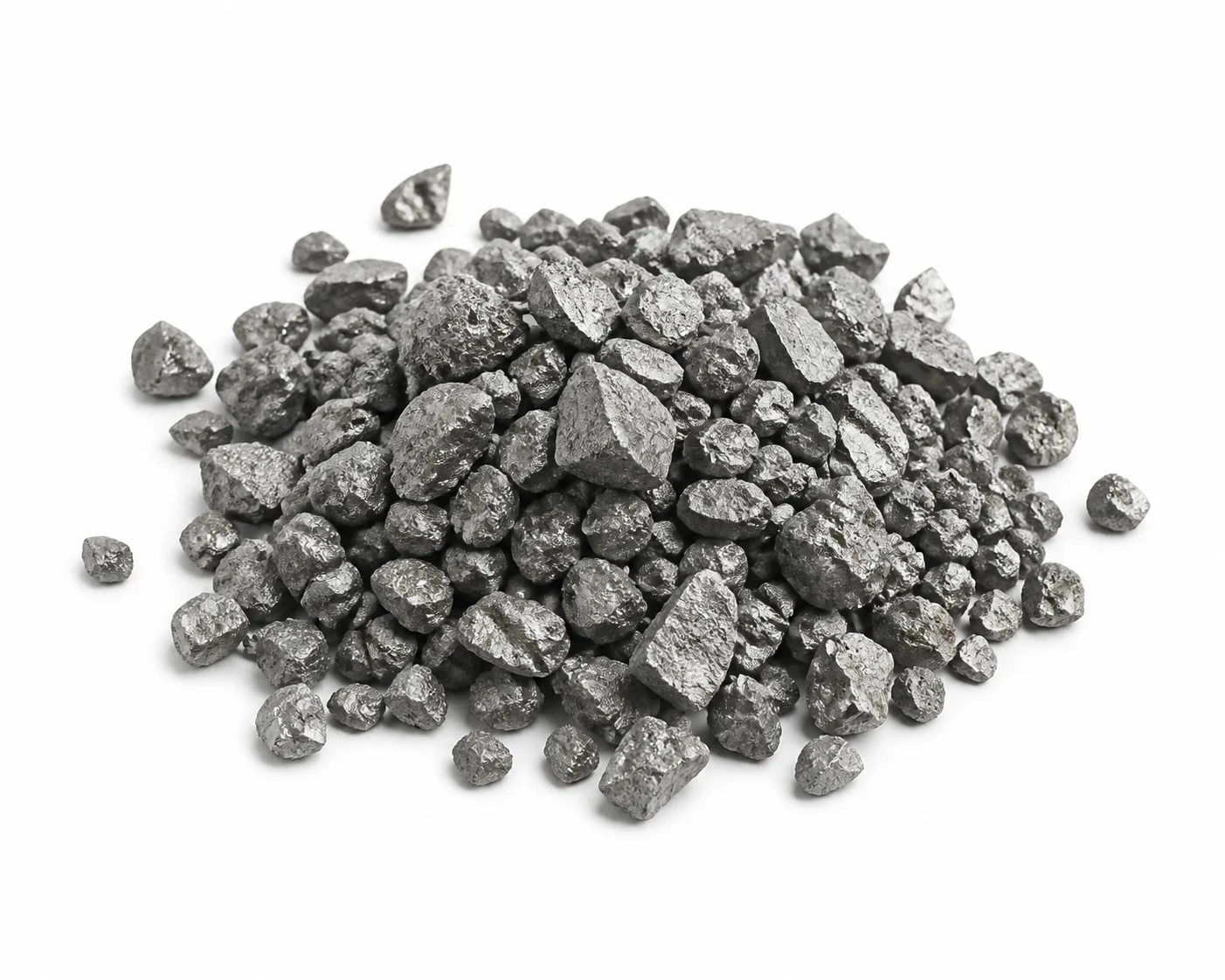
This page explains the product's principal composition, application directions and inquiry points; confirm the grade, guaranteed indicators, sizing, packing and process fit before quotation.
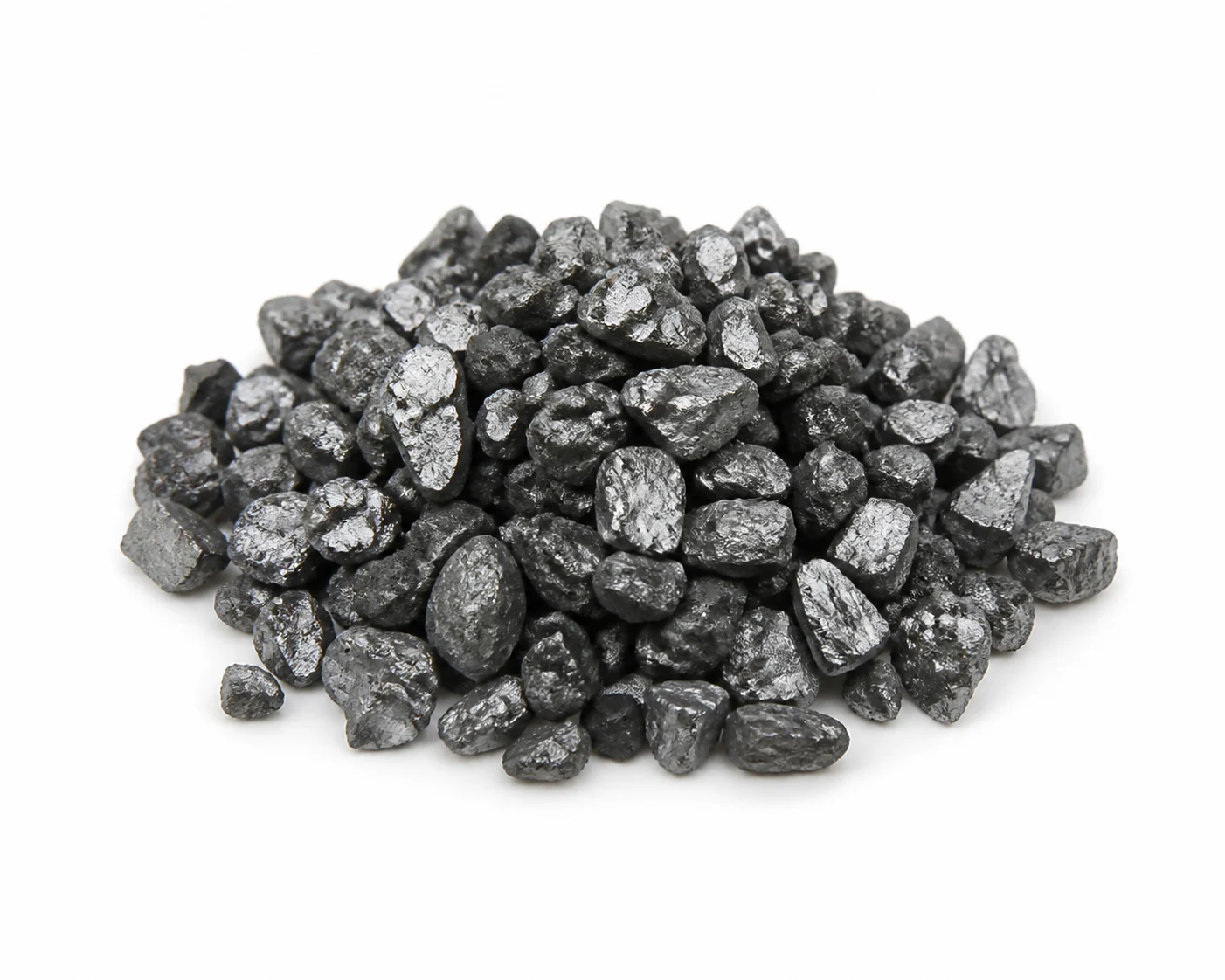
A magnesium treatment alloy for ductile iron; grade, size and quantity depend on base-iron S/O, temperature, treatment ladle and target residual Mg.
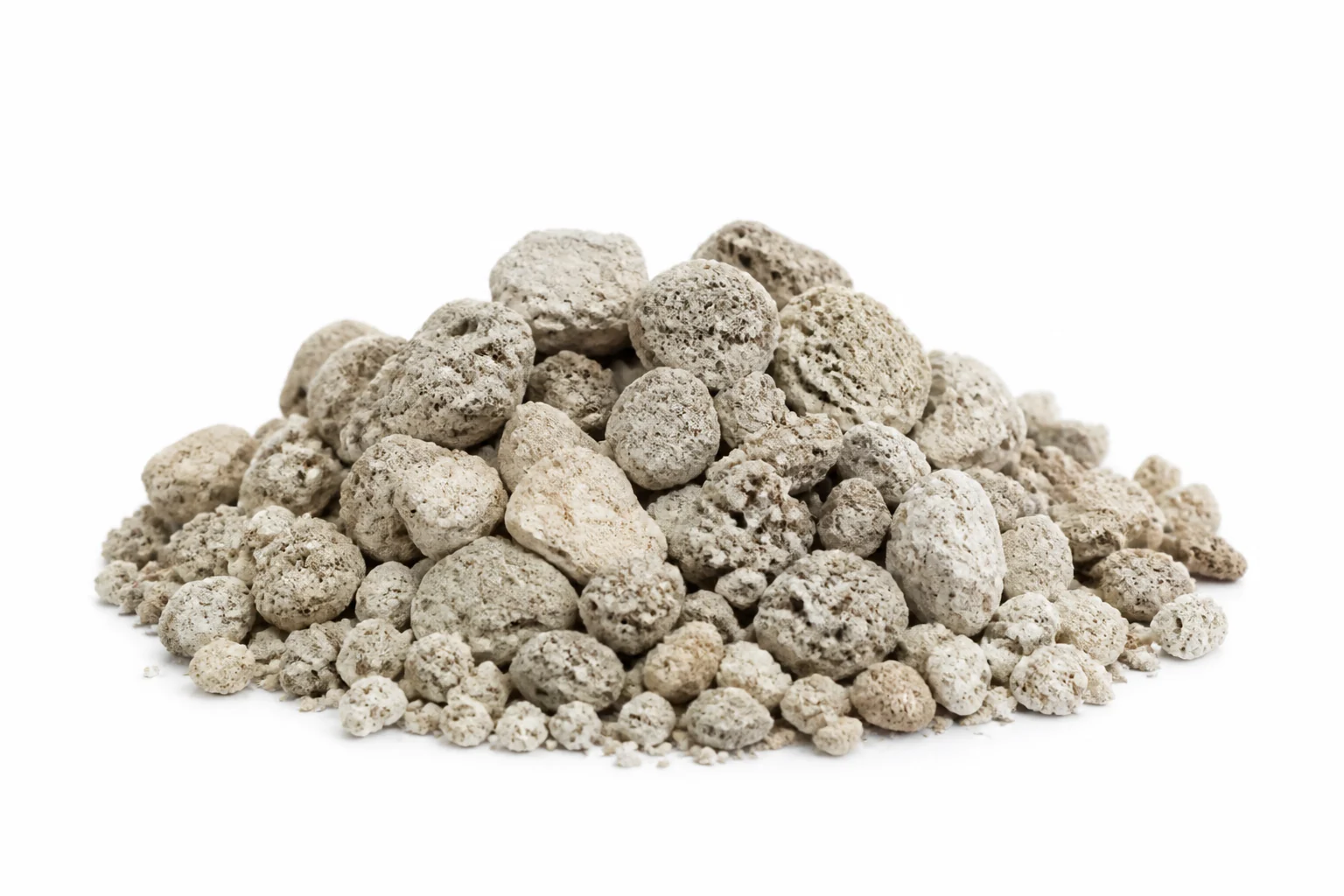
Used at tapping or in LF practice to rapidly form or adjust a refining slag for desulfurisation, inclusion absorption, coverage and stable refining.
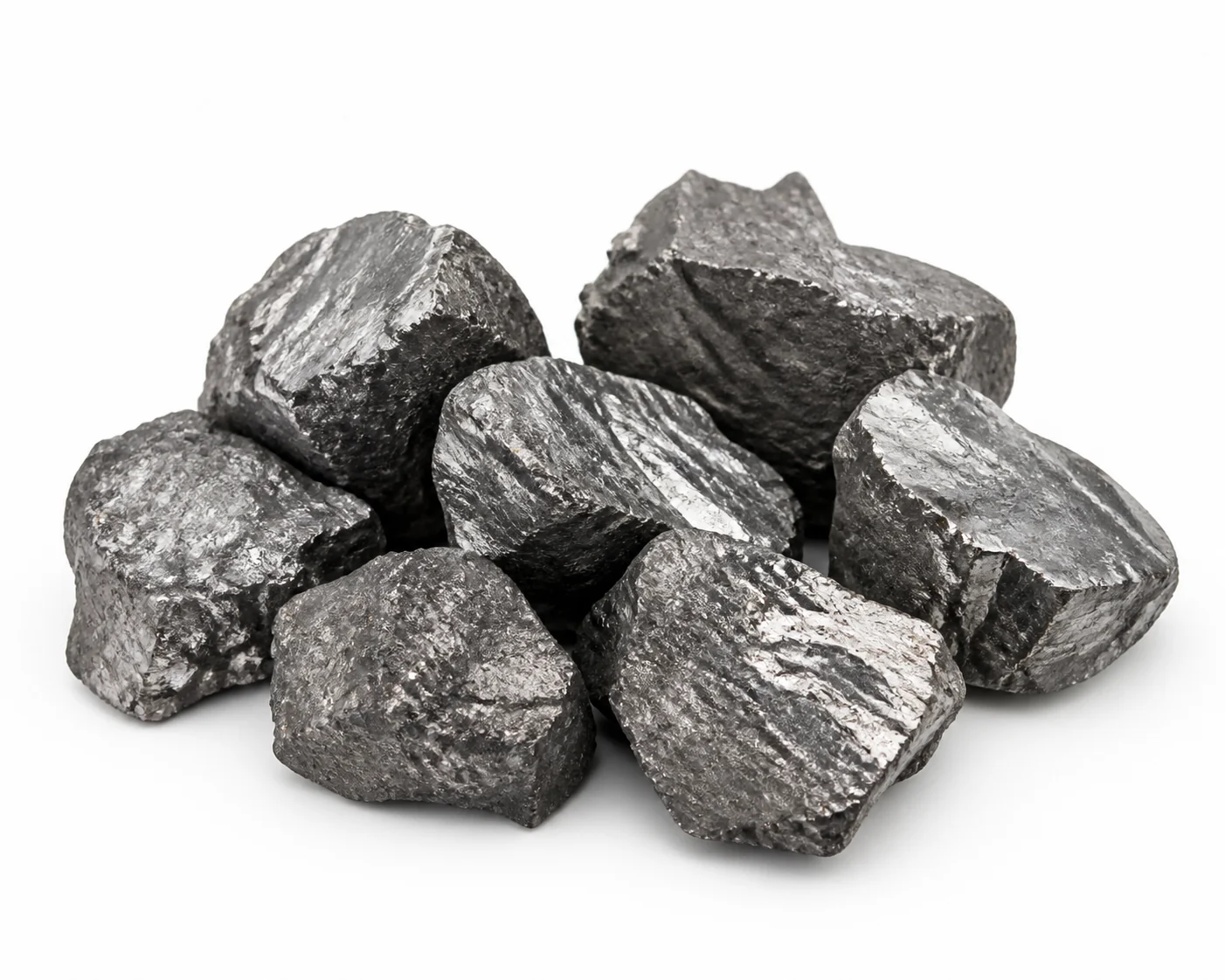
Used to adjust manganese in steelmaking, steel foundries and iron foundries, with a supporting deoxidation role in suitable practices.
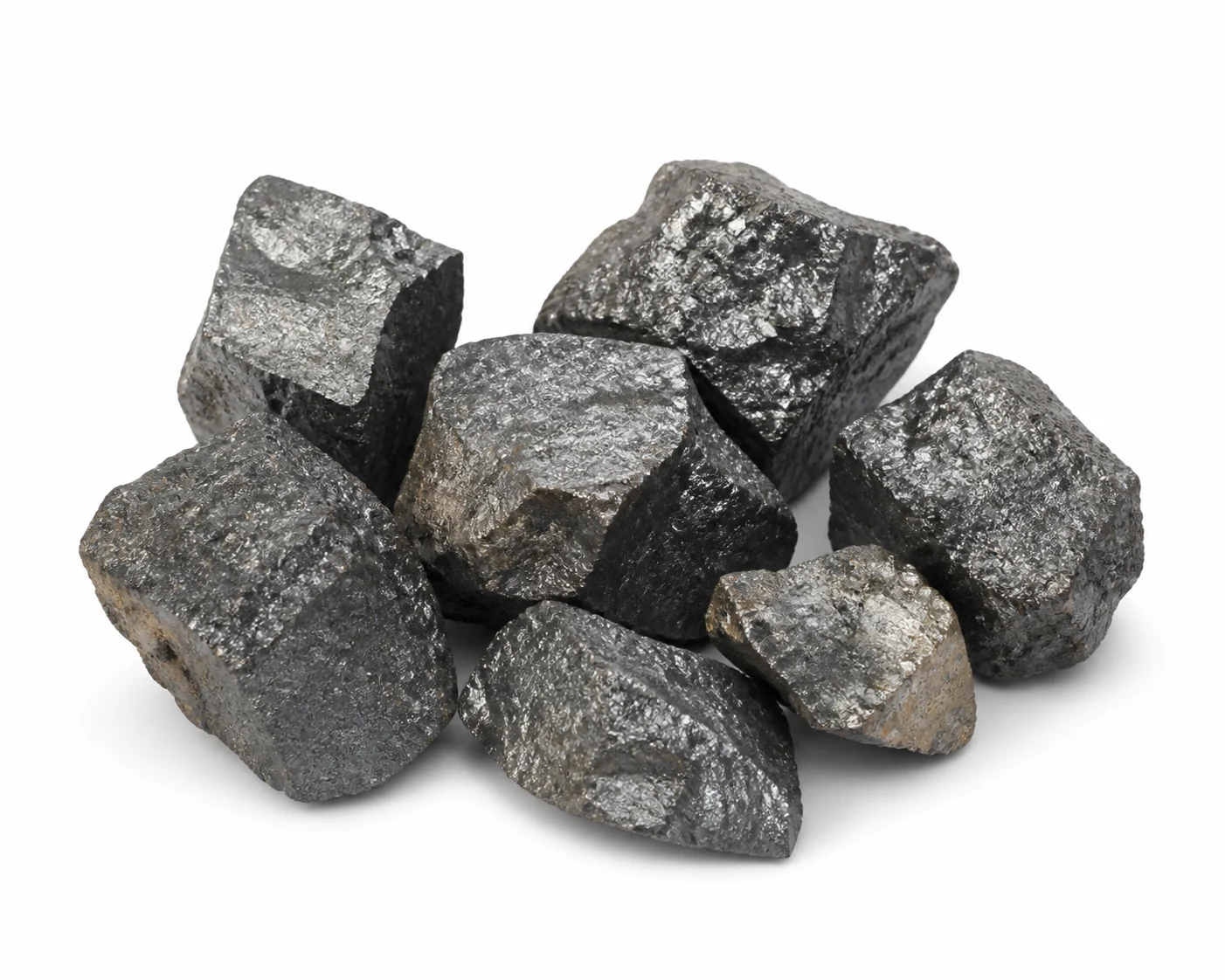
Used for combined deoxidation and Mn/Si adjustment in steelmaking and steel foundries, and for cast-iron melt correction without replacing inoculation.
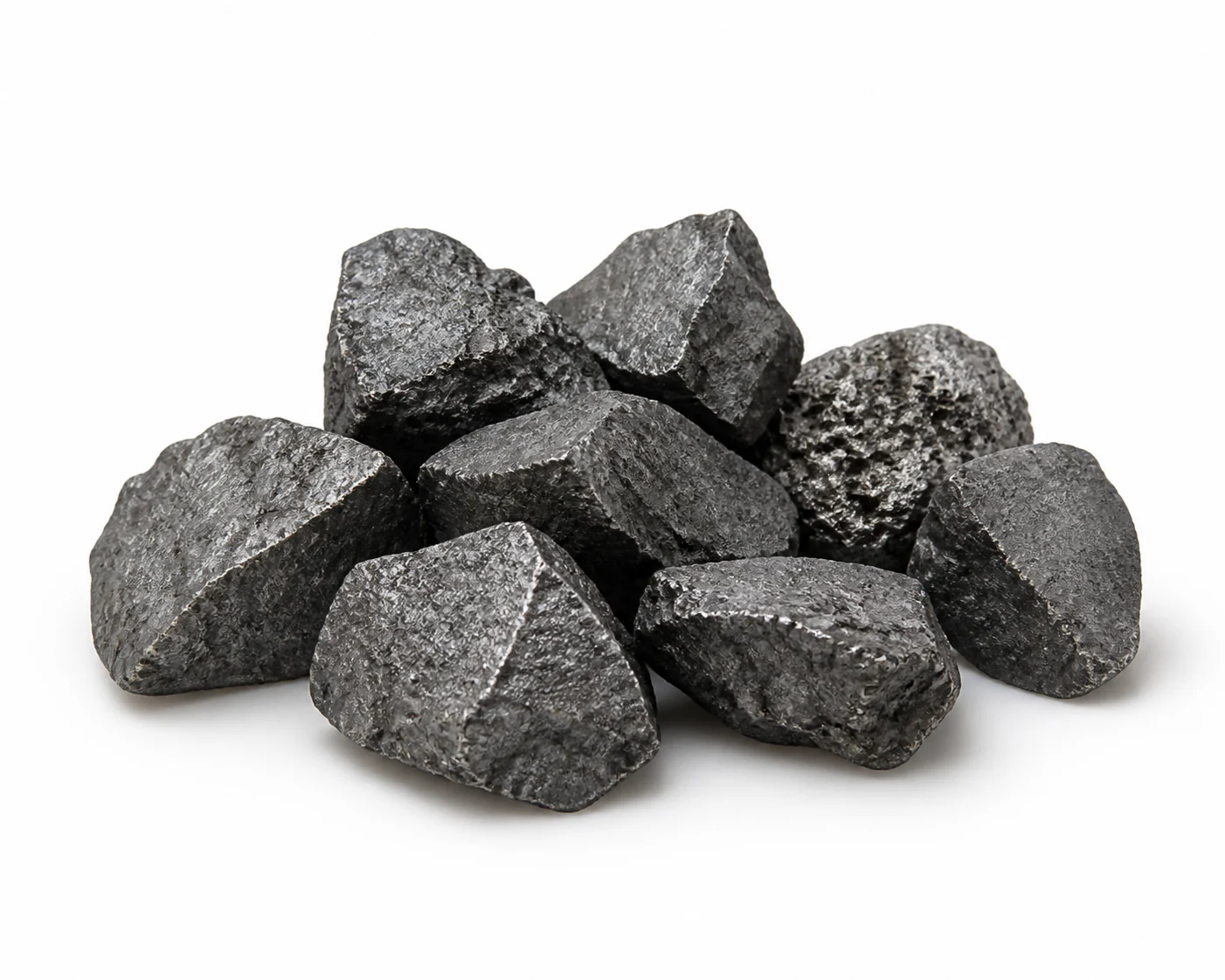
Chromium alloying for stainless/alloy steels, cast steel and wear-resistant alloyed iron; the carbon grade determines the addition route.
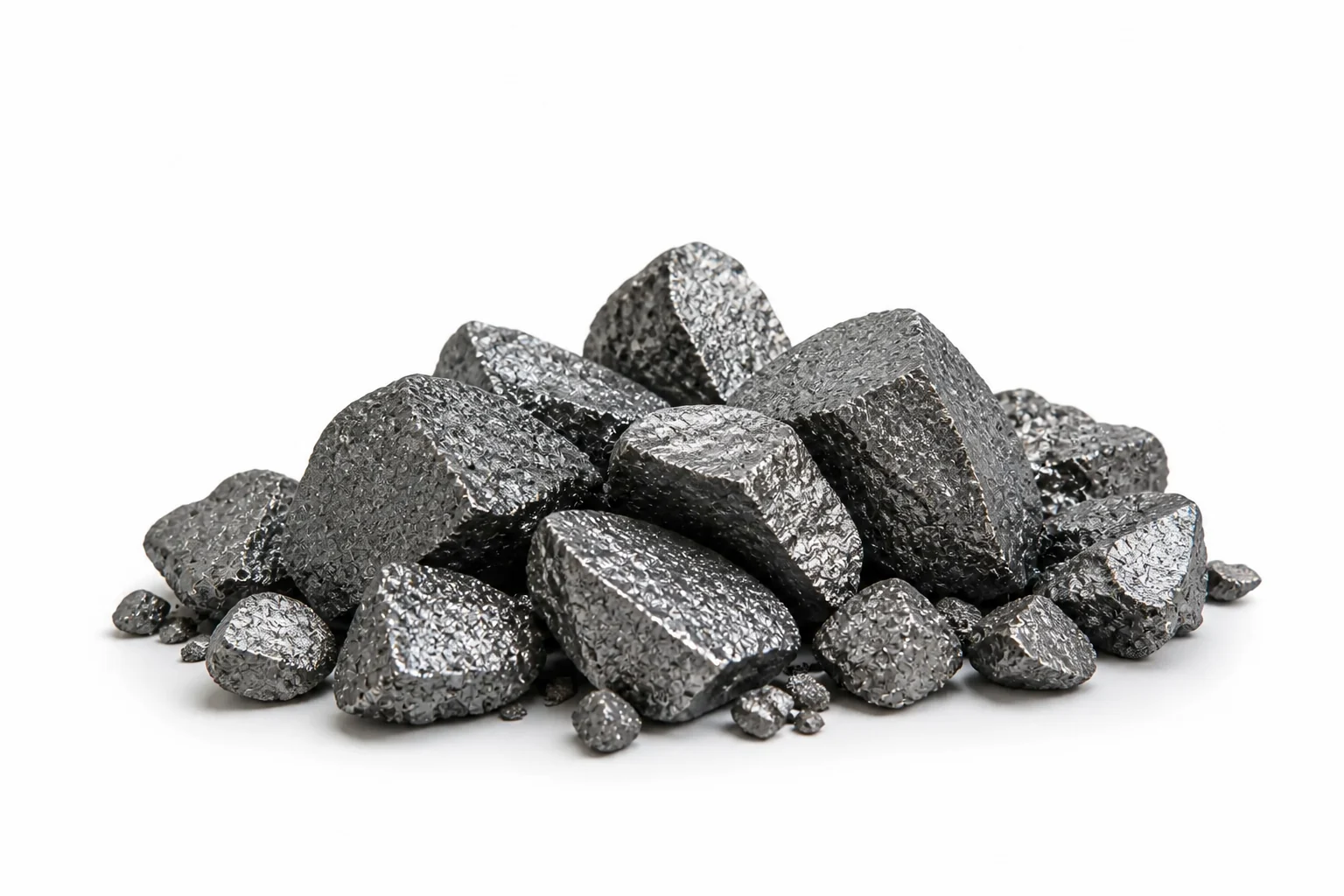
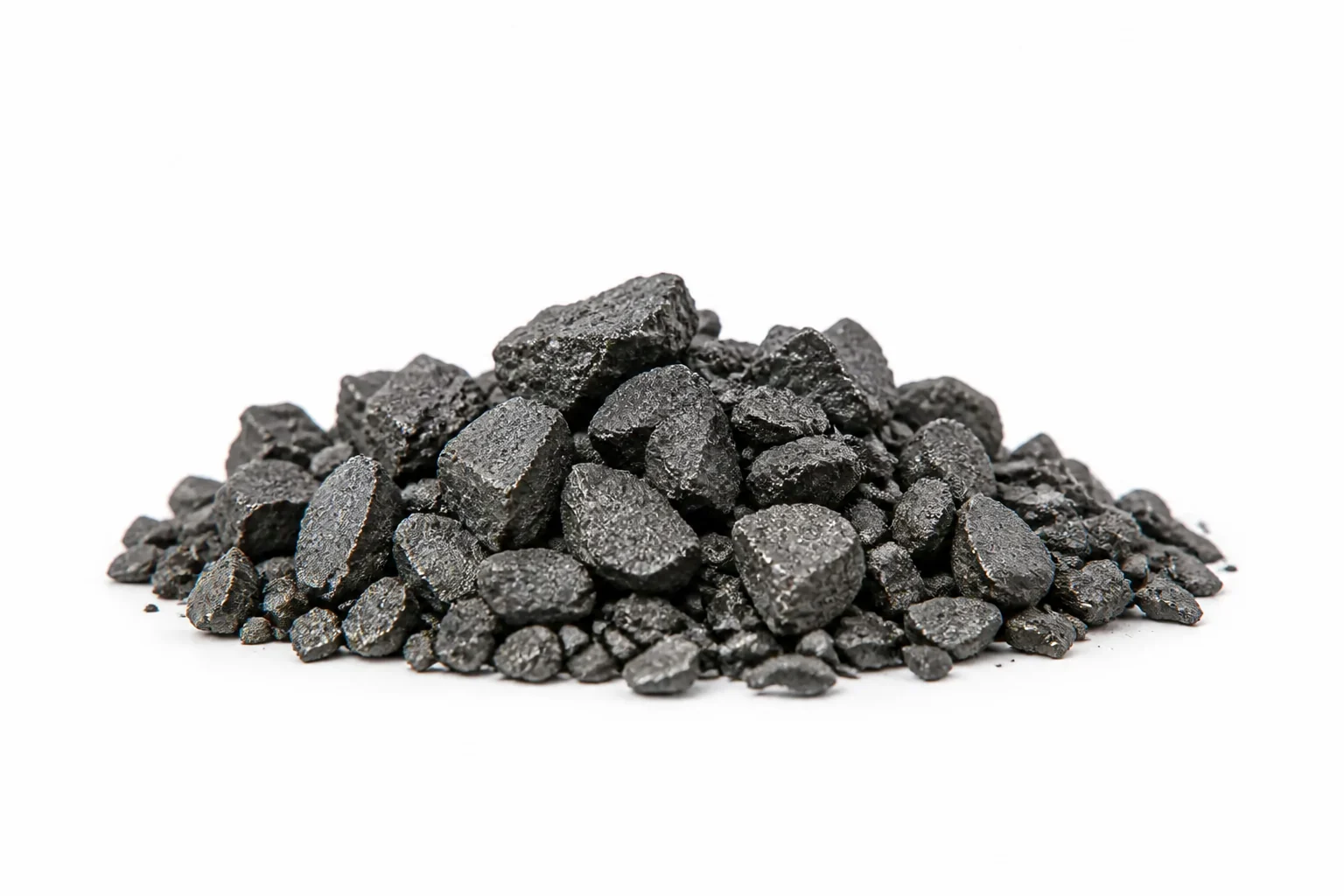
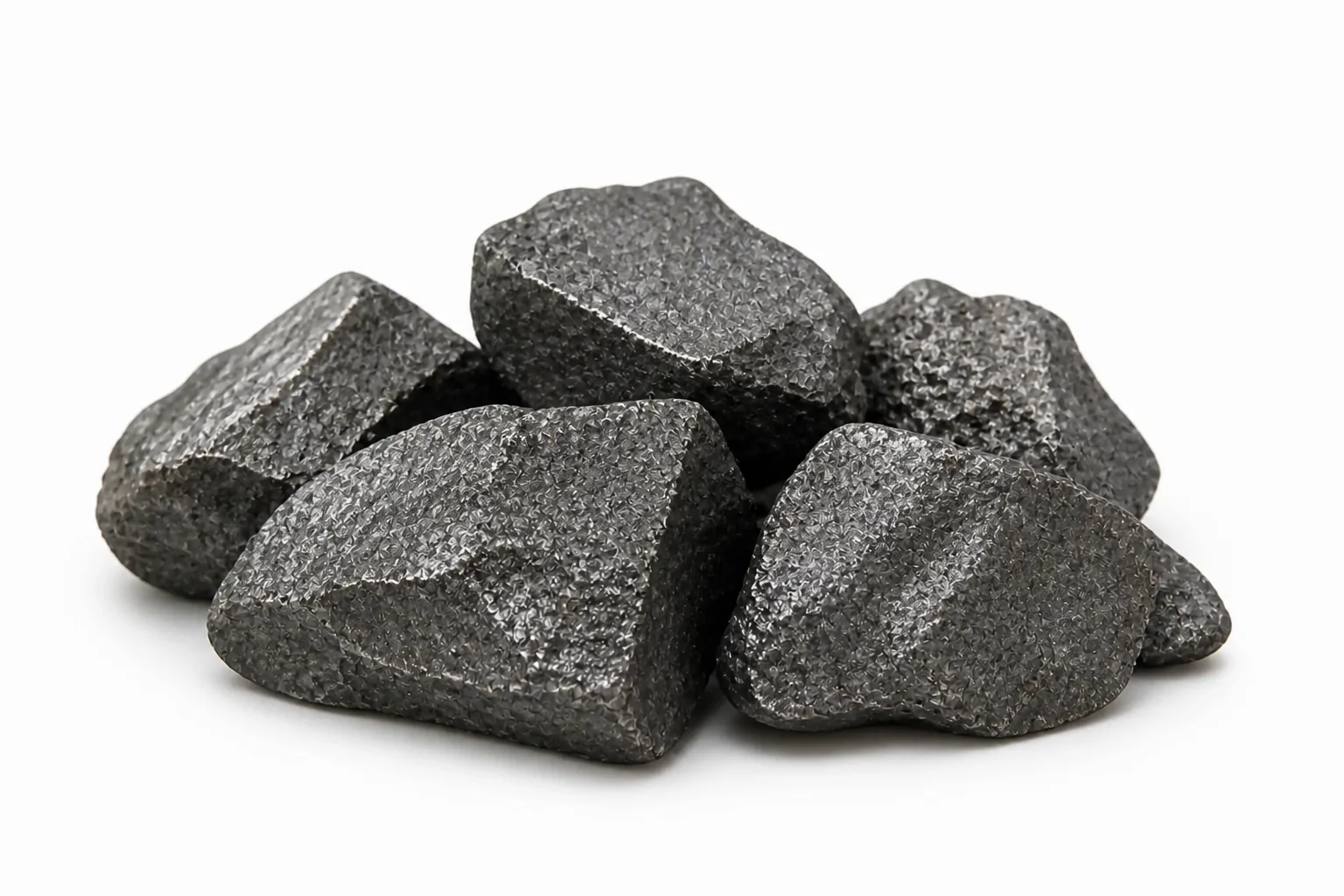
A high-nitrogen-ferrochrome family bounded by YB/T 4135—2016 for use as a nitrogen and chromium addition in steelmaking and casting. Target Cr/N, carbon and impurity budgets, melting conditions, and the company's actual grade, chemistry and form all require a formal SKU/TDS and process review.
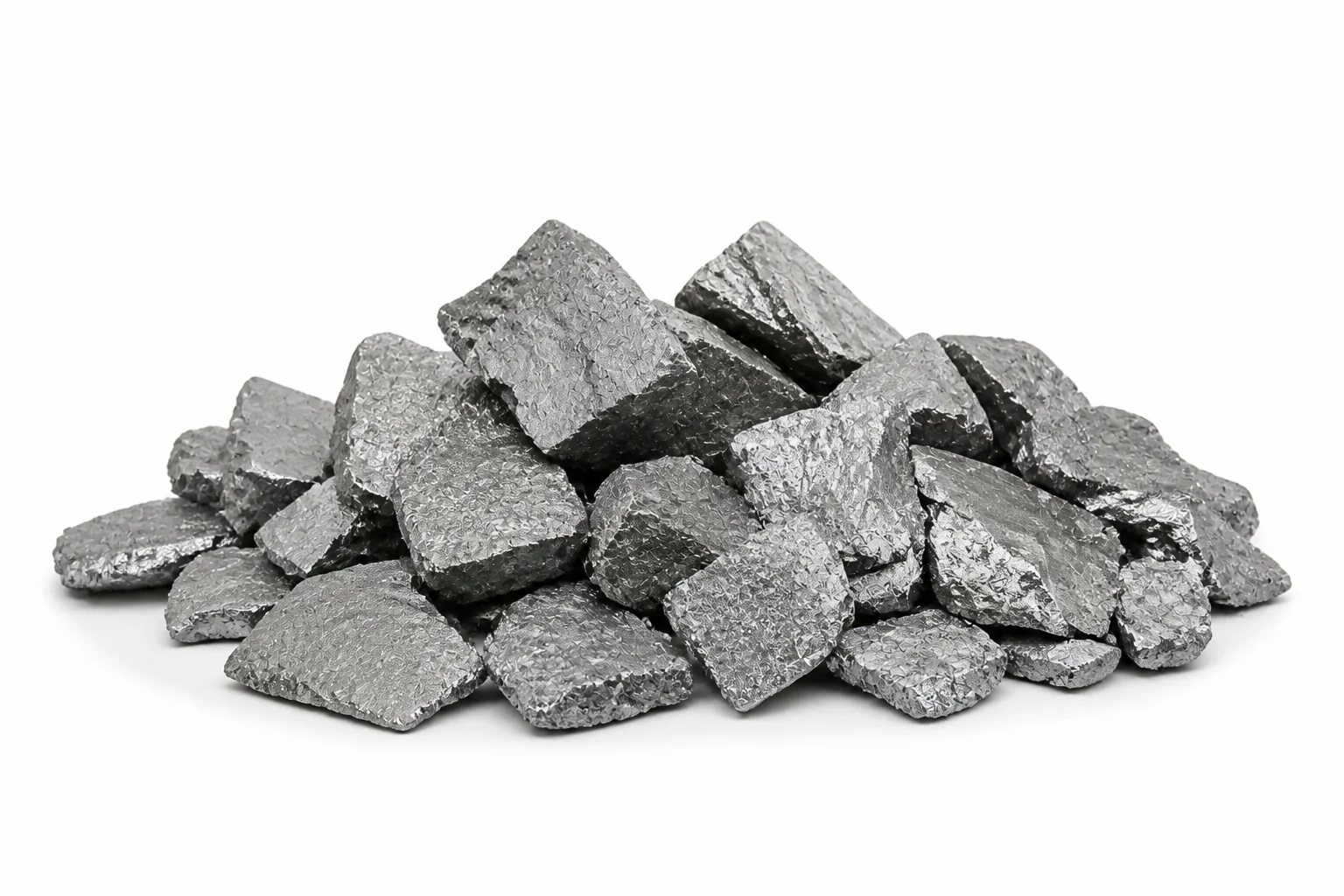
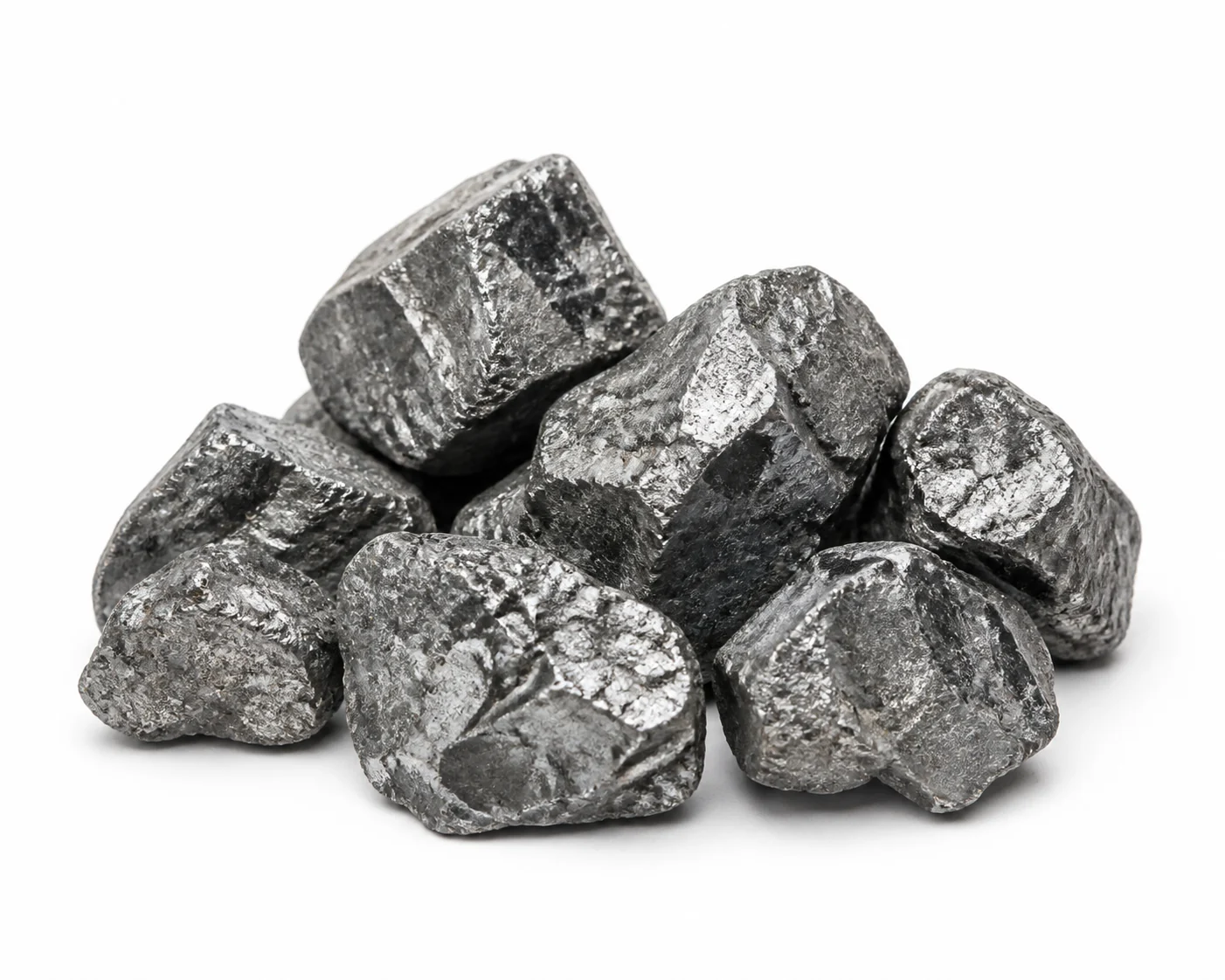
Molybdenum alloying for alloy steel, cast steel and alloyed cast iron to support hardenability, high-temperature strength and wear performance.
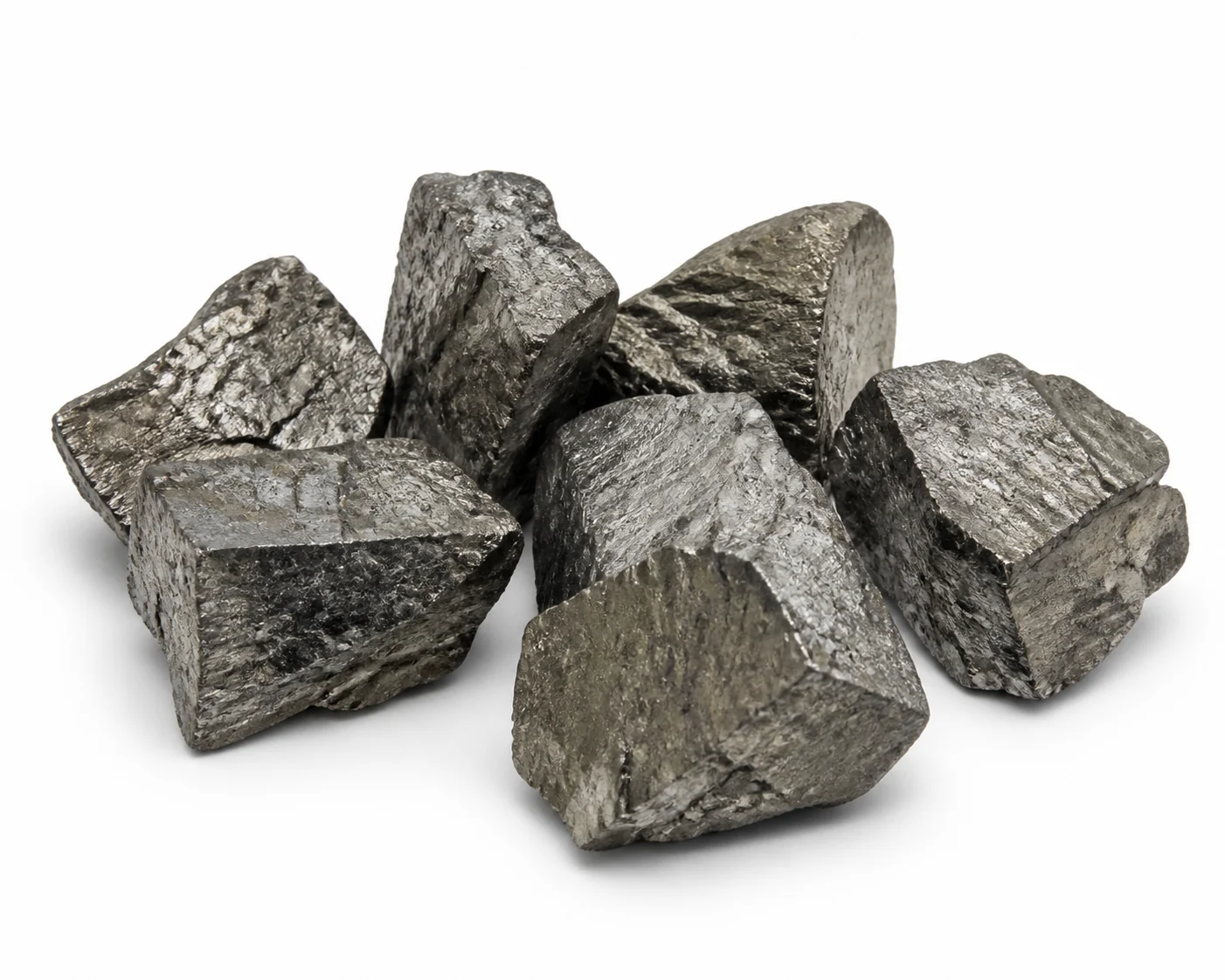
Vanadium microalloying for HSLA, tool steels and wear-resistant cast steel; final performance depends on chemistry, rolling, cooling and heat treatment.
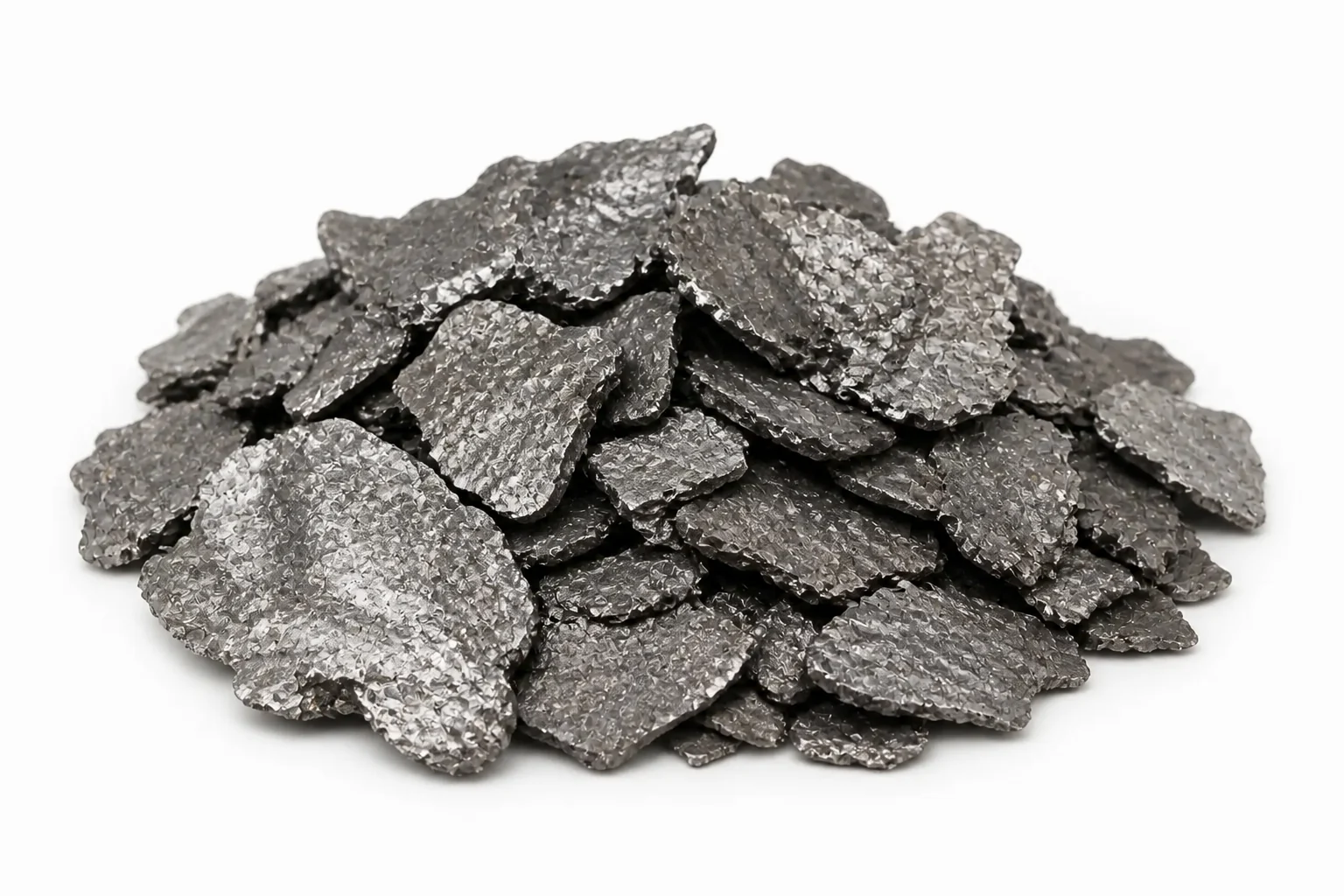
Manganese metal may be used as a manganese addition for steel and suitable non-ferrous alloys after chemistry, form and impurity limits are confirmed.
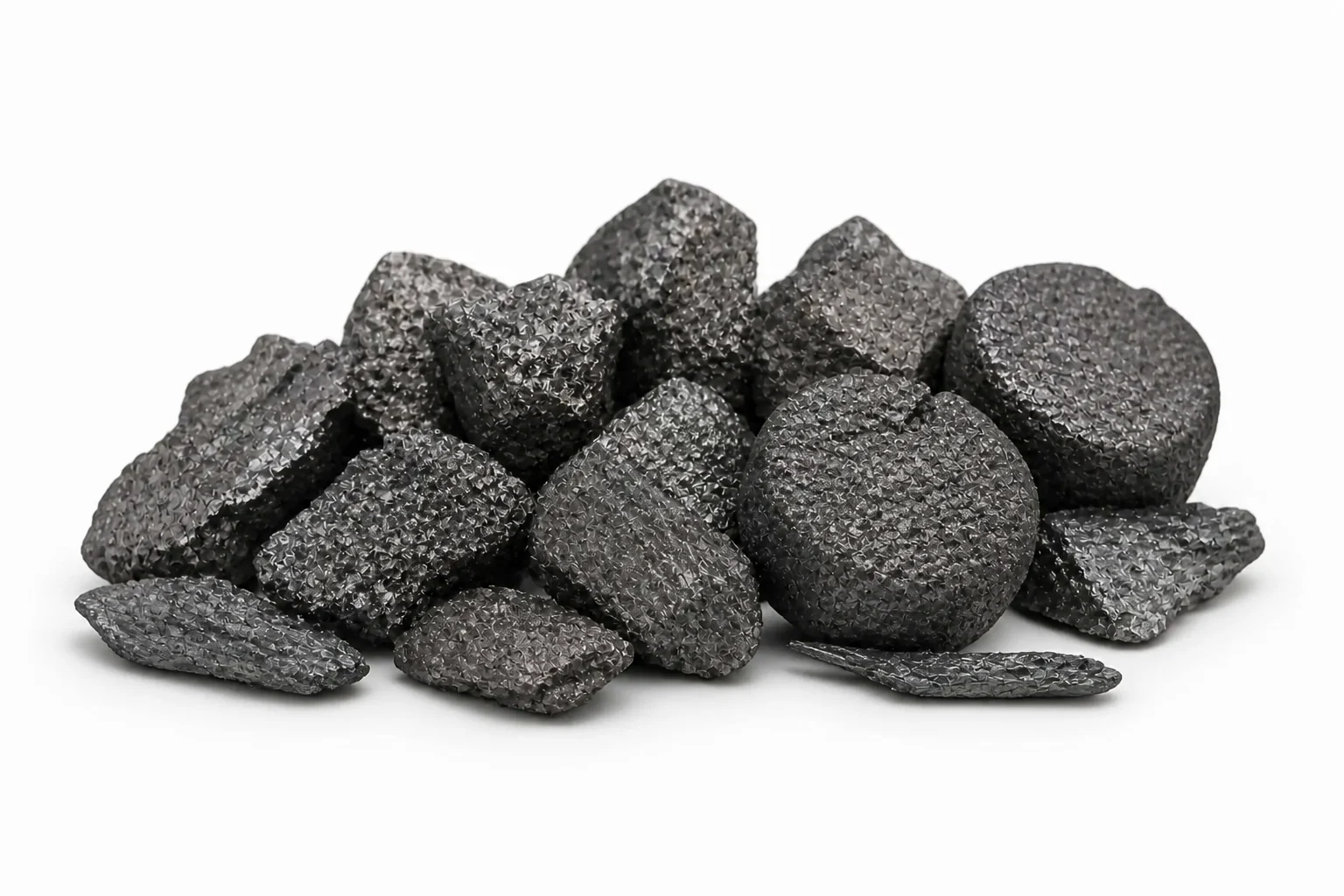
This page explains the product's principal composition, application directions and inquiry points; confirm the grade, guaranteed indicators, sizing, packing and process fit before quotation.
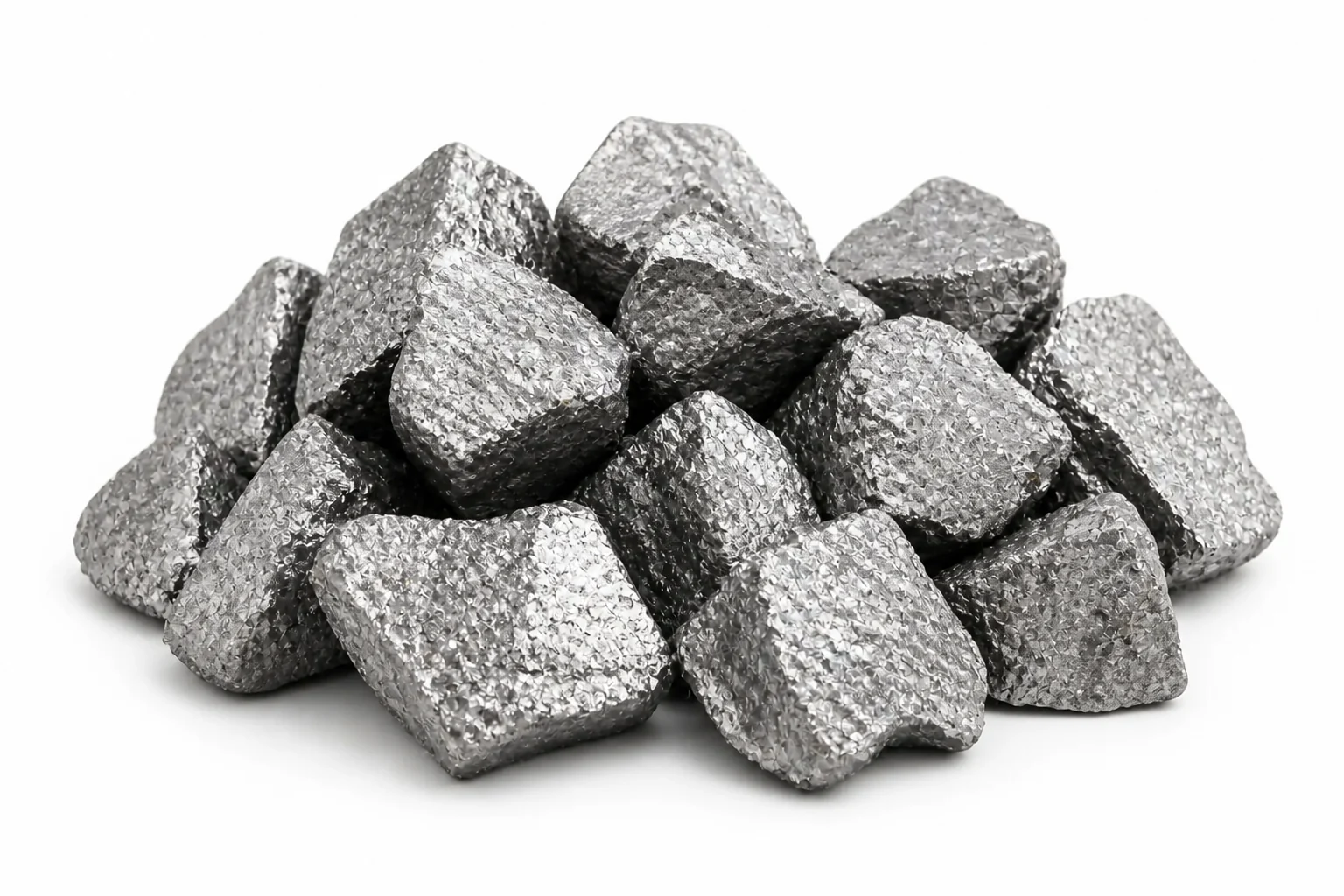
An aluminium-manganese ferroalloy family covered by YB/T 6143—2023 and produced by electric-furnace remelting.
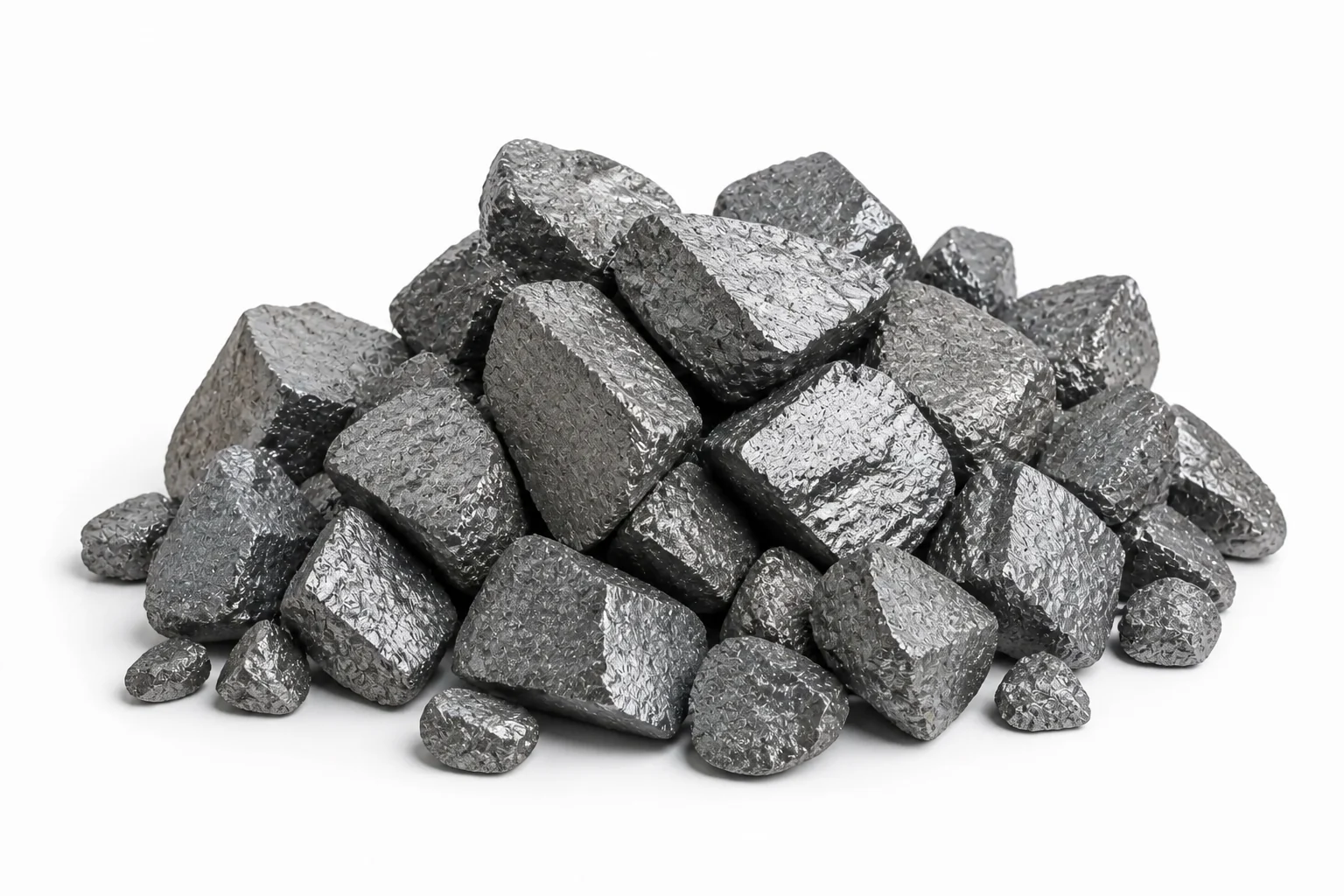
Aliases: Silicon-manganese-aluminium alloy
A manganese-silicon-aluminium alloy family bounded by YB/T 4303—2012. After review of the steel grade and deoxidation practice, it may support combined deoxidation and joint Mn/Si/Al adjustment; actual grades, impurities, sizing and supply capability require the company SKU/TDS and lot COA.
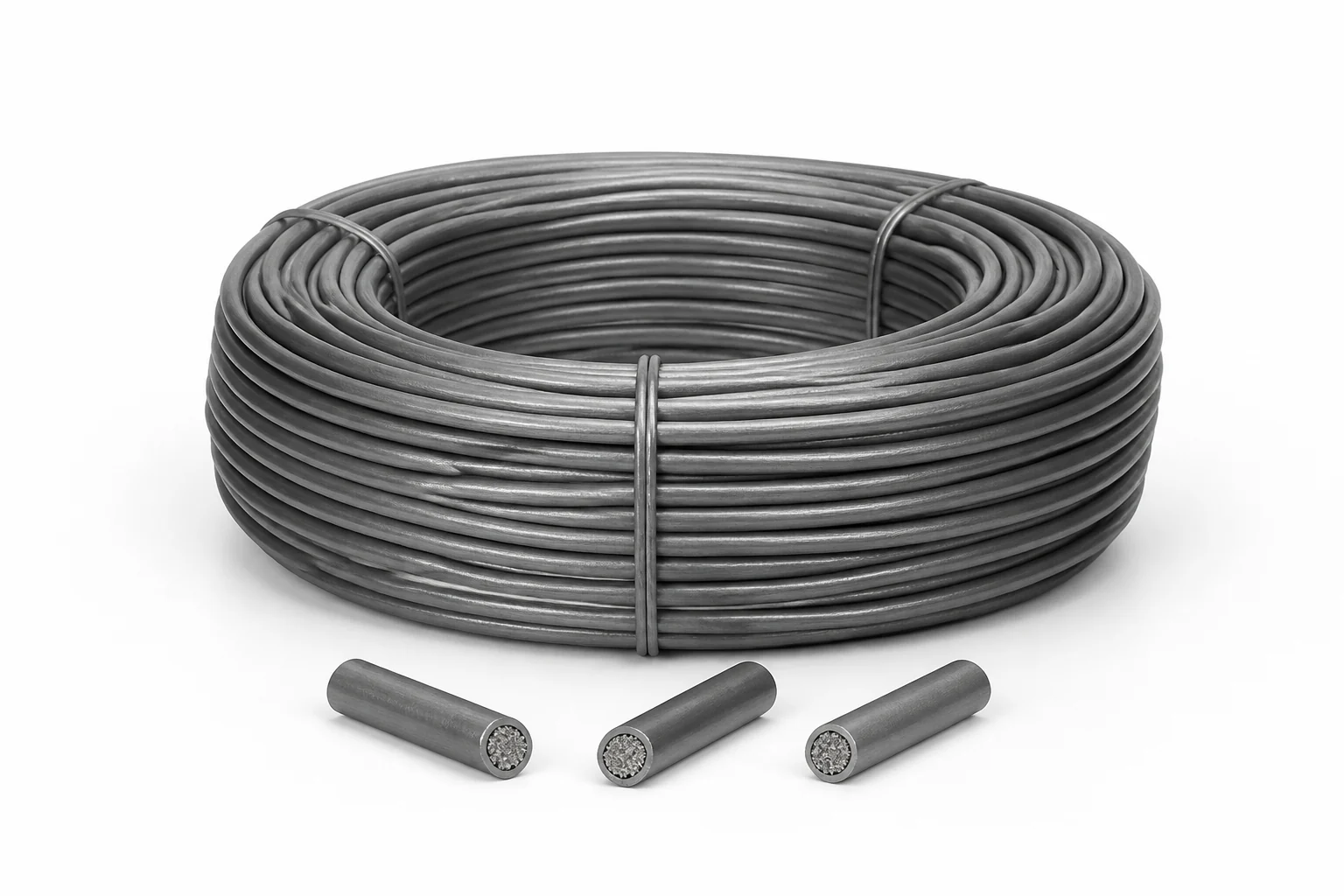
A wire-feeding product with a calcium-silicon alloy core and steel sheath. After review of the steel grade and melt conditions, it may be used for ladle calcium treatment, combined deoxidation and inclusion-shape control; actual Ca/Si, core mass, diameter and calcium recovery require the TDS, lot COA and plant trials.
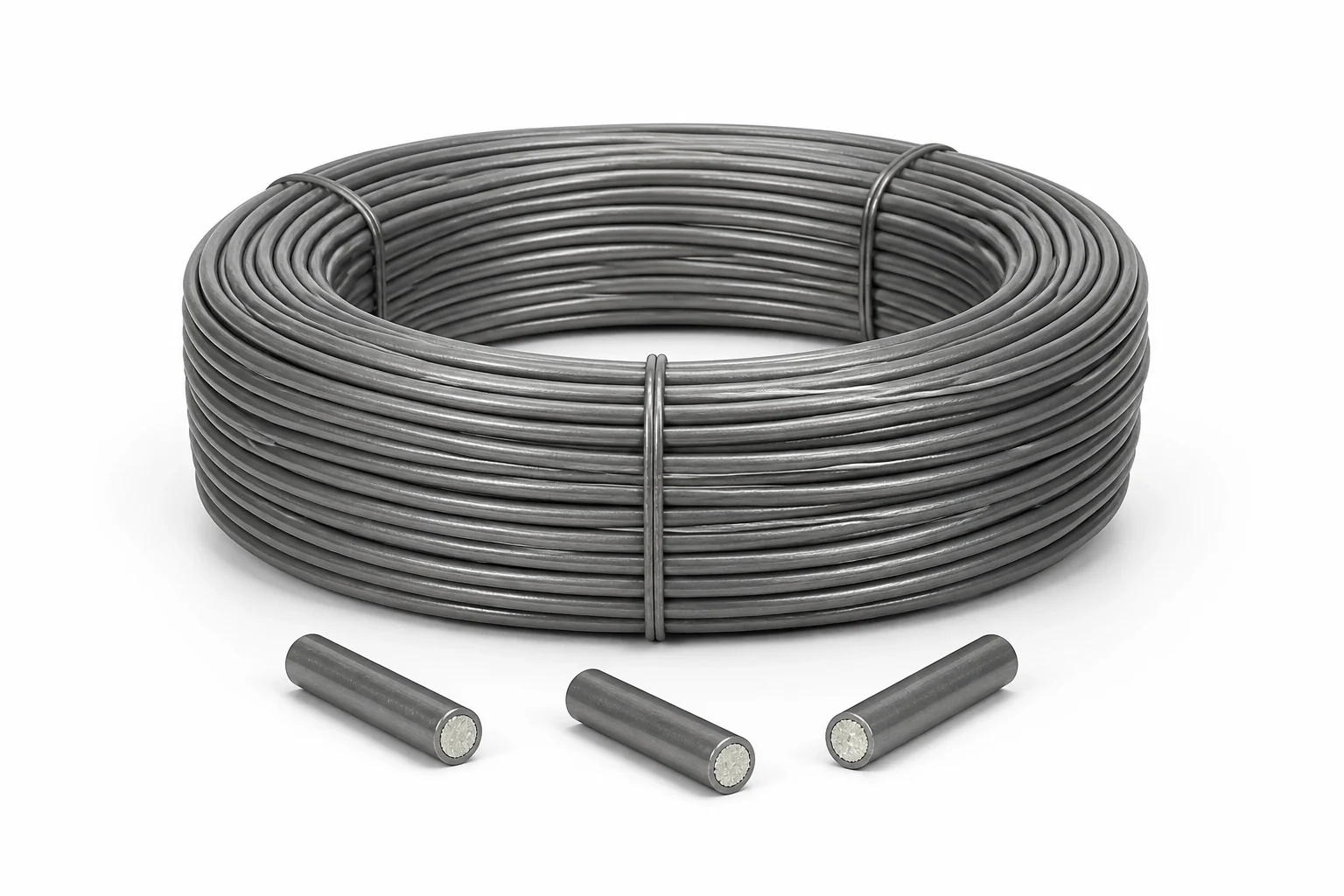
A cored-wire family with a metallic-calcium core and steel sheath for controlled calcium treatment of reviewed steel melts. It is not interchangeable with calcium-silicon or composite-calcium cored wire; calcium purity, core construction, effective Ca per metre, diameter and plant recovery must be fixed in the formal SKU/TDS and lot COA.
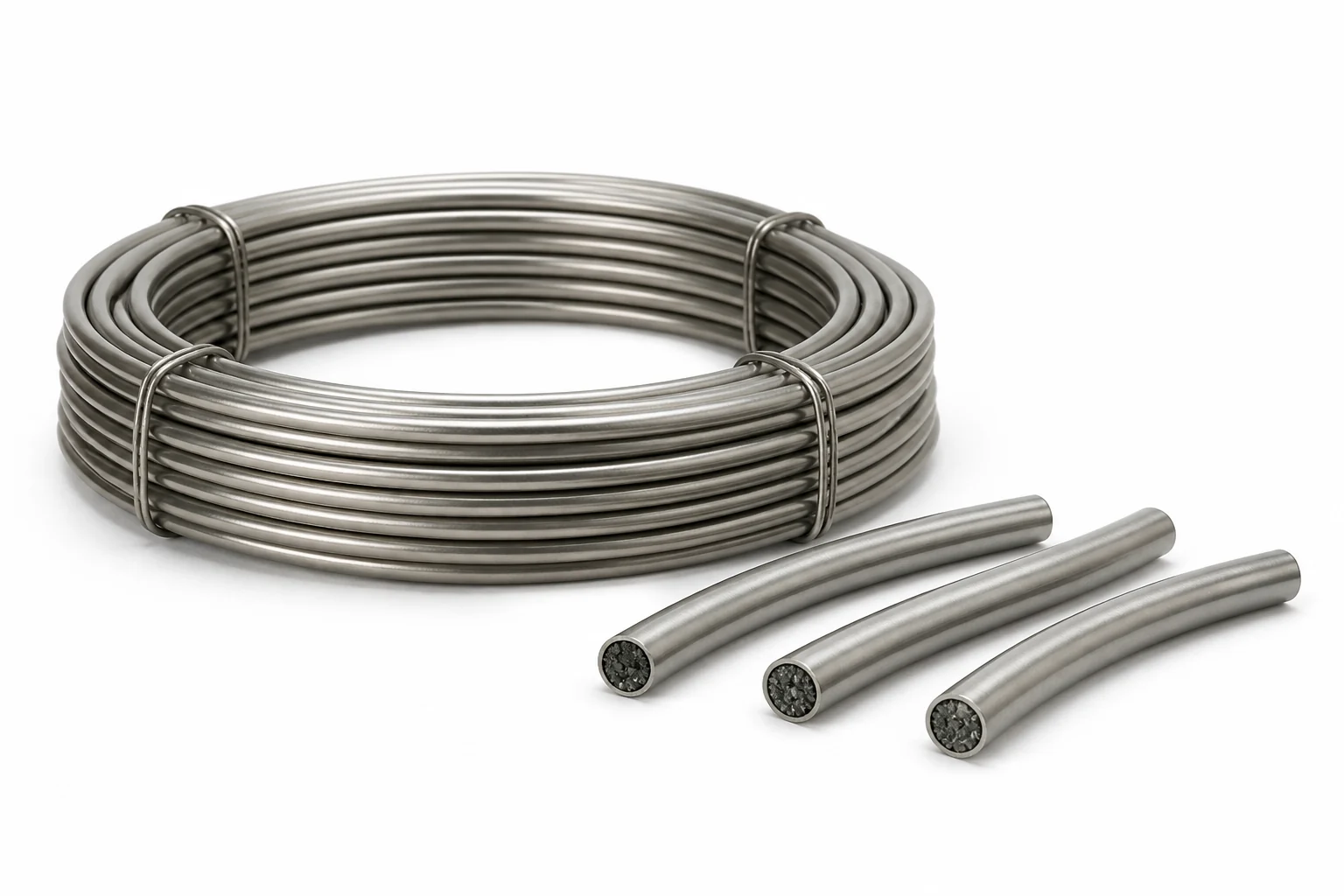
A cored-wire product for controlled titanium addition using a ferrotitanium core. In designed steel grades it may support titanium alloying, nitrogen/carbon fixation or boron protection, but total Ti is not effective Ti; steel N, O, C, Al and downstream practice require joint review.
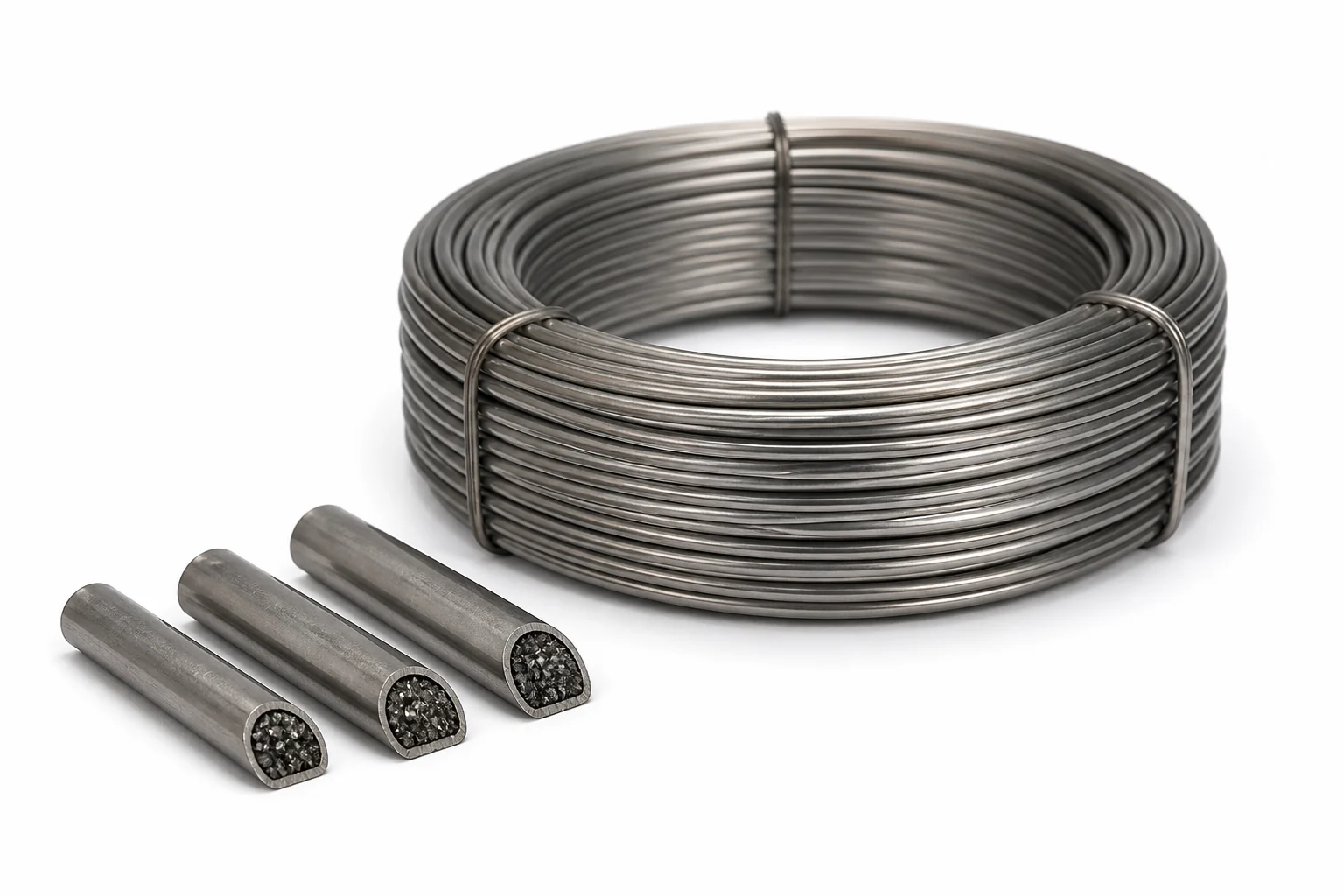
A ferroboron-core wire for micro-boron alloying. It applies only to steel grades with a defined effective-boron window; total/acid-soluble B, N, O, Ti and Al must be confirmed, and the fed amount cannot be equated directly with hardenability or mechanical properties.
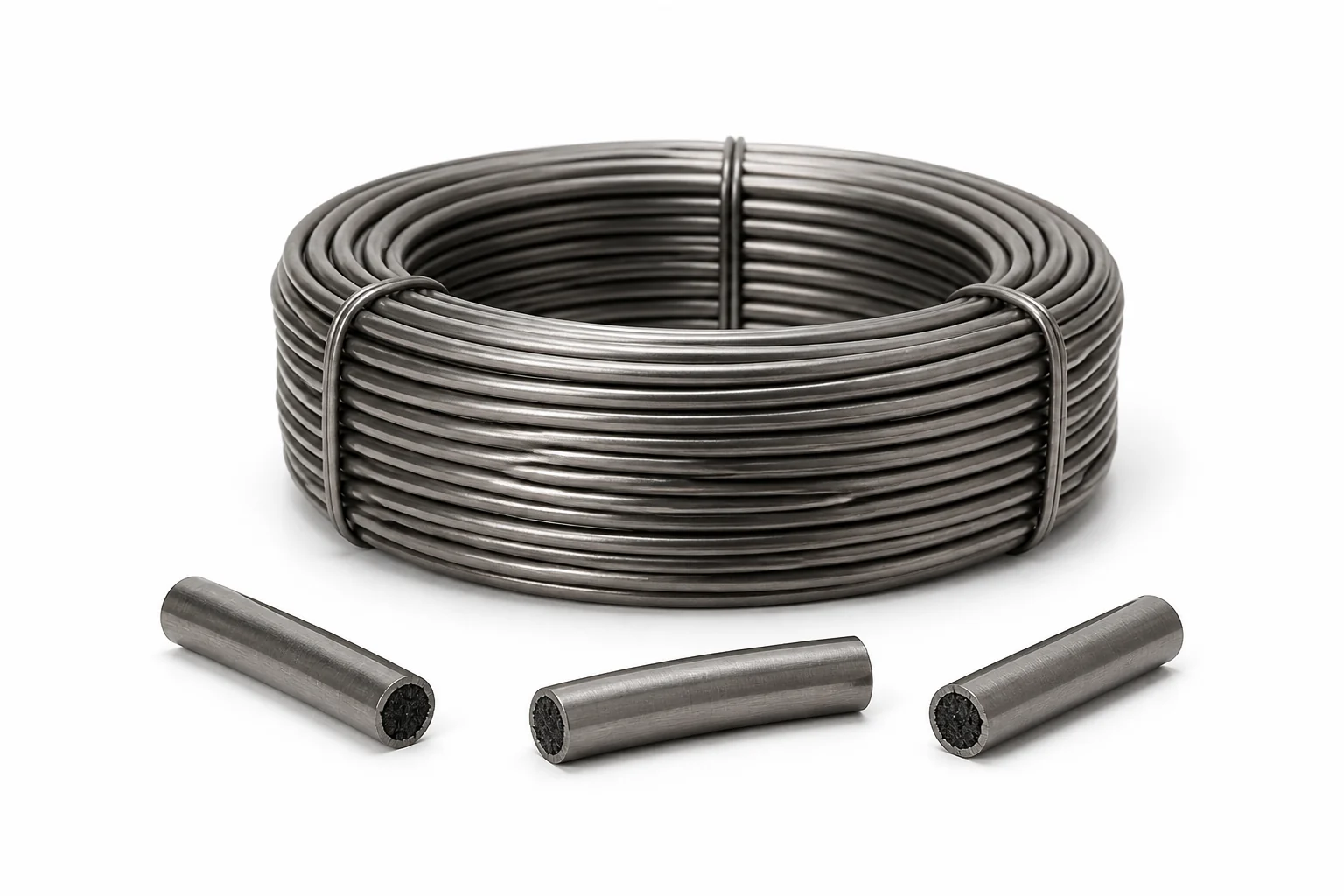
A powder-core wire for carburising reviewed steel melts. Carbon source, fixed carbon, ash, S, N, volatiles, moisture, core sizing and plant recovery jointly determine suitability; it is not interchangeable with bulk recarburiser or welding flux-cored wire.
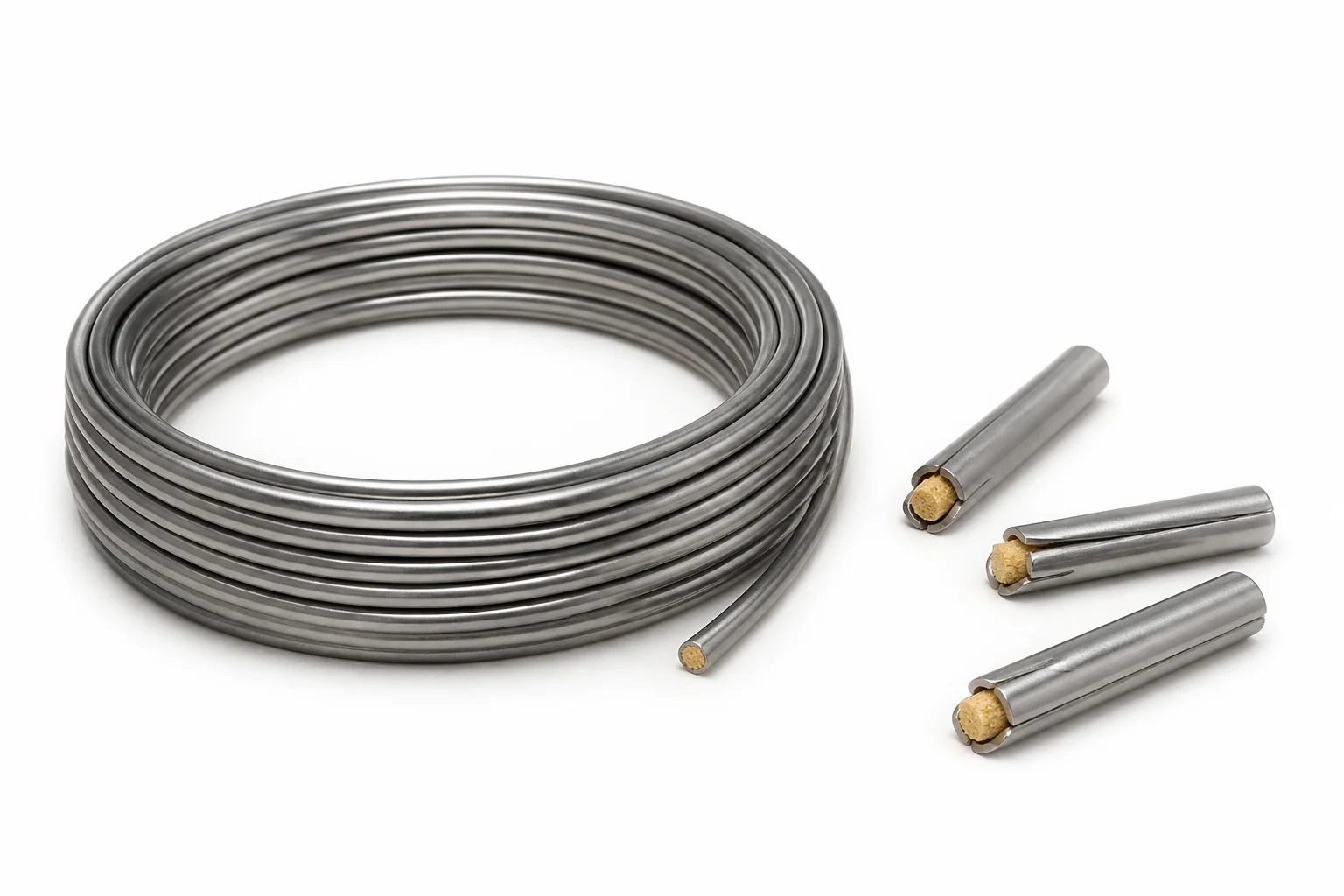
A cored wire for controlled sulfur addition or resulfurisation in defined processes such as free-machining steel; it is not a general refining or purification product. Core form, target S, Mn/S relationship, steel oxygen state, fumes and fire controls must be confirmed.
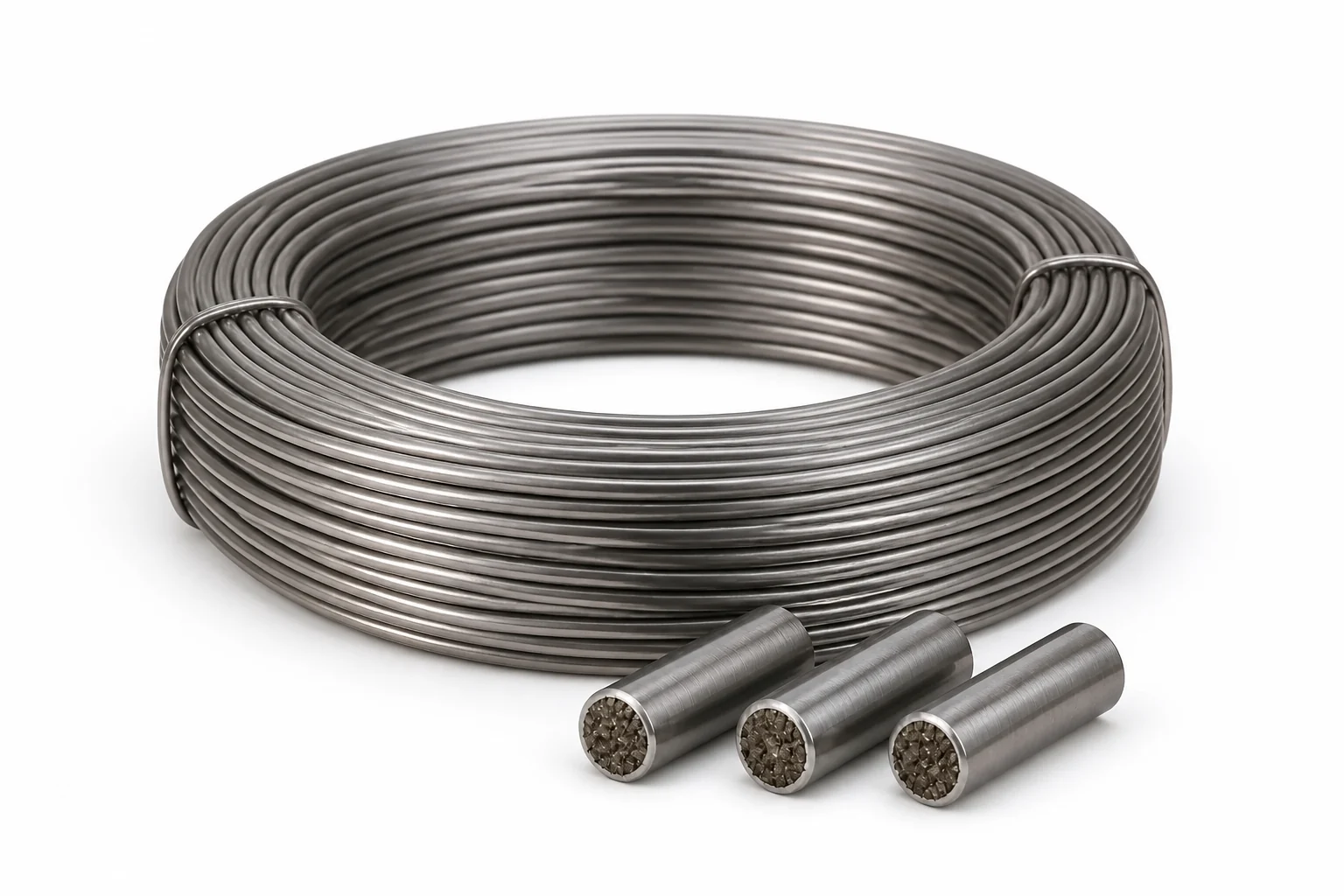
A cored-wire family using a ferromanganese core for controlled manganese addition in steelmaking. High-, medium- and low-carbon ferromanganese grades are not interchangeable; Mn/C/Si/P/S, core sizing, core mass per metre and target recovery must be fixed in the SKU/TDS.
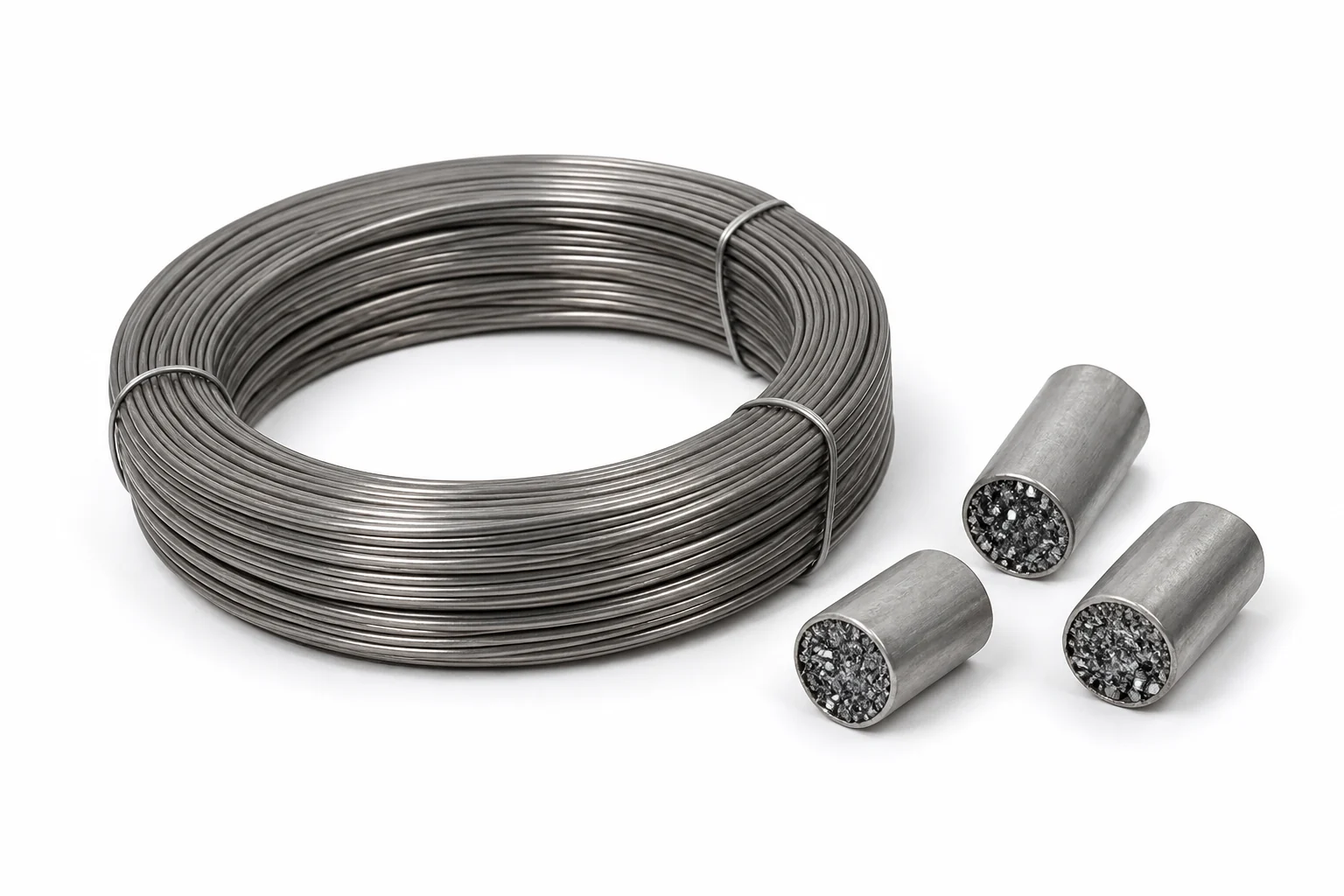
A ferrosilicon-core wire for steel deoxidation or silicon alloying. Ordinary FeSi core and cast-iron inoculant core containing active elements such as Ba, Sr, Zr or Ce are not the same specification and require separate SKUs and TDSs.
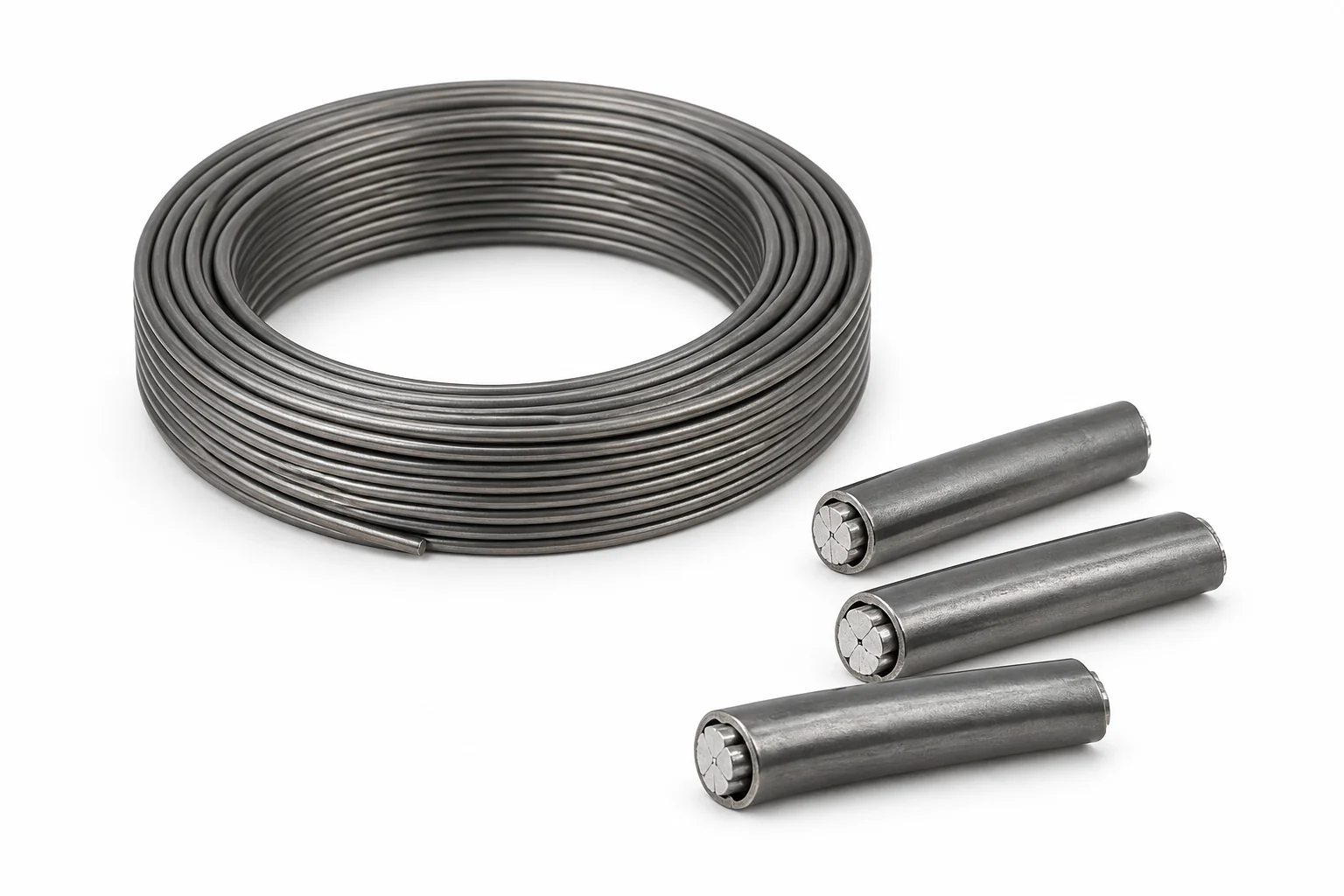
A candidate wire product for steel deoxidation or aluminium adjustment. 'Aluminium-core cored wire' may refer to steel-sheathed aluminium powder, a steel-covered aluminium core or solid aluminium wire; these have different construction and metering bases, so core construction, Al purity and effective Al per metre must be fixed first.
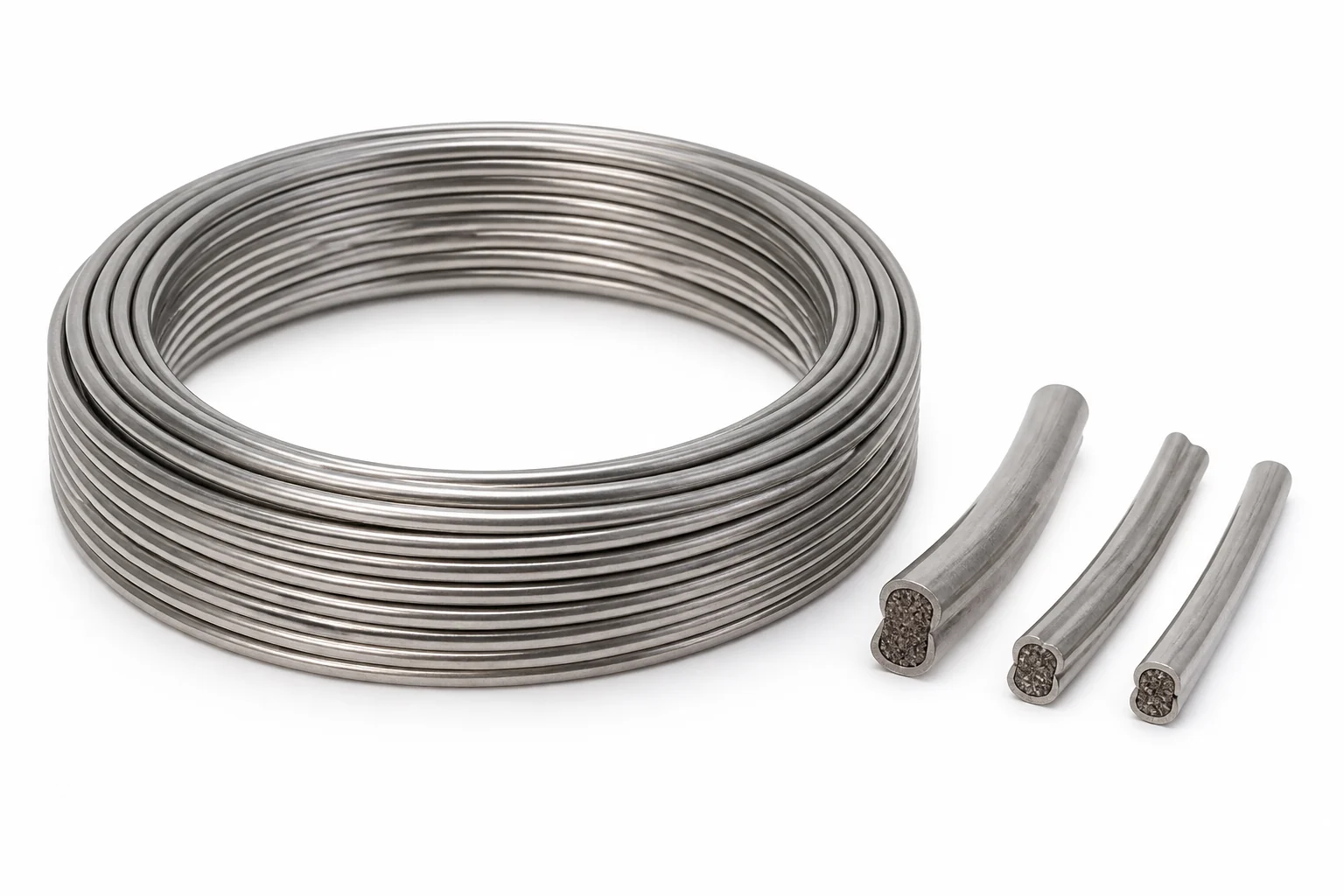
Rare-earth cored wire is a family name that still requires its core carrier to be specified. Ce/La misch metal, rare-earth ferrosilicon and other carriers cannot share one specification; selection requires the steel grade, O/S state, target residual RE and inclusion route.
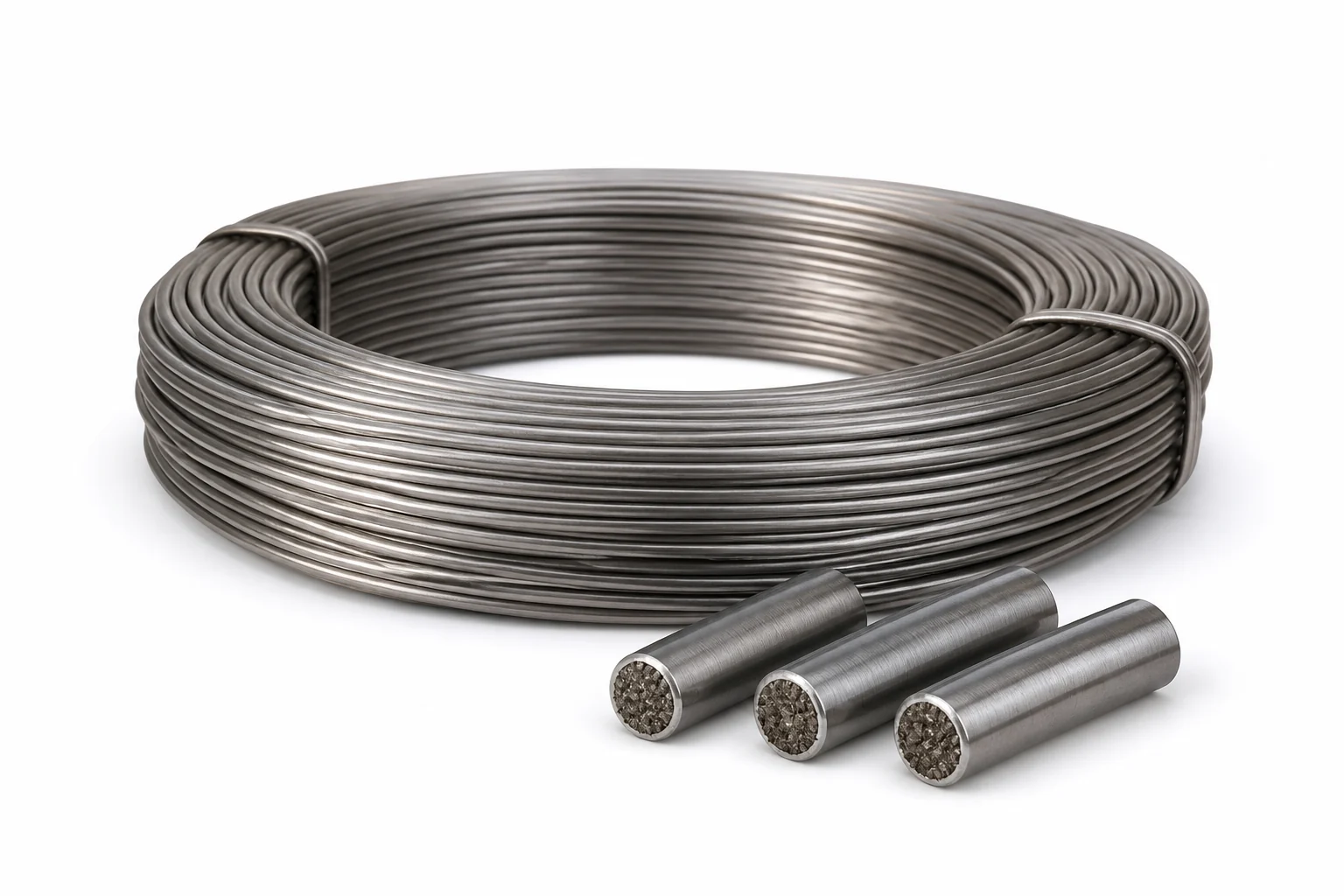
A custom cored-wire family with Si, Ca and Mn as principal core indicators. It may serve reviewed steel composite addition or a specific cast-iron inoculation practice, but these uses cannot be promised under one generic specification; formula, industry and validation method must be fixed.
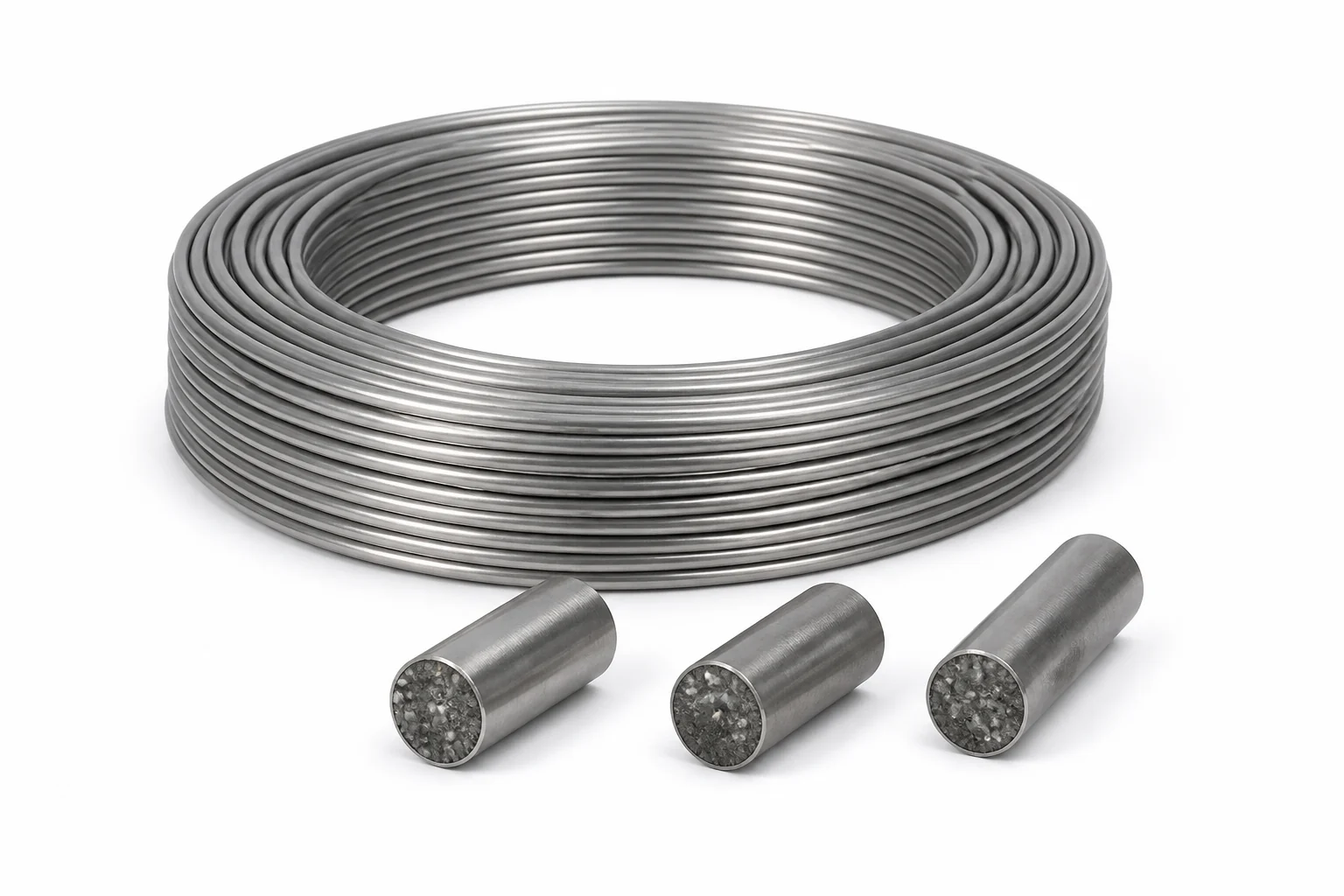
A cored-wire family with Si, Ca and Ba as principal core indicators, for formulation-confirmed cast-iron inoculation or dedicated steel treatment. Active elements, sizing, addition point and validation differ between the two uses and require separate SKUs.
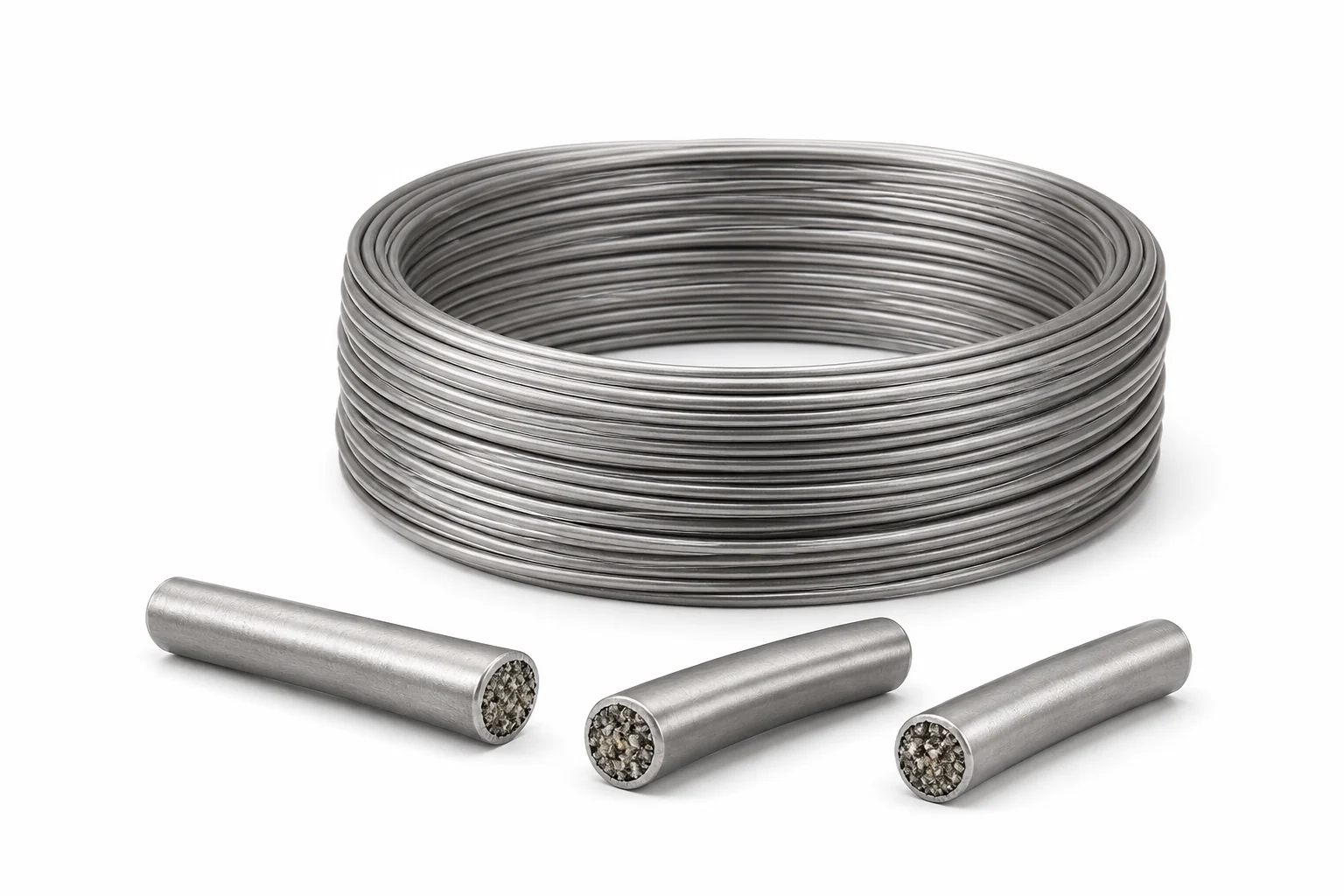
A foundry treatment wire with a rare-earth magnesium ferrosilicon core. For reviewed ductile- or compacted-graphite-iron treatment, base-iron S, temperature, treatment ladle, target residual Mg, feeding practice and post-inoculation validation must be considered.
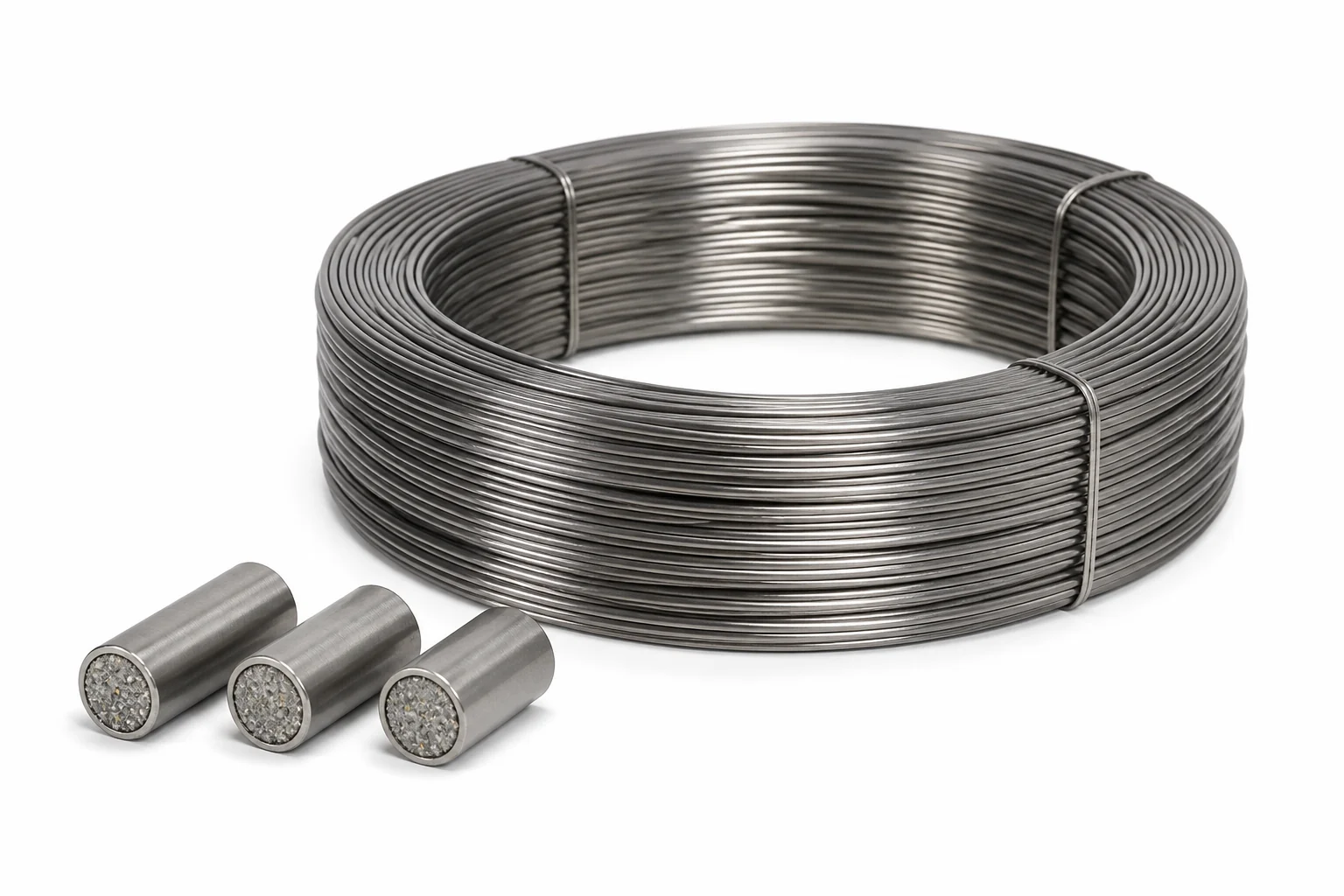
Composite calcium cored wire is a custom family using two or more calcium-bearing carriers, functional components or a defined layered construction. Single metallic-calcium, calcium-silicon and dedicated calcium-aluminium cores belong to their own product pages; CaFe and other confirmed multi-component or layered systems require their own formal TDS.
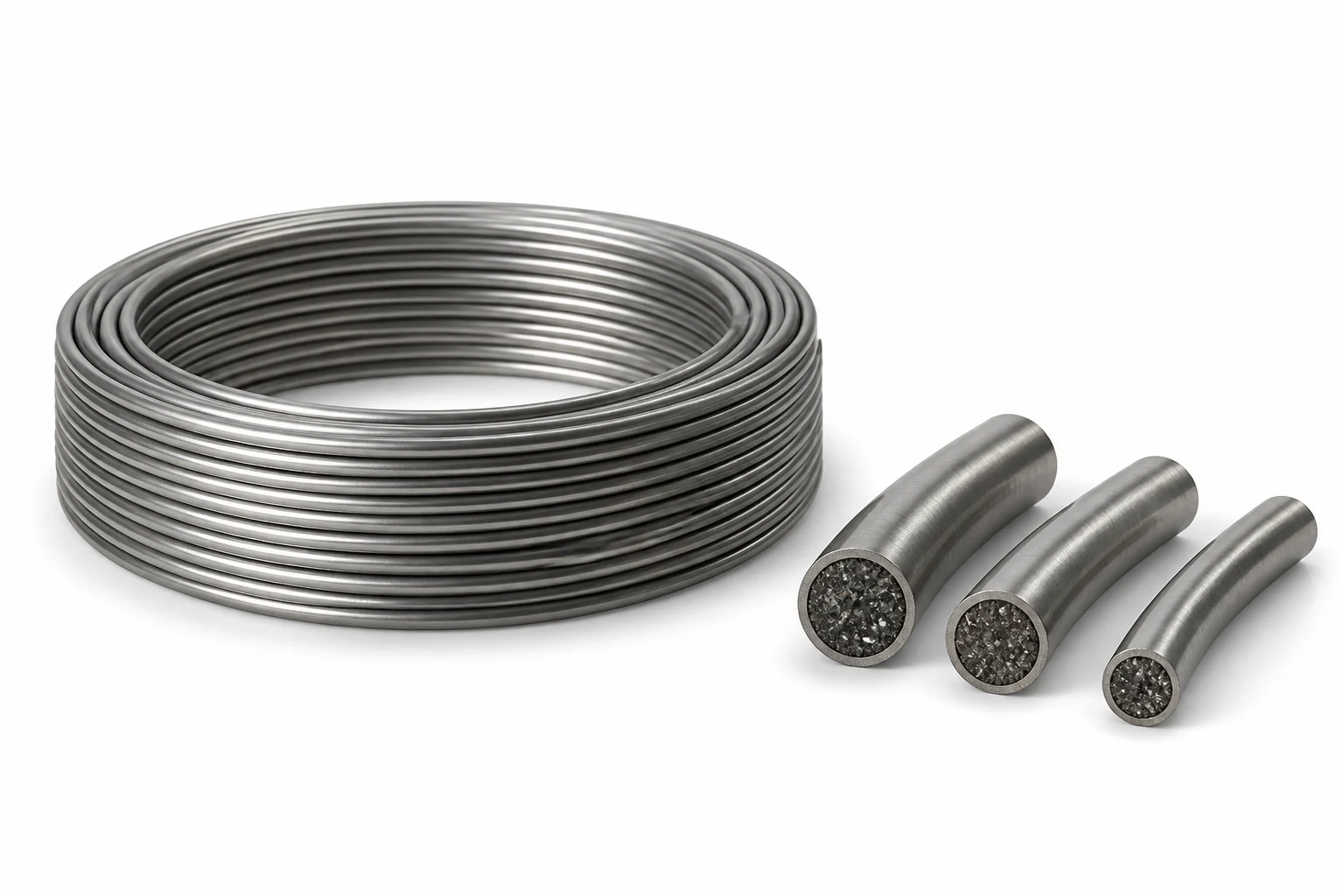
A composite-magnesium cored-wire family for cast-iron treatment, potentially using pure Mg, FeSiMg or another composite carrier. Mg carrier, RE/Ca/Ba, base-iron S, temperature, treatment ladle and fume control must be fixed before nodularizing or compacting use is evaluated.
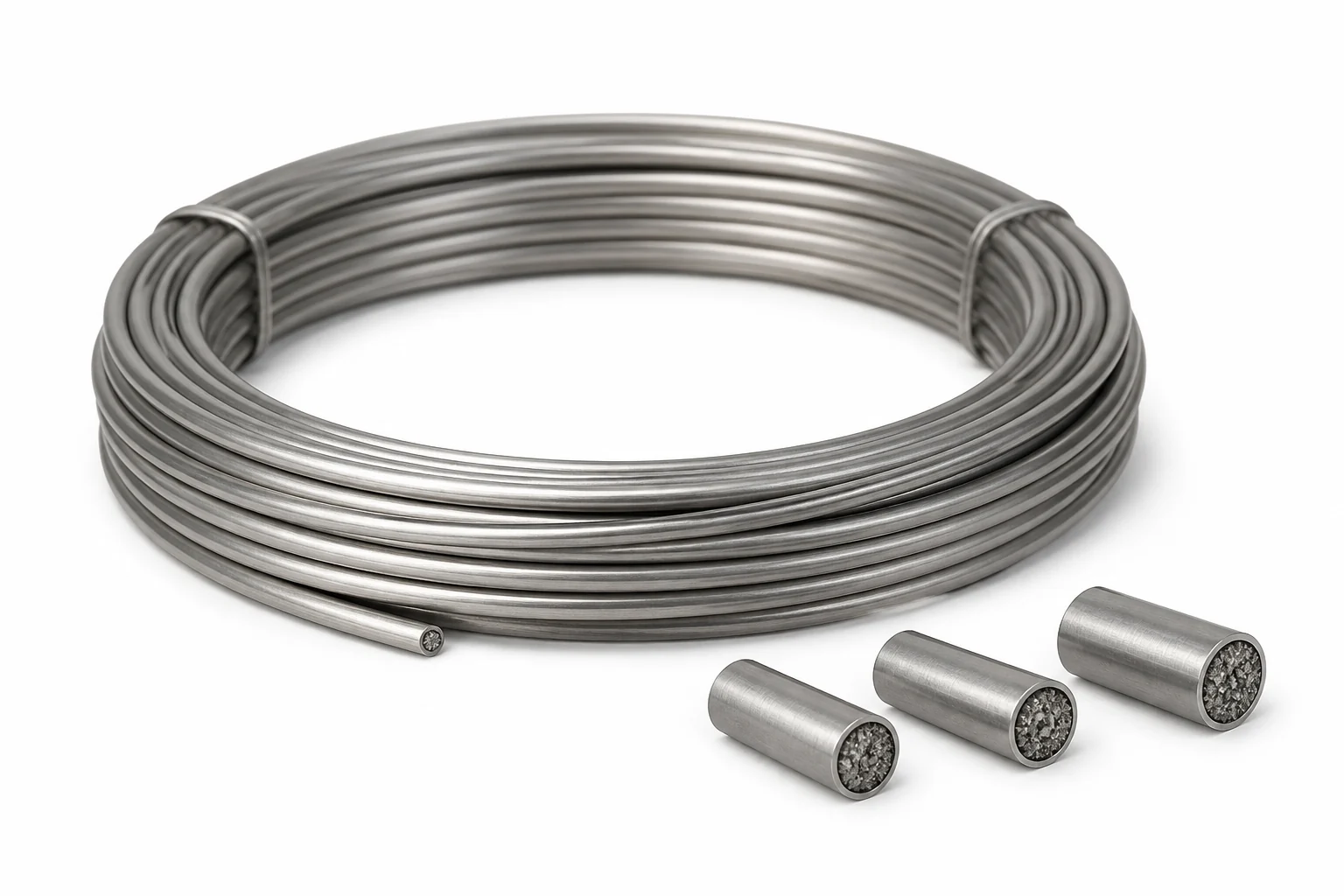
A custom cored-wire system with Si, Ca and Al as principal core indicators. Combined deoxidation and calcium treatment may be evaluated after chemistry and steel grade are confirmed, but online data for neighbouring CaAl, SiAlBaCa or SiCaBaAl products must not be copied.
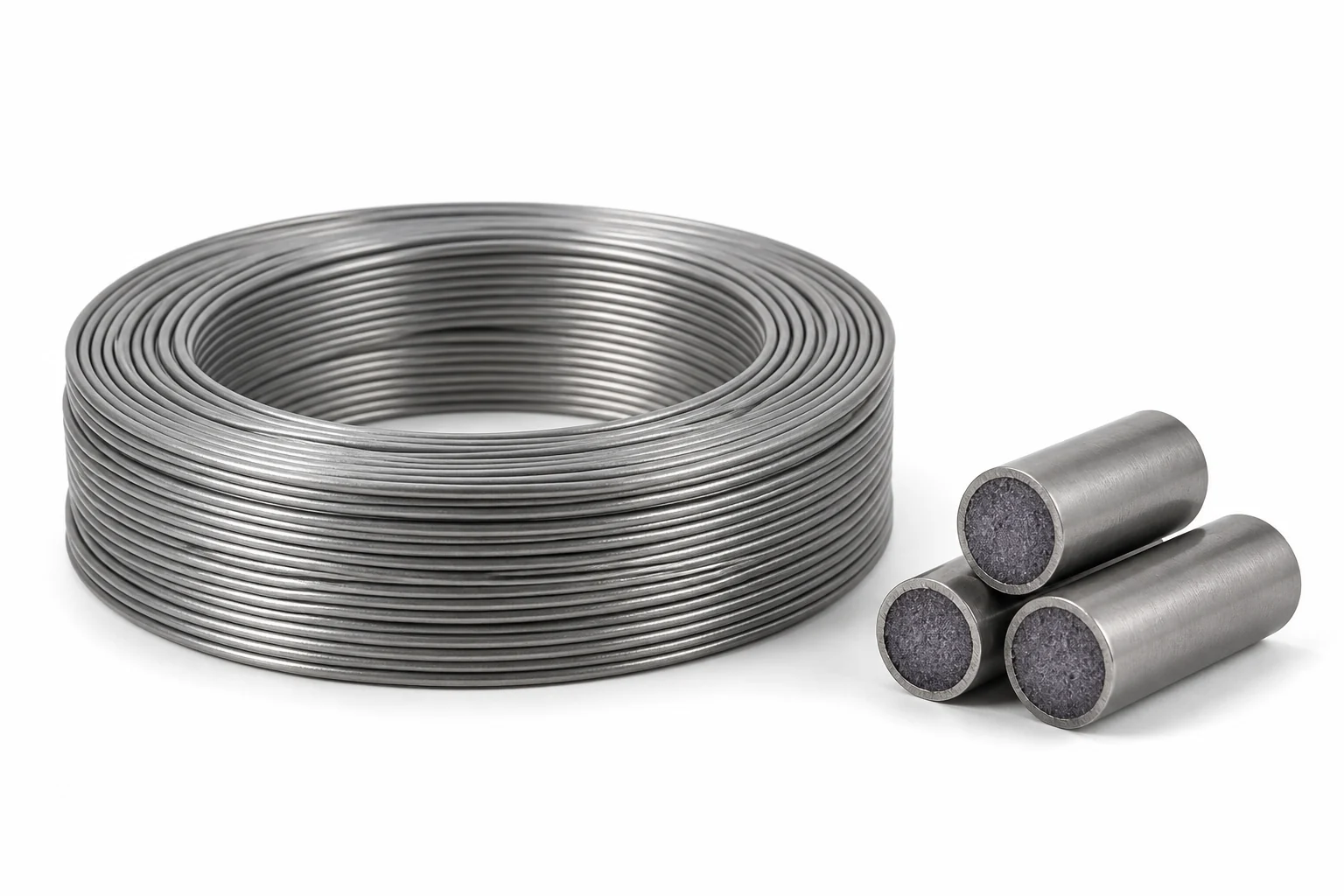
A cored wire for controlled nitrogen and manganese addition using manganese-nitrogen alloy or another confirmed nitrogen-bearing manganese core. Manganese-nitrogen alloy and nitrogen-bearing ferromanganese core must be distinguished, with Mn/N/C/Fe/P/S, target N and recovery acceptance fixed.
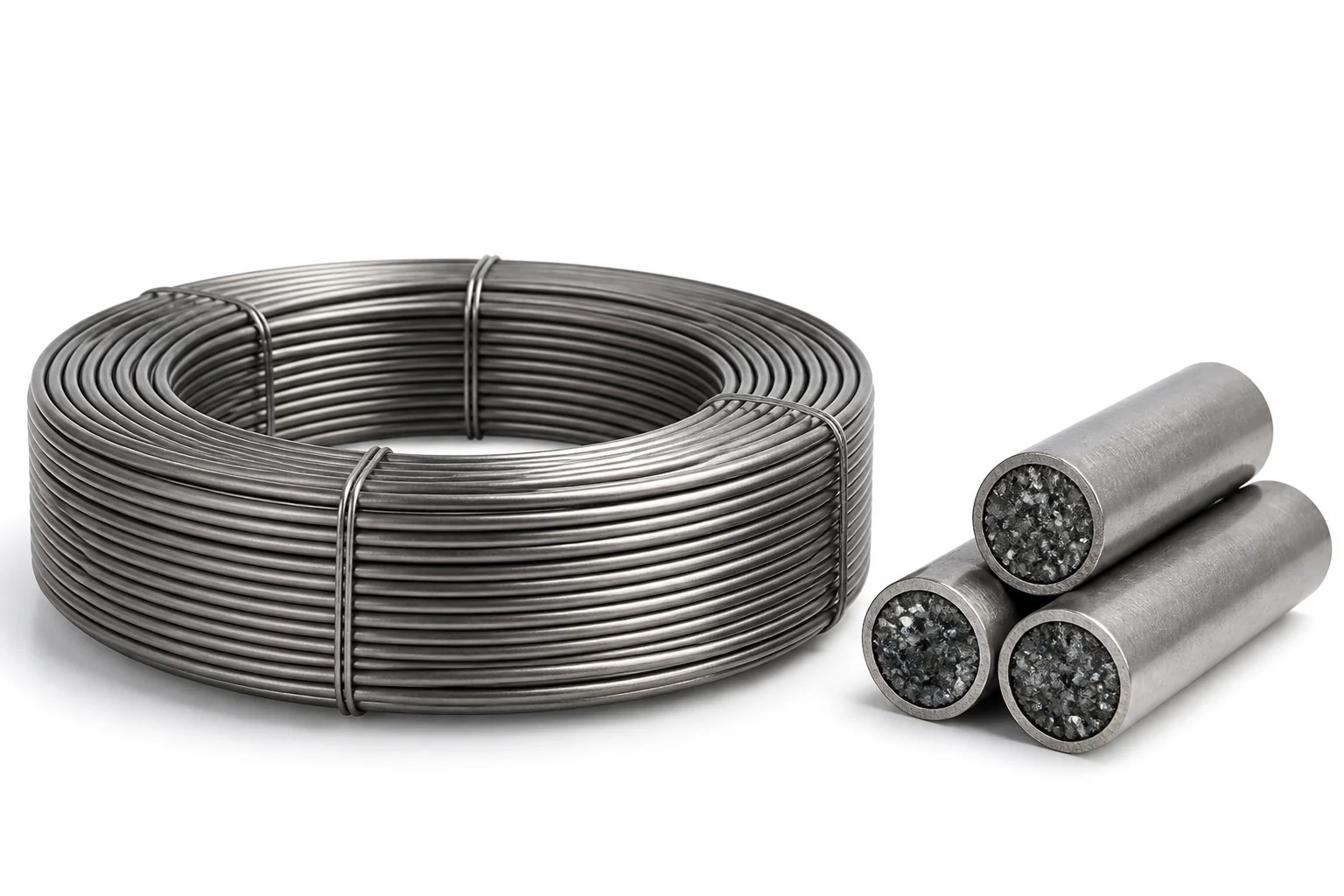
A steelmaking cored wire using a ferromanganese-silicon nitride core system to adjust N, Mn and Si together. The user-supplied display name is retained, while the technical record must map to a formal ferromanganese-silicon nitride grade and remain separate from nitrided manganese, nitrogen-bearing ferromanganese or ordinary silicomanganese.
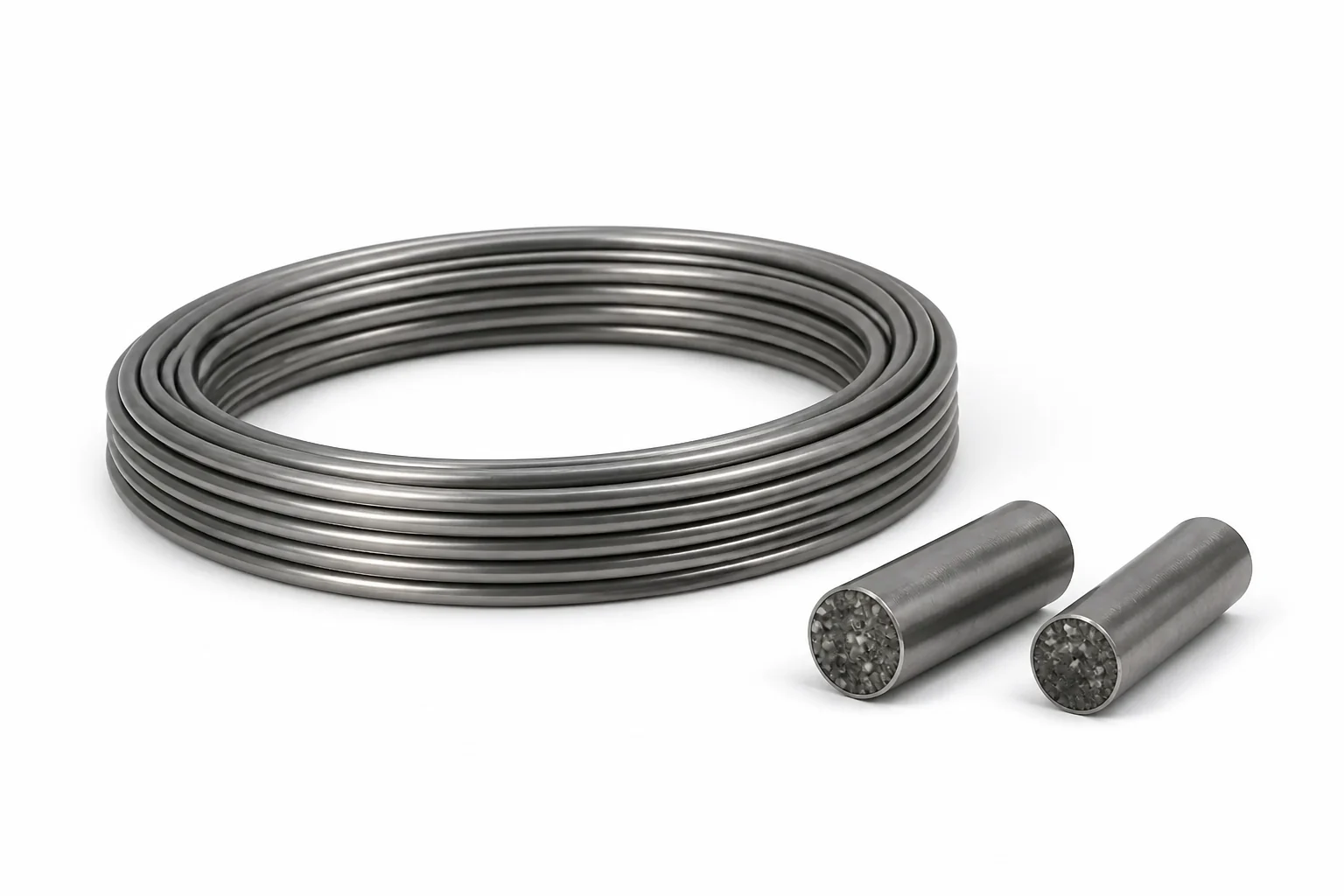
A cored-wire family with a verified ferrosilicon-barium core in a steel sheath. Cast-iron inoculation is the primary review scenario; steel-treatment use requires a separate SKU and process record. Si, Ba, Fe and residual Al, Ca, C, P and S, core sizing, core mass per metre and wire construction must be fixed by the formal TDS and lot COA.
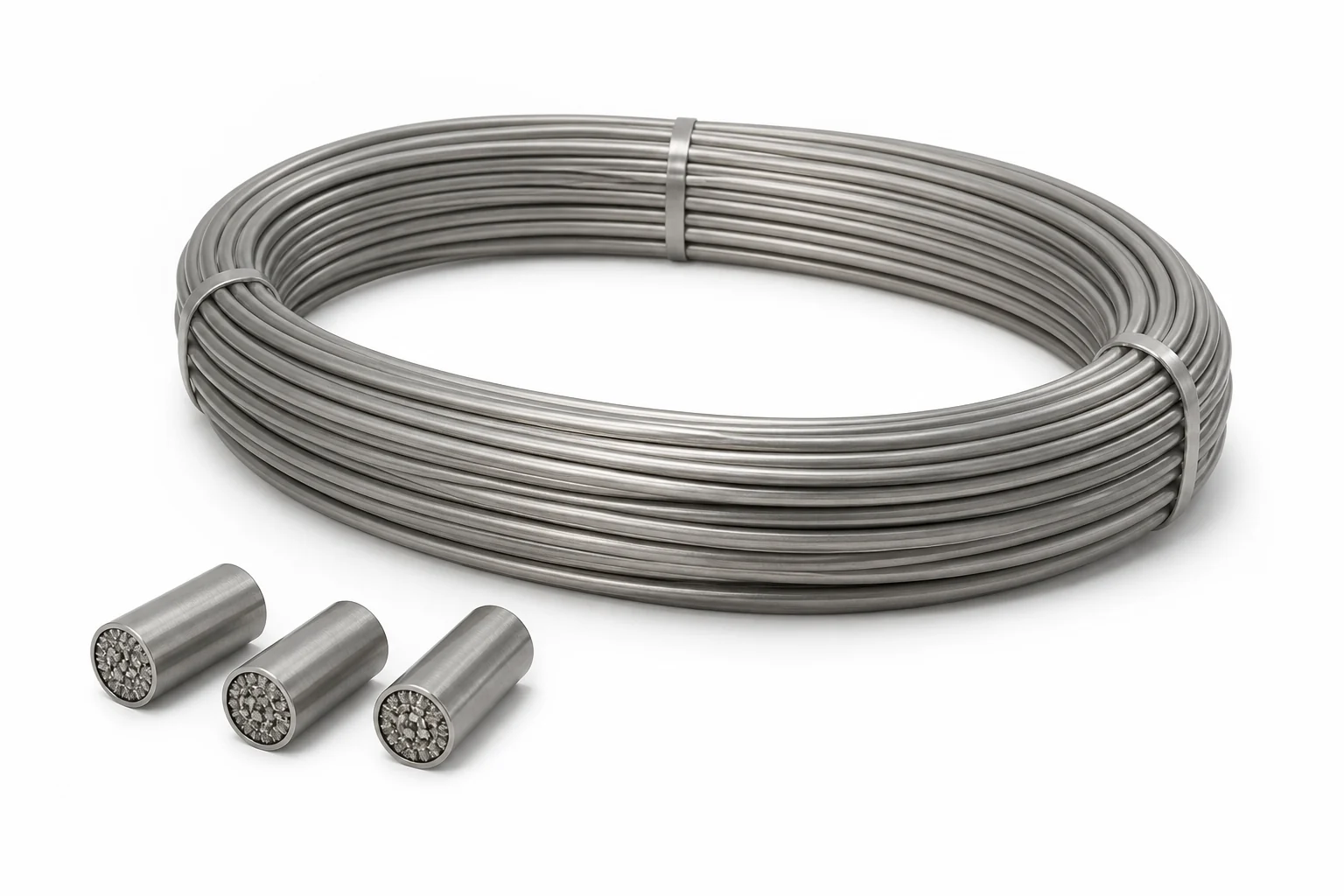
A steel-treatment cored-wire family with Ca and Al as principal core indicators, potentially using a confirmed alloy-rod/solid, granule or powder-core construction. It supports process-reviewed combined Ca/Al addition or calcium treatment; core construction, Ca/Al, residuals, effective Ca/Al per metre, diameter and plant recovery must be fixed by the formal SKU, TDS and lot COA.
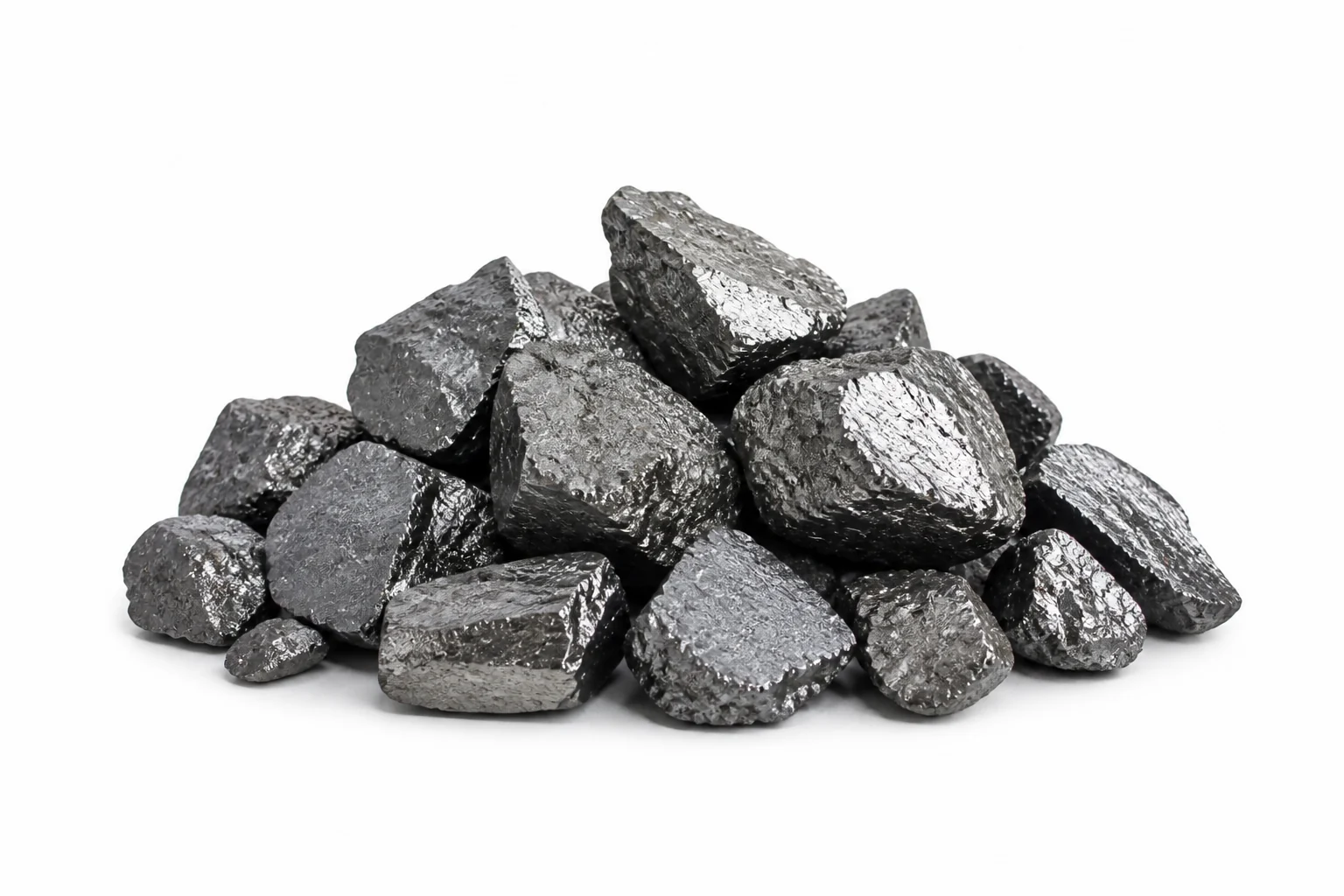
Aliases: Aluminium-silicon-barium alloy · Ferrosilicon-barium-aluminium alloy
This page explains the product's principal composition, application directions and inquiry points; confirm the grade, guaranteed indicators, sizing, packing and process fit before quotation.
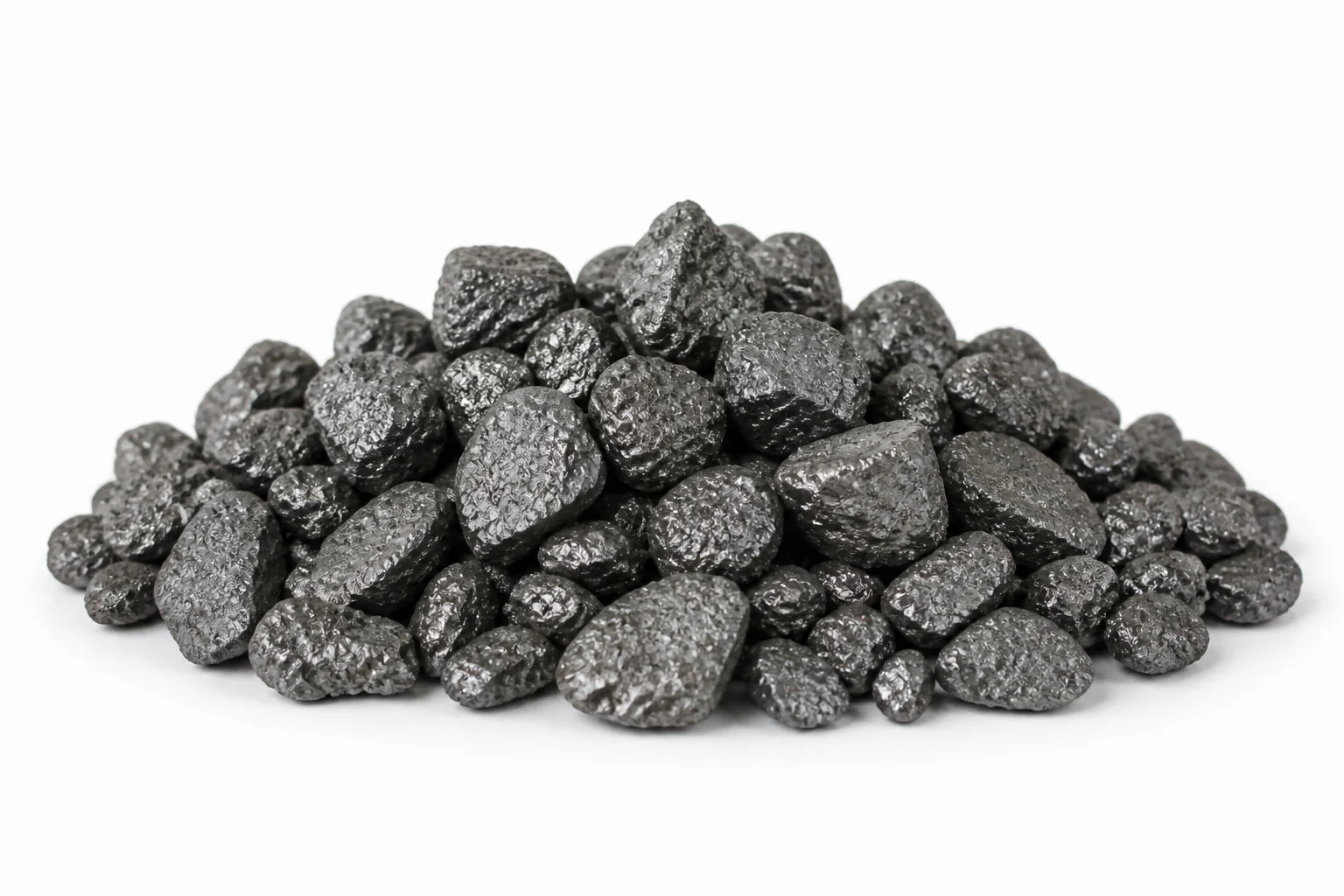
This page explains the product's principal composition, application directions and inquiry points; confirm the grade, guaranteed indicators, sizing, packing and process fit before quotation.
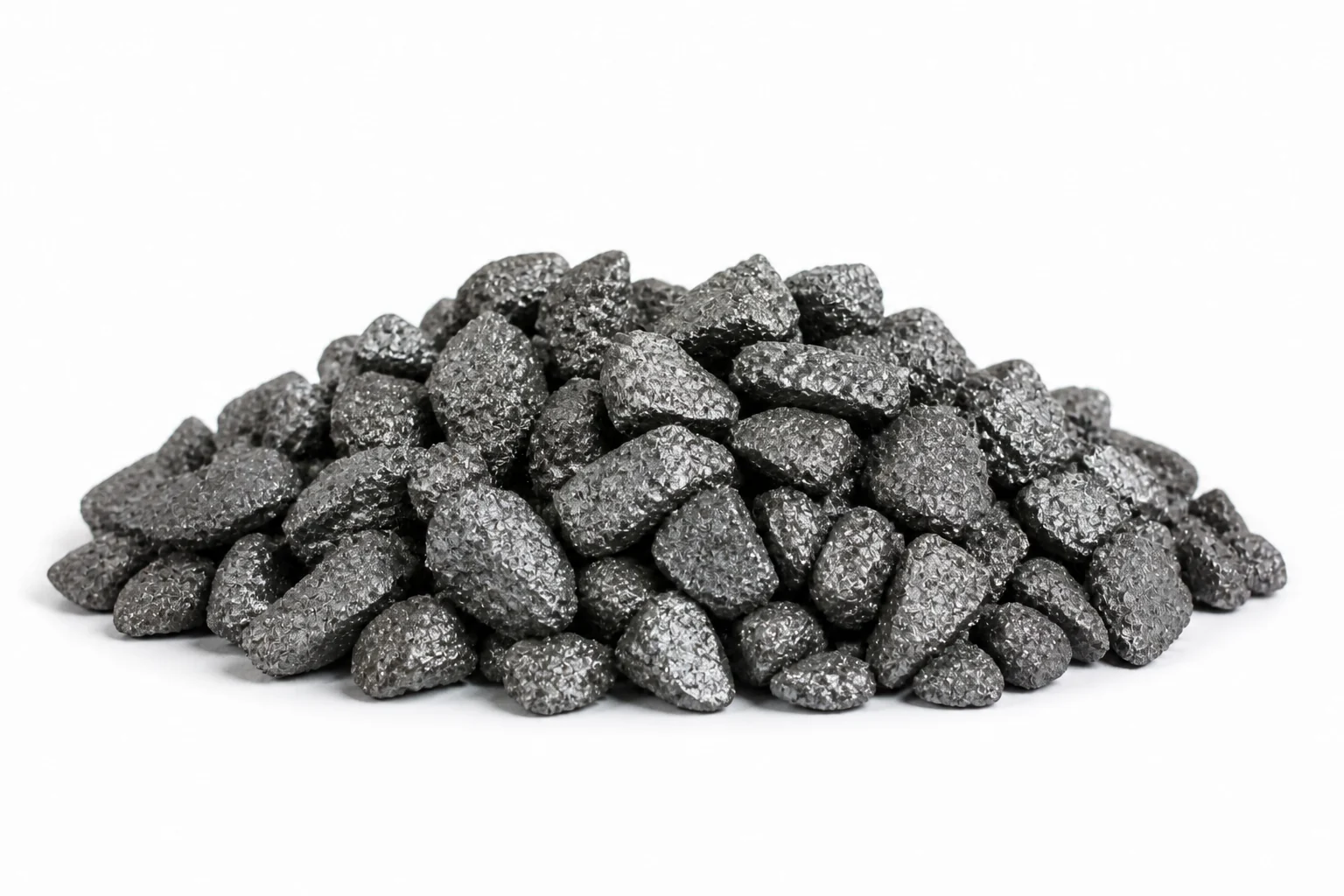
Aliases: Ferrosilicon-calcium-barium-aluminium alloy
This page explains the product's principal composition, application directions and inquiry points; confirm the grade, guaranteed indicators, sizing, packing and process fit before quotation.
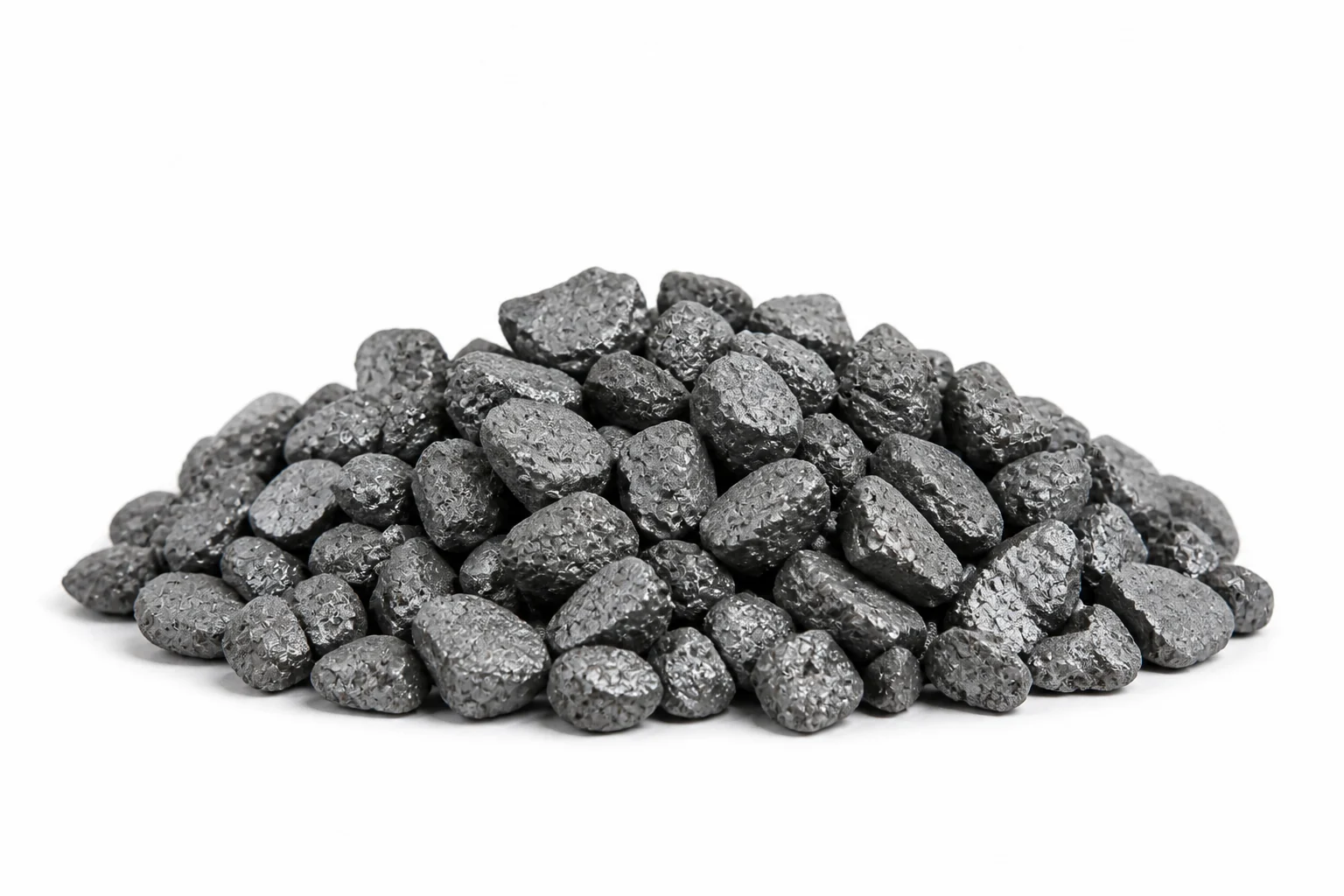
This page explains the product's principal composition, application directions and inquiry points; confirm the grade, guaranteed indicators, sizing, packing and process fit before quotation.
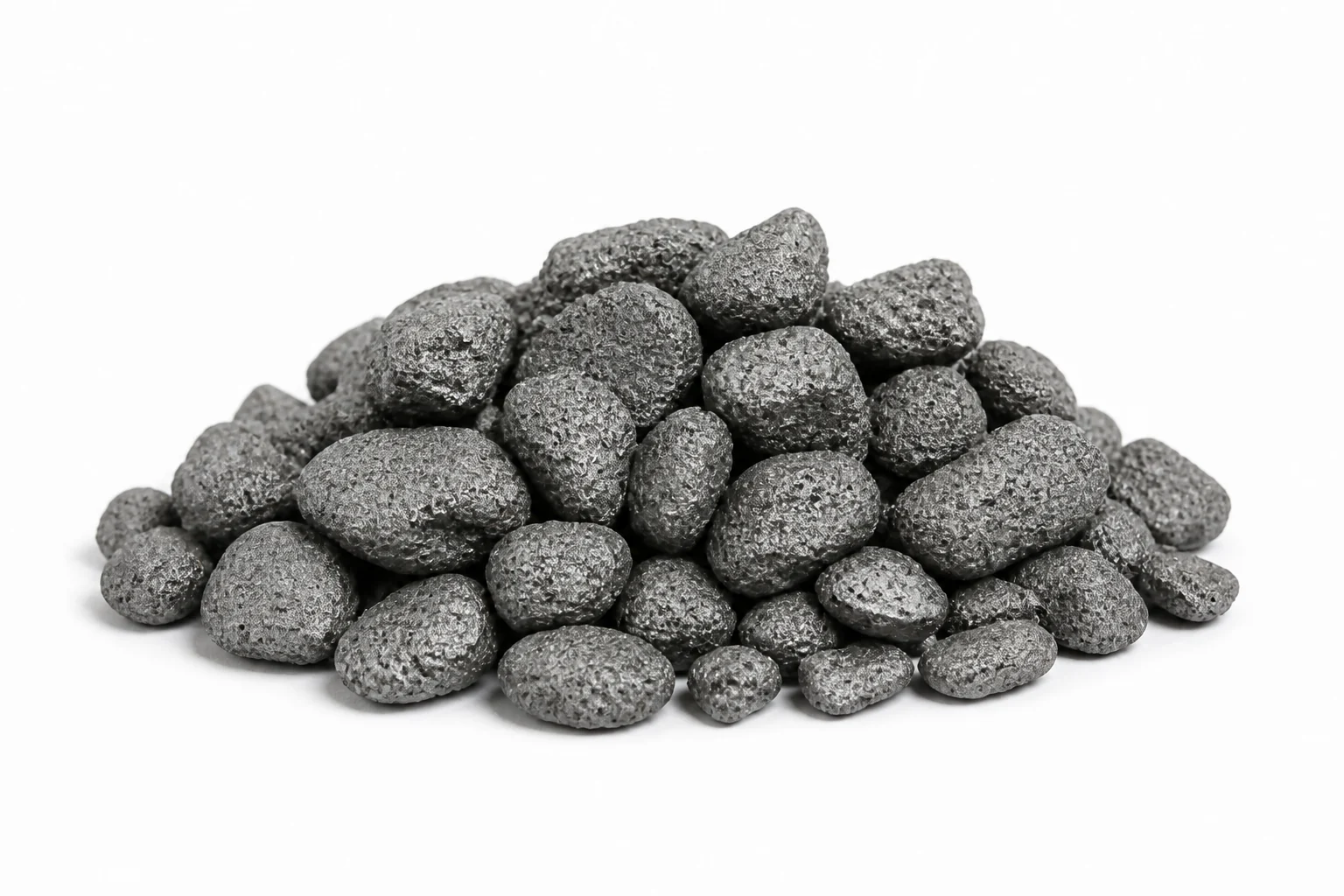
This page explains the product's principal composition, application directions and inquiry points; confirm the grade, guaranteed indicators, sizing, packing and process fit before quotation.
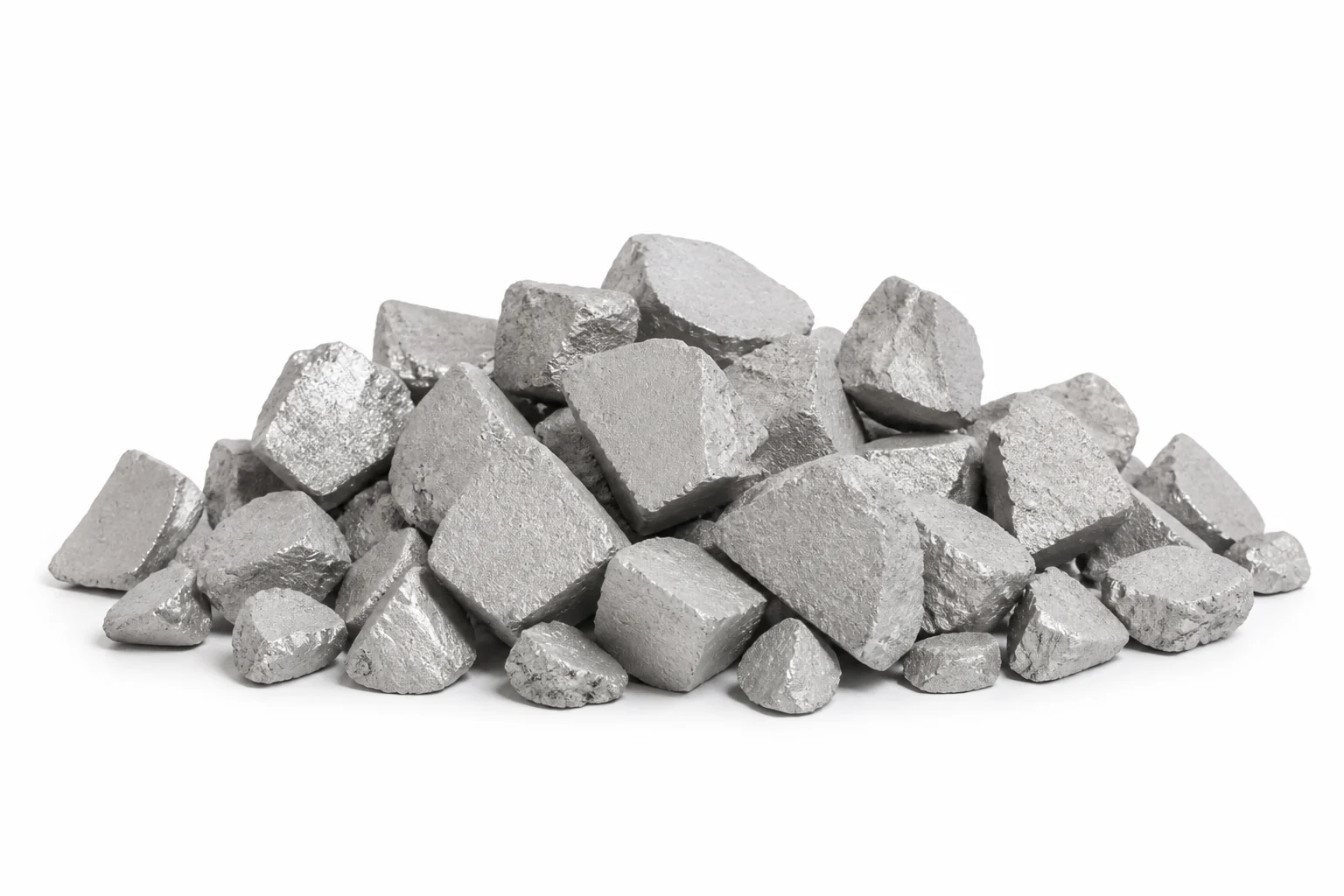
An aluminium-base master-alloy family with Si as the main alloying element, used for aluminium-melt charge make-up or Si adjustment. It is not the Fe-based steelmaking silicon-aluminium alloy FA-SIAL.
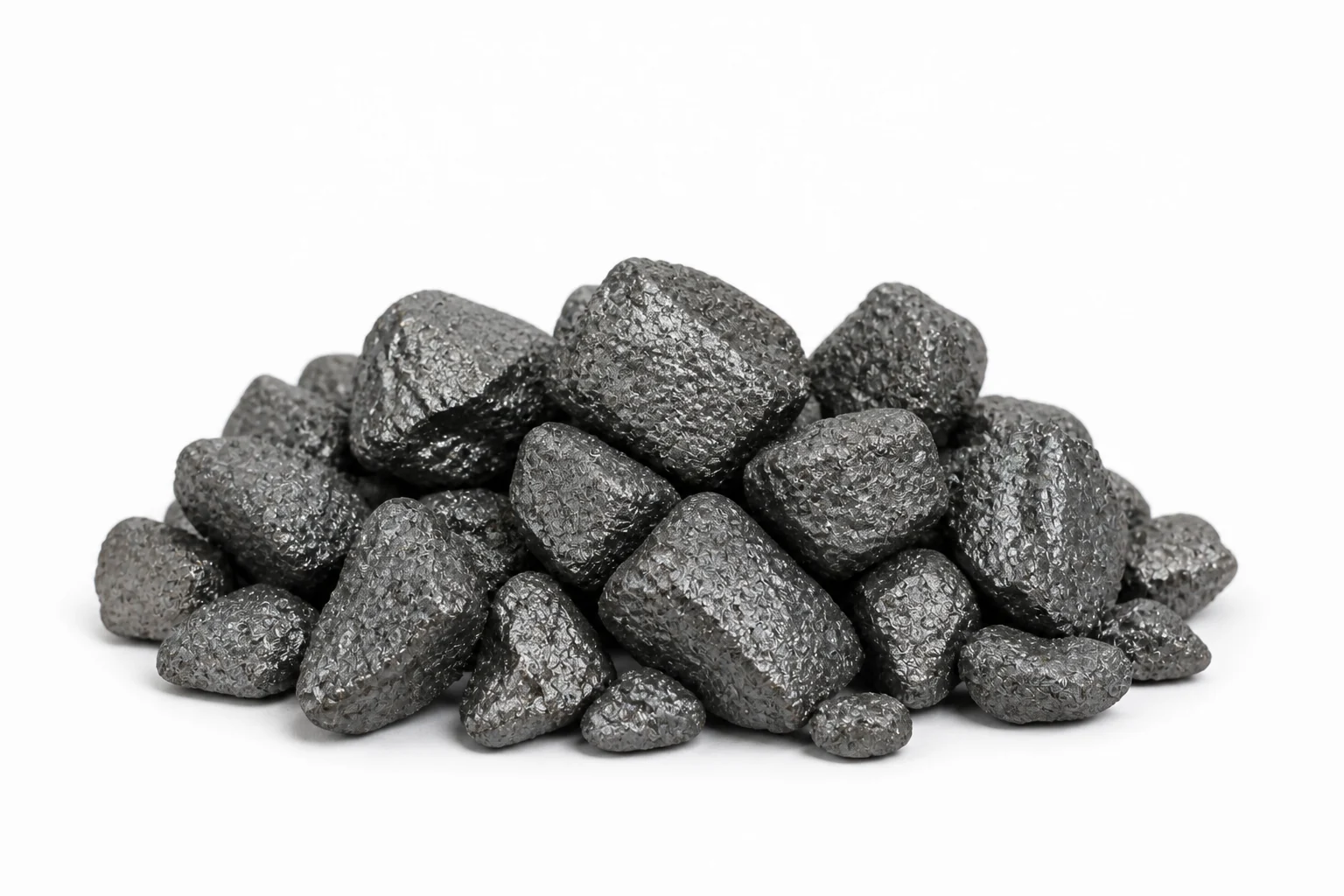
This page explains the product's principal composition, application directions and inquiry points; confirm the grade, guaranteed indicators, sizing, packing and process fit before quotation.
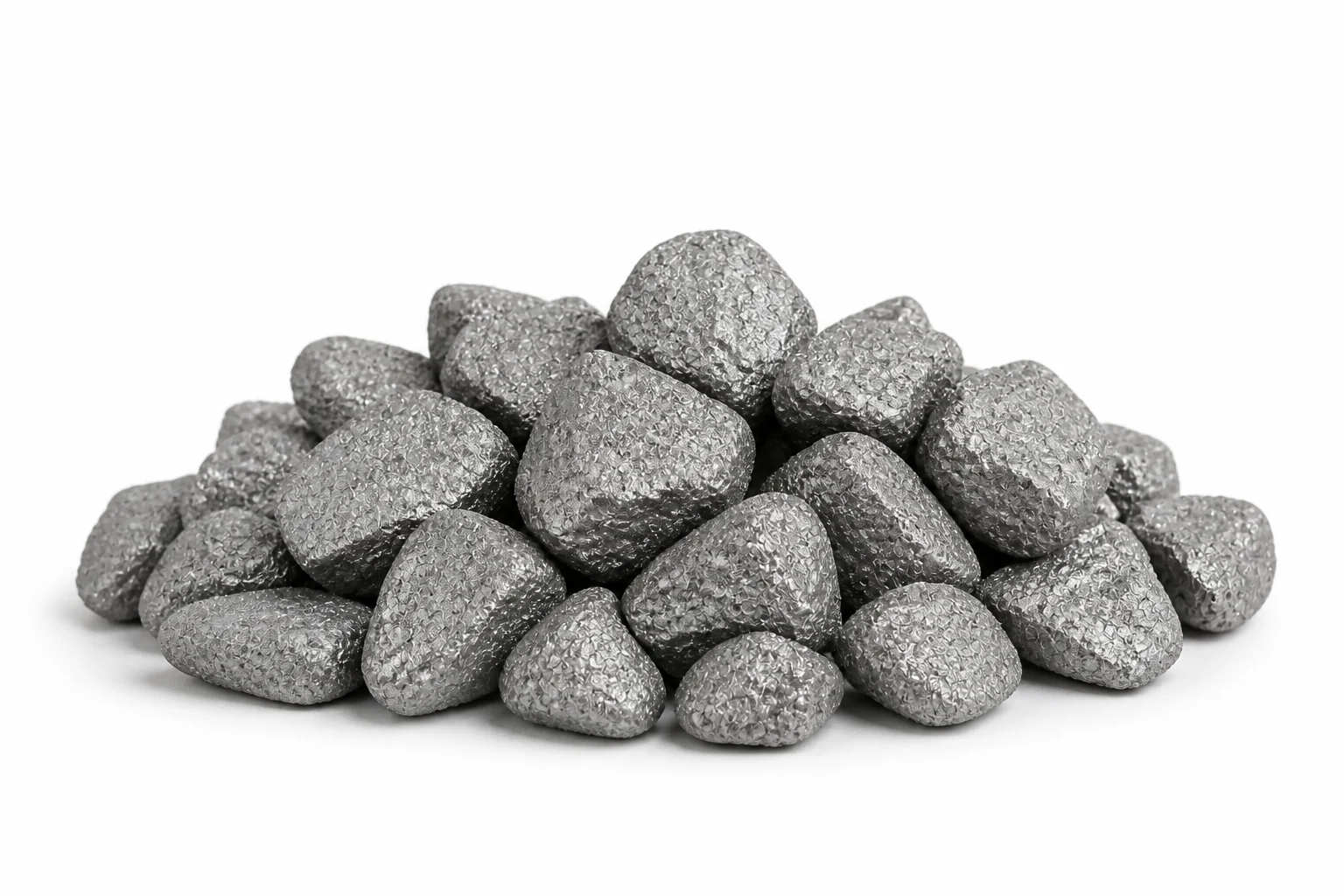
This page explains the product's principal composition, application directions and inquiry points; confirm the grade, guaranteed indicators, sizing, packing and process fit before quotation.
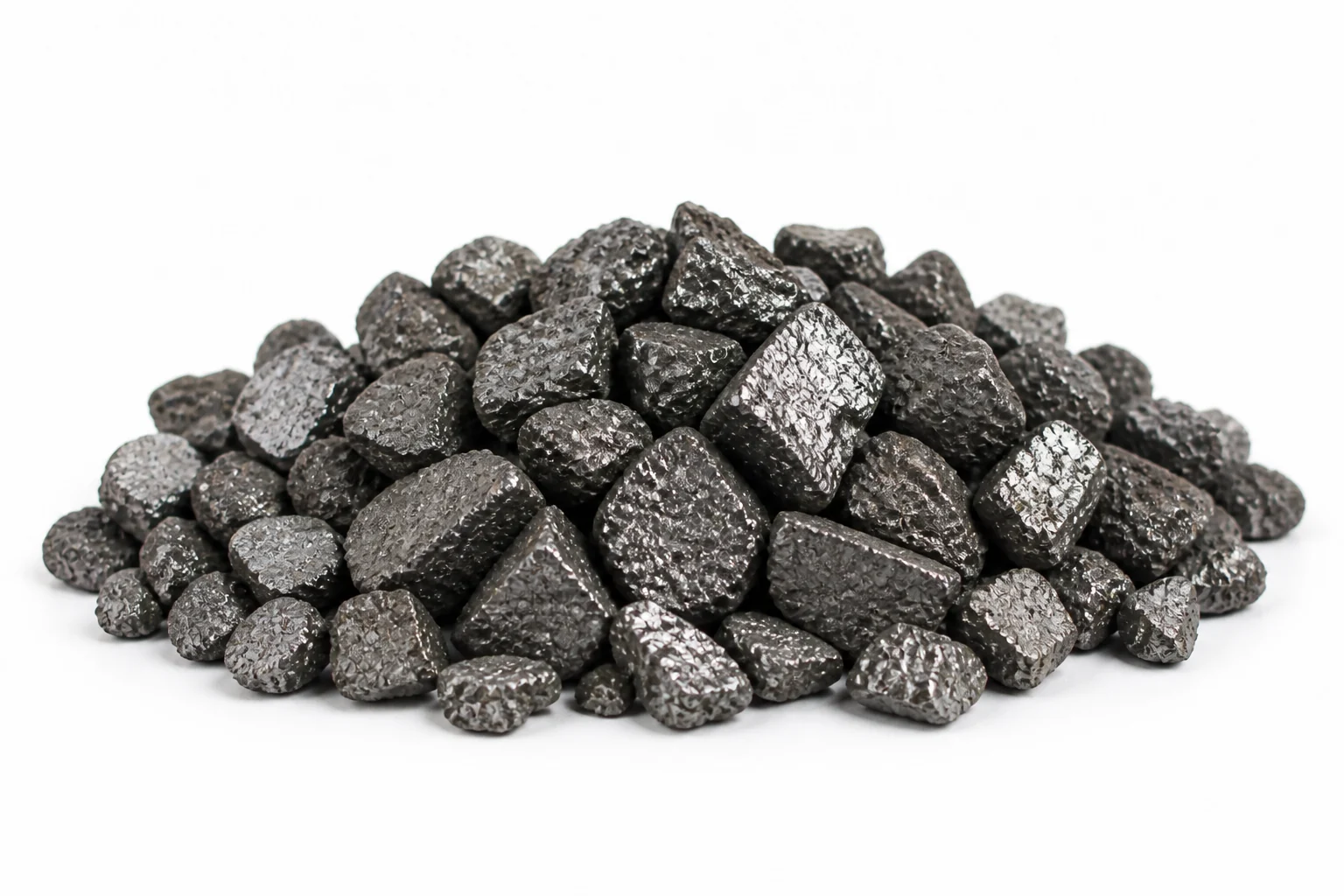
This page explains the product's principal composition, application directions and inquiry points; confirm the grade, guaranteed indicators, sizing, packing and process fit before quotation.
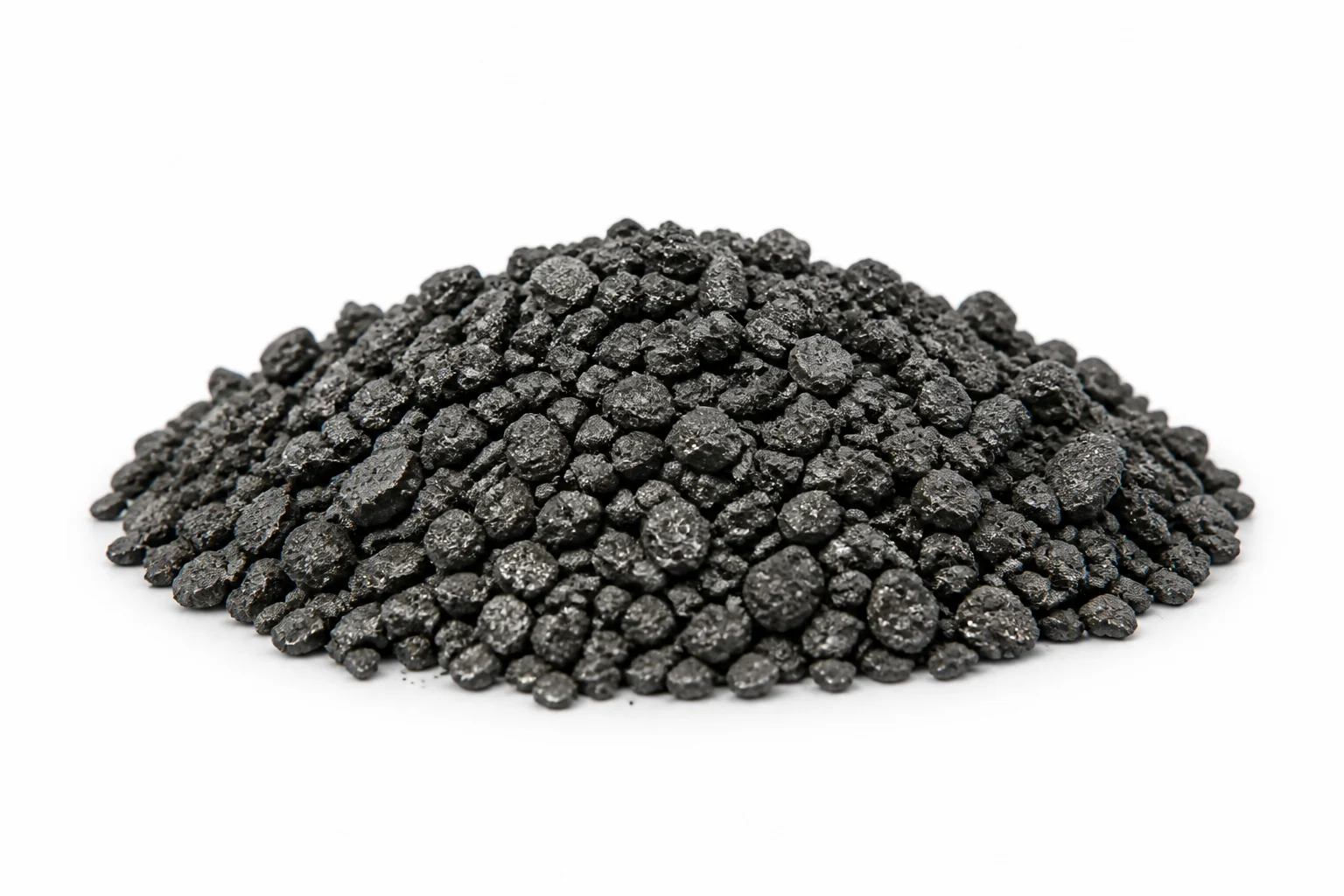
A nitrided-ferrovanadium family identified principally by V, N and an Fe matrix. It may support joint V and N addition after review of the actual grade, nitrogen uniformity and steel nitride design.
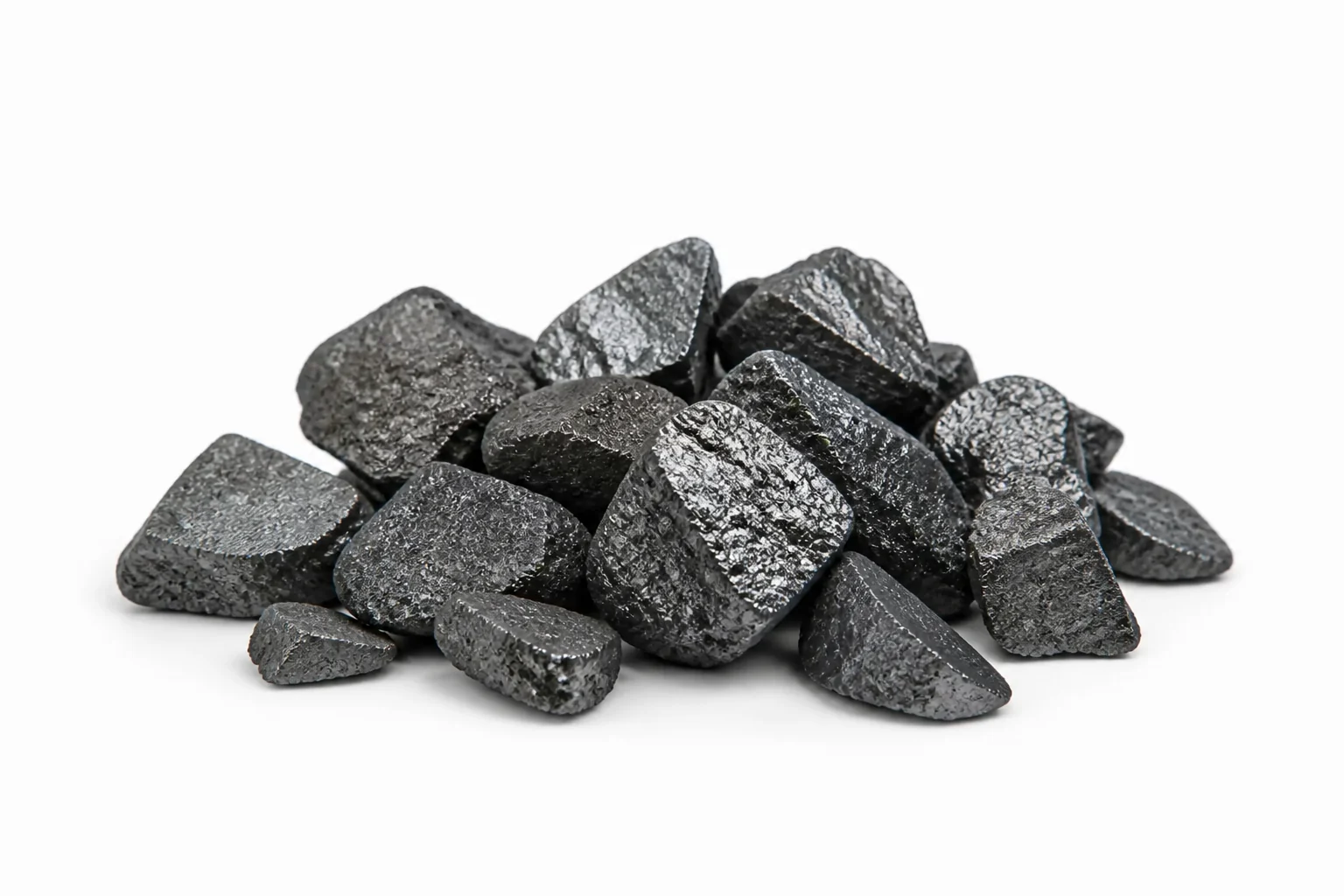
Aliases: Nitrided ferrosilicon for refractories (application grade)
A nitrided-ferrosilicon family identified principally by Si, N and an Fe matrix. Steelmaking grades and separately qualified refractory application grades require independent review of grade, phase, sizing, form, TDS and lot COA.
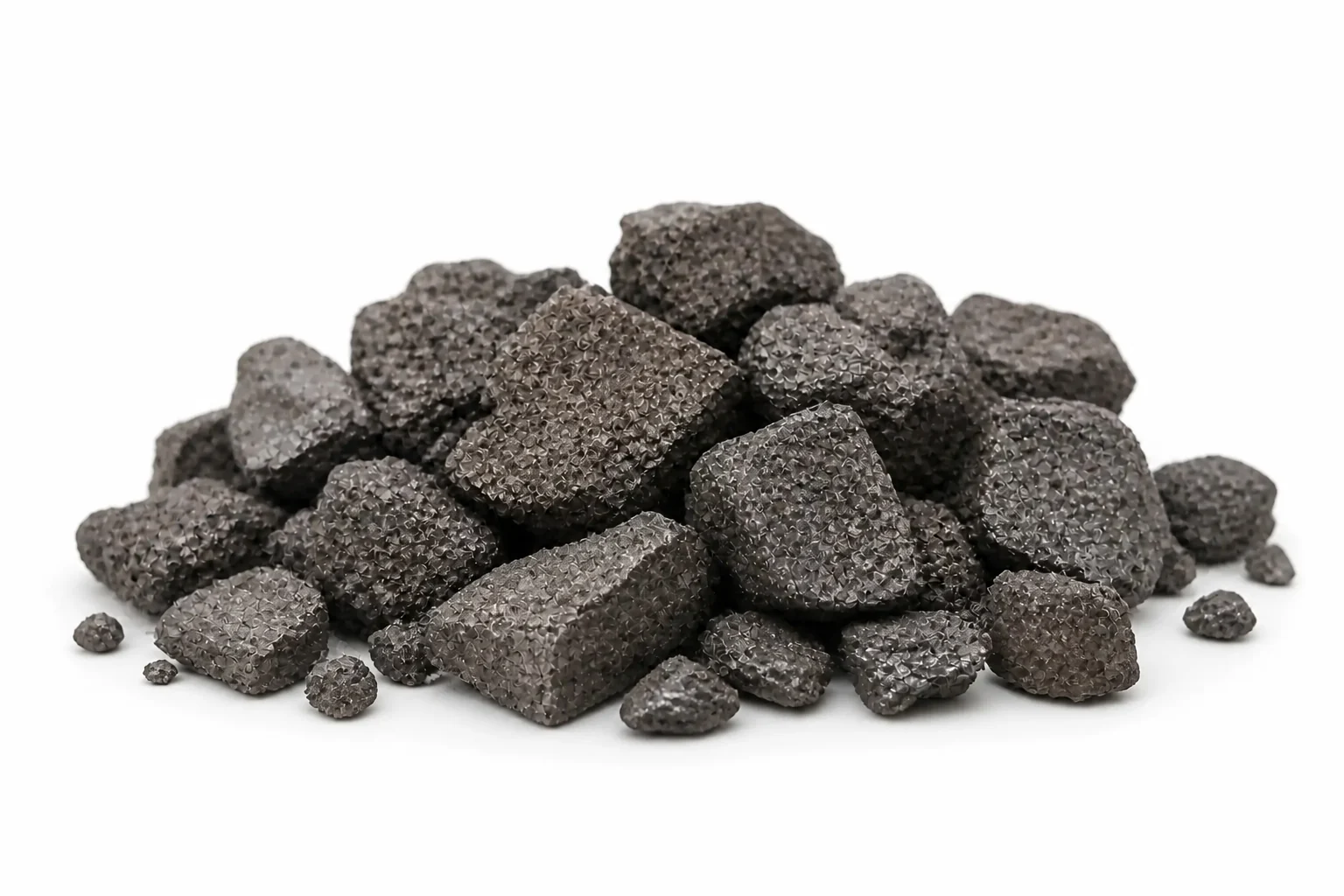
This page explains the product's principal composition, application directions and inquiry points; confirm the grade, guaranteed indicators, sizing, packing and process fit before quotation.
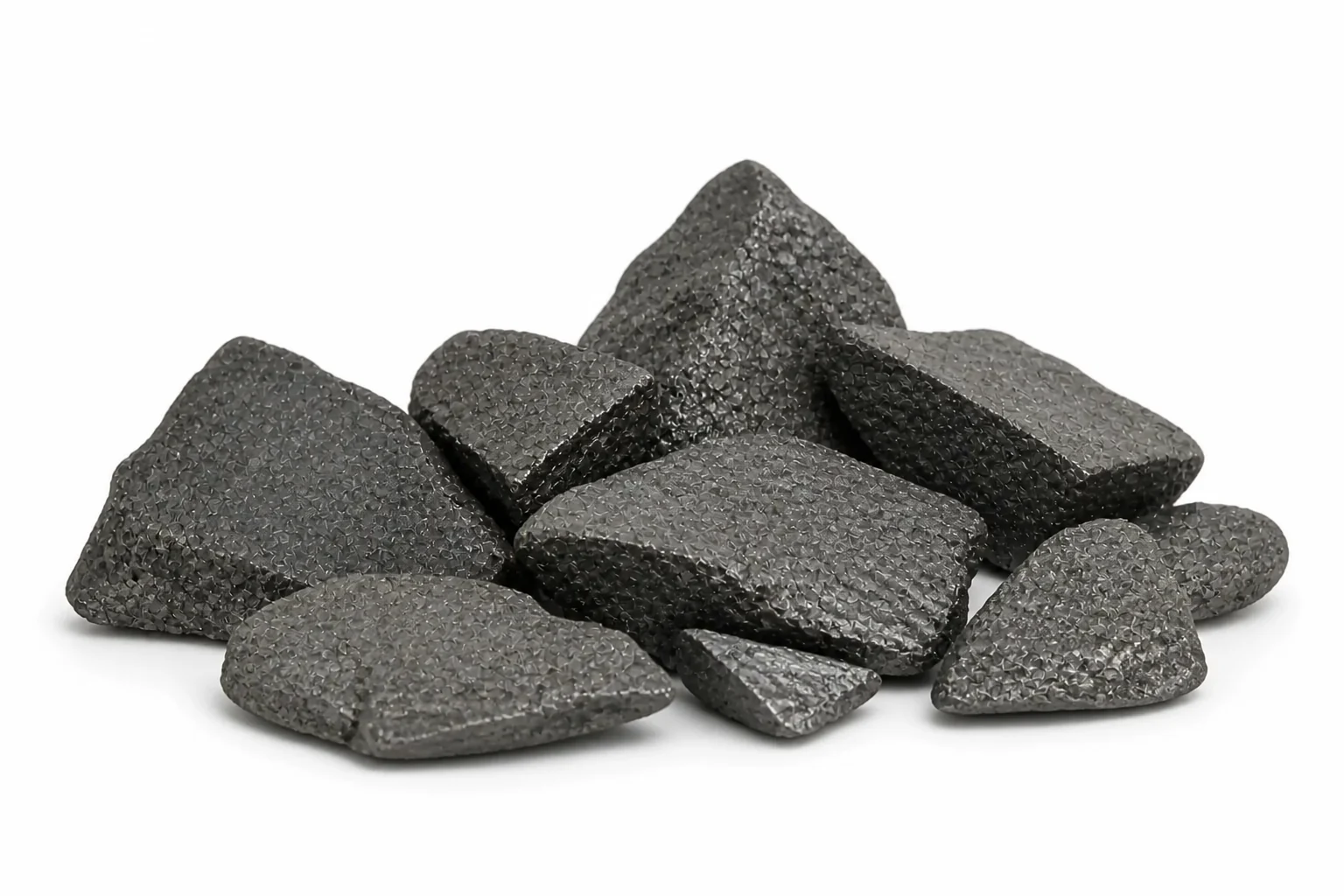
A vanadium-nitrogen alloy family controlled by V, N, C and impurities. It may be used for microalloying after steel, rolling and heat-treatment review; this page promises no fixed strengthening effect.
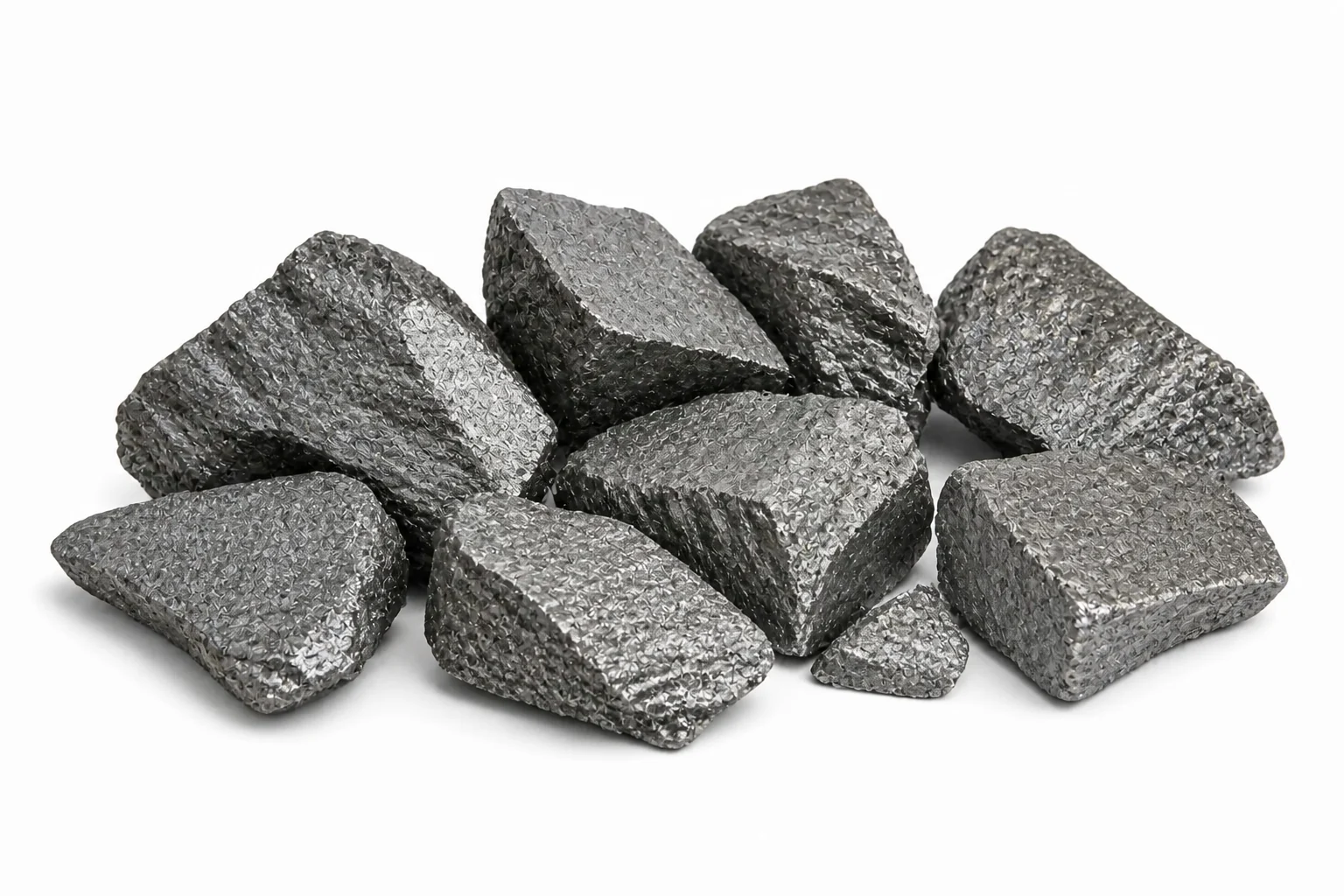
This page explains the product's principal composition, application directions and inquiry points; confirm the grade, guaranteed indicators, sizing, packing and process fit before quotation.
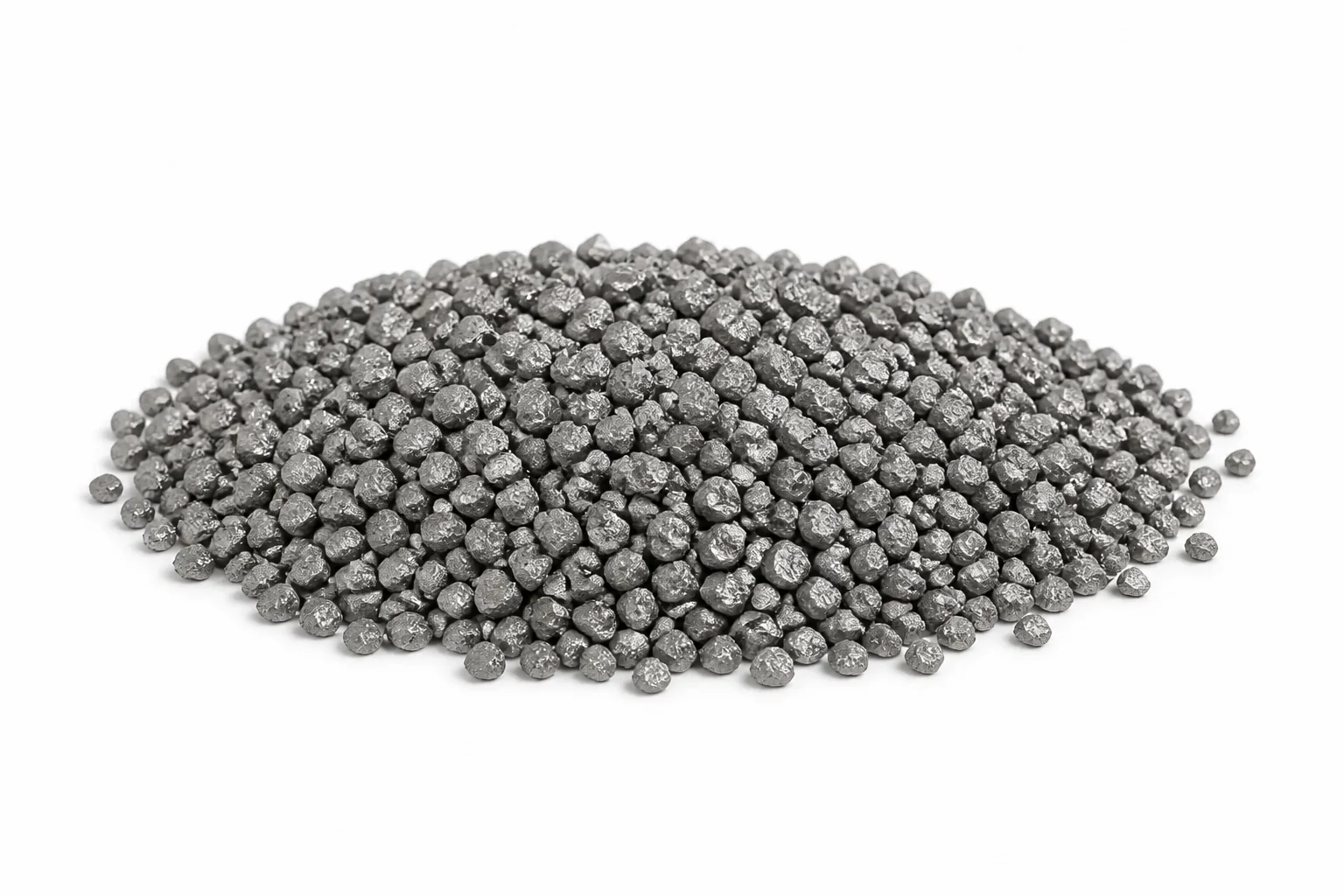
This page explains the product's principal composition, application directions and inquiry points; confirm the grade, guaranteed indicators, sizing, packing and process fit before quotation.
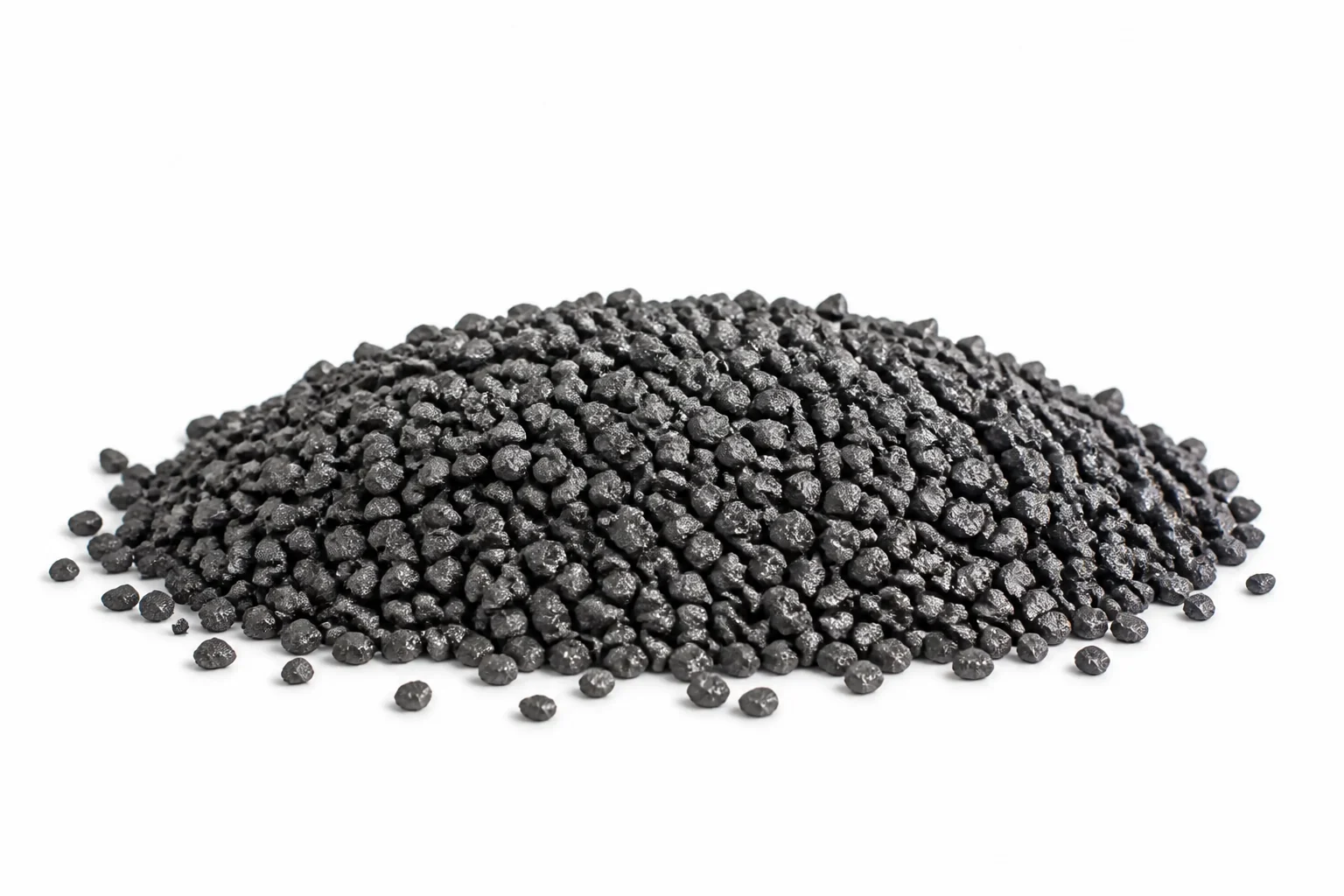
This page explains the product's principal composition, application directions and inquiry points; confirm the grade, guaranteed indicators, sizing, packing and process fit before quotation.
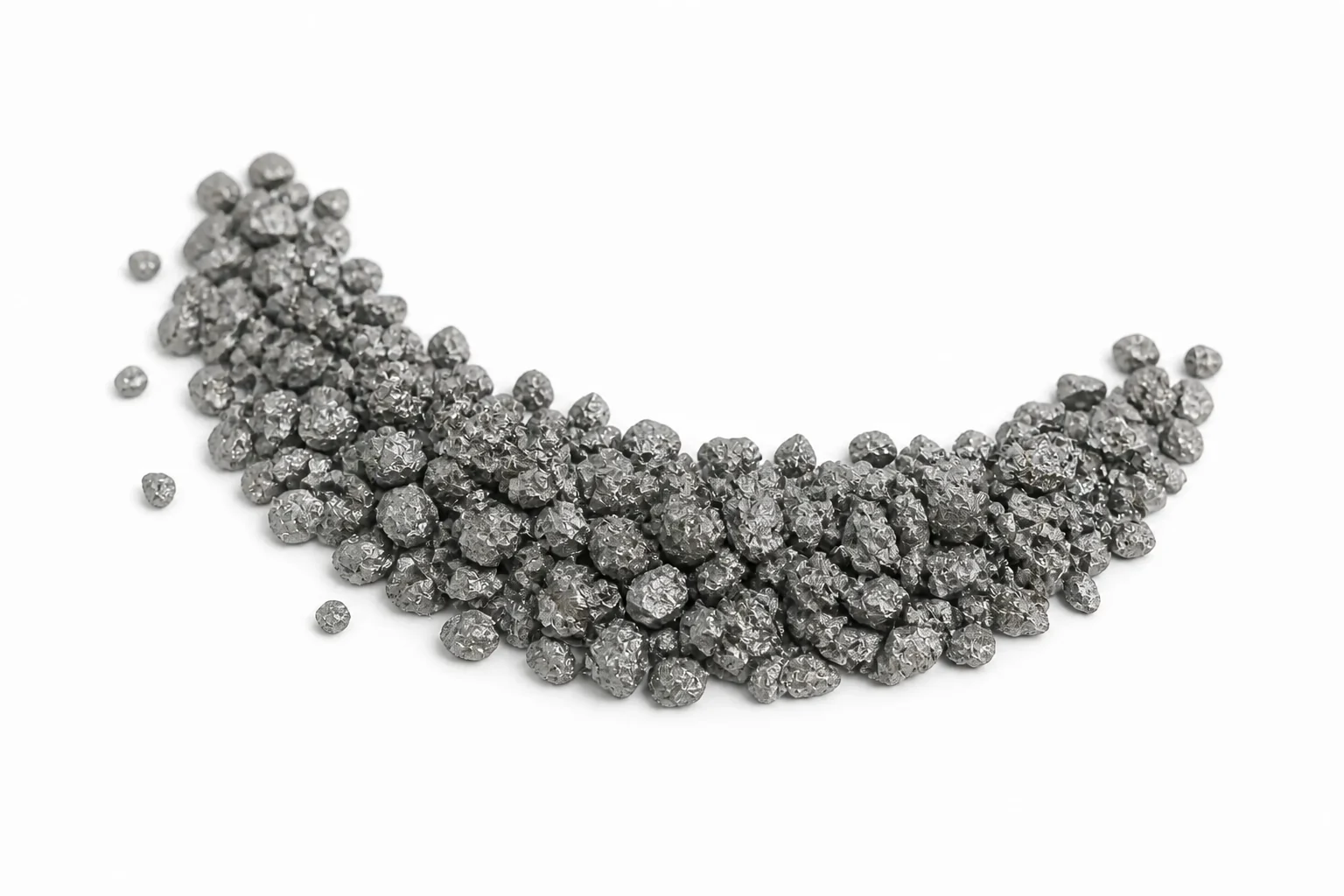
A cast-iron inoculant family identified principally by an FeSi matrix and controlled Sr. It may support graphite nucleation and chill control after base-iron S/O, section, addition point and fade window are validated.
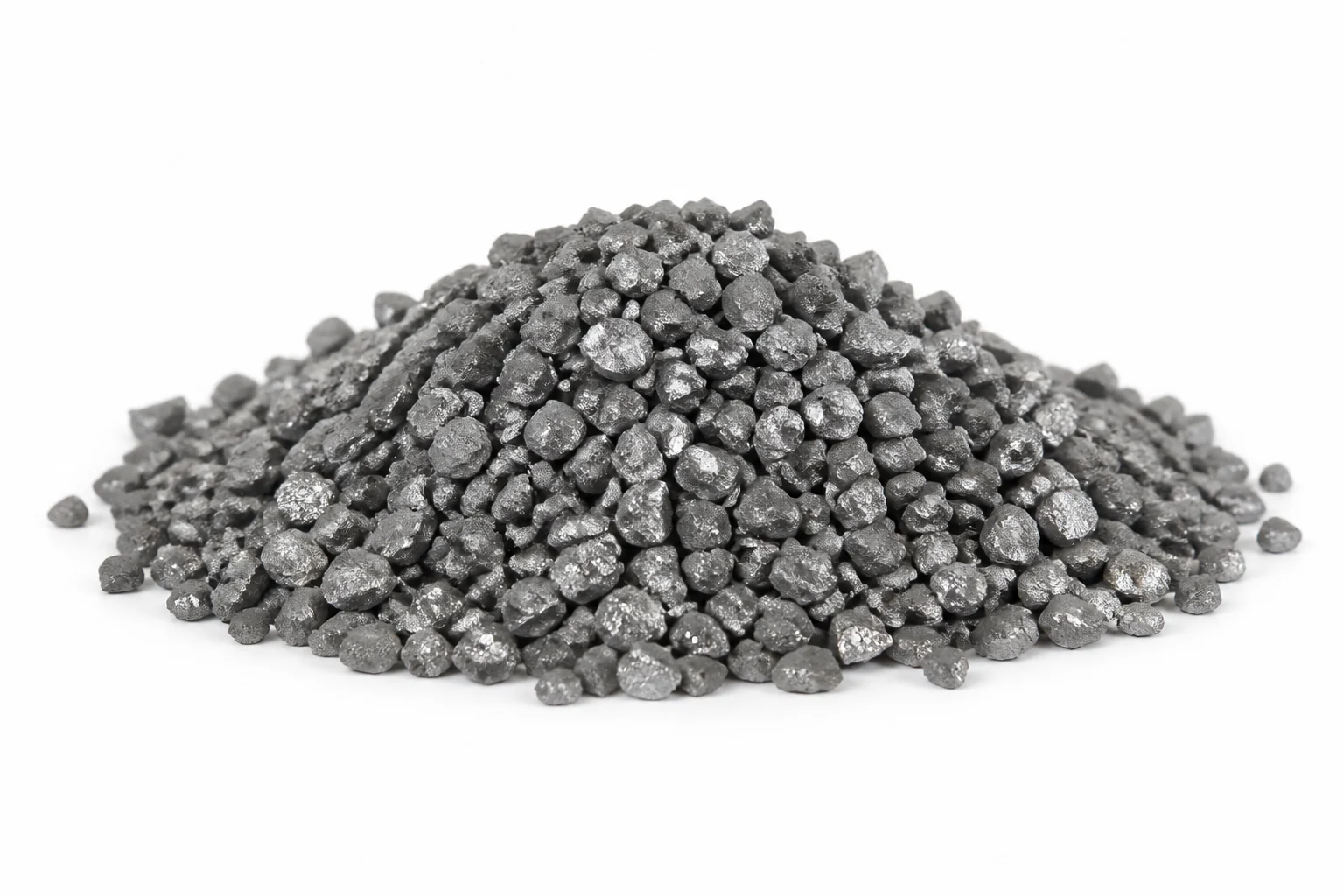
A cast-iron inoculant family identified principally by an FeSi matrix and controlled Zr, for validated graphite nucleation, chill and structure control. The actual Zr system and sizing require SKU confirmation.
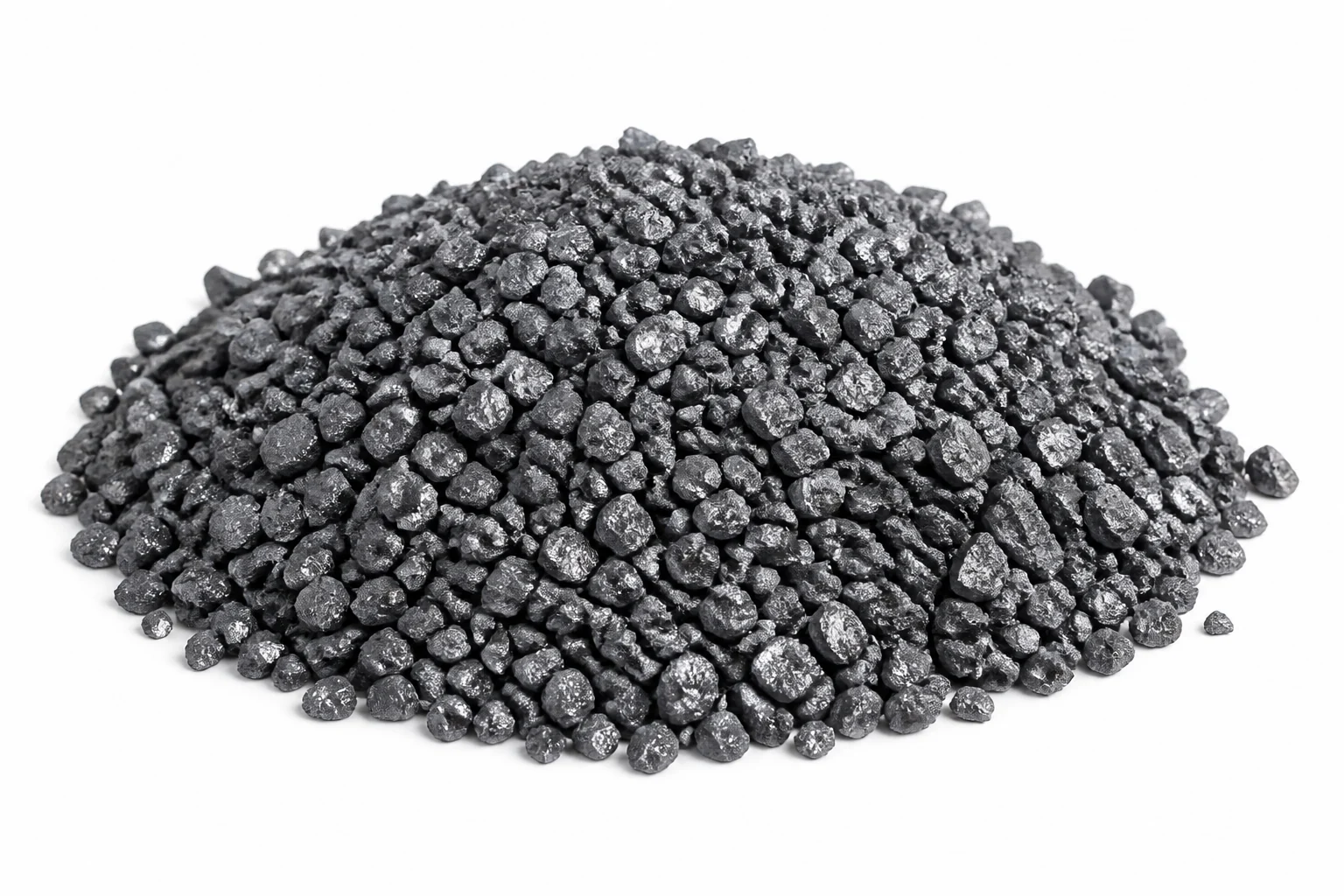
A cast-iron inoculant family identified by an FeSi matrix and declared Ce/La or other rare-earth system. RE species, total, associated elements and applicable iron require SKU-by-SKU validation.
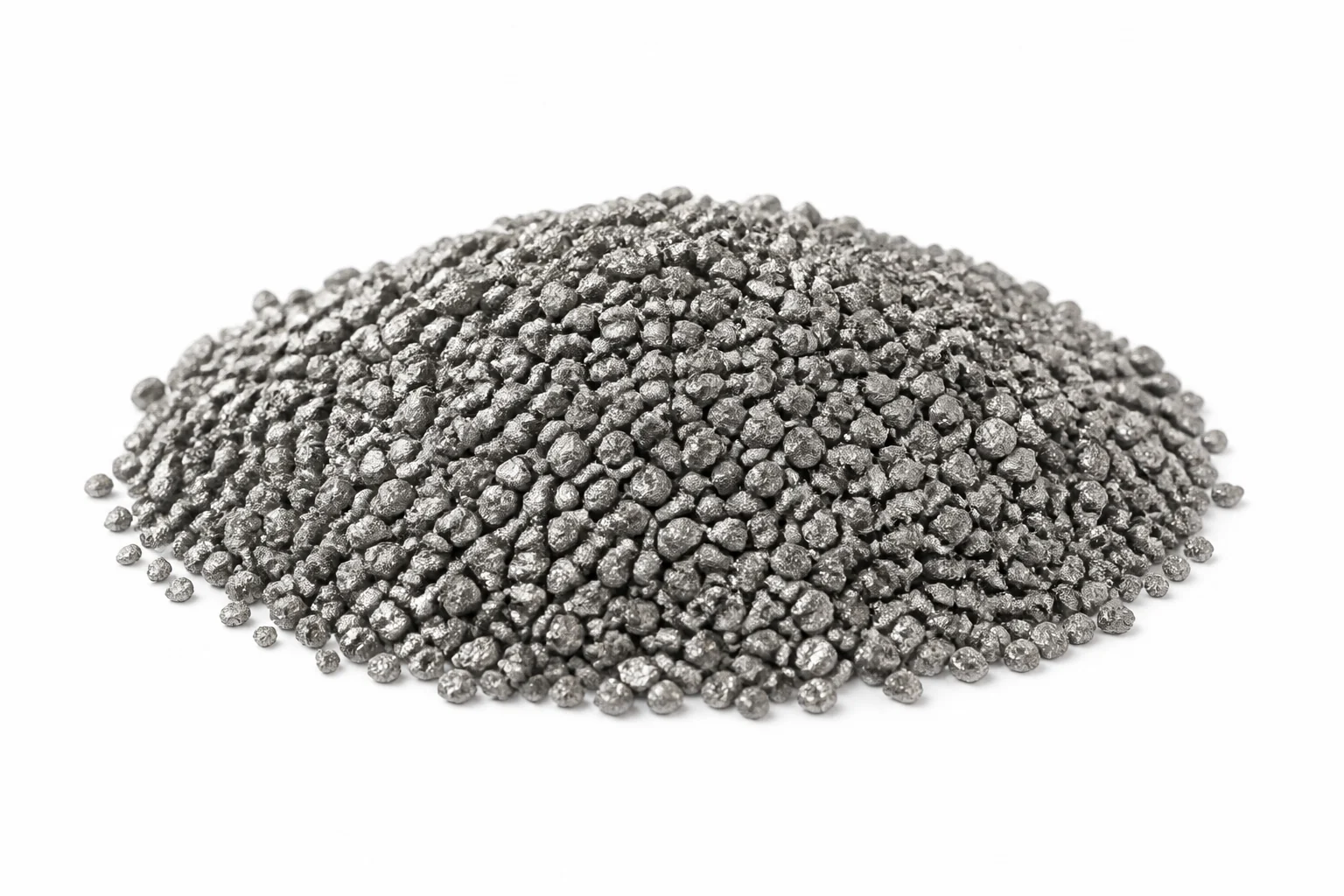
This page explains the product's principal composition, application directions and inquiry points; confirm the grade, guaranteed indicators, sizing, packing and process fit before quotation.
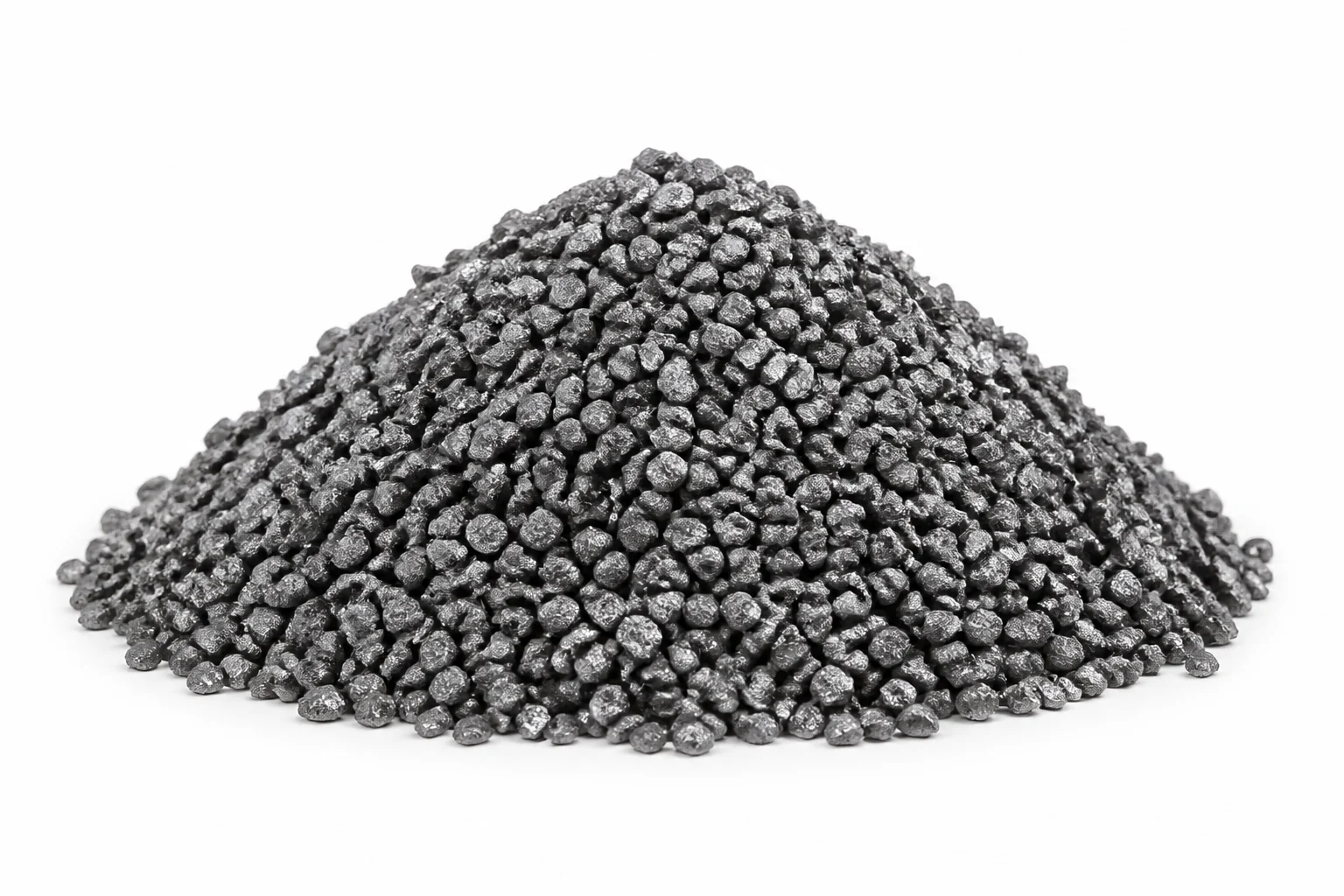
A ductile-iron nodulariser family identified principally by an Mg-FeSi system, without rare earth as a default required component. It is managed separately from rare-earth magnesium-ferrosilicon nodulariser.
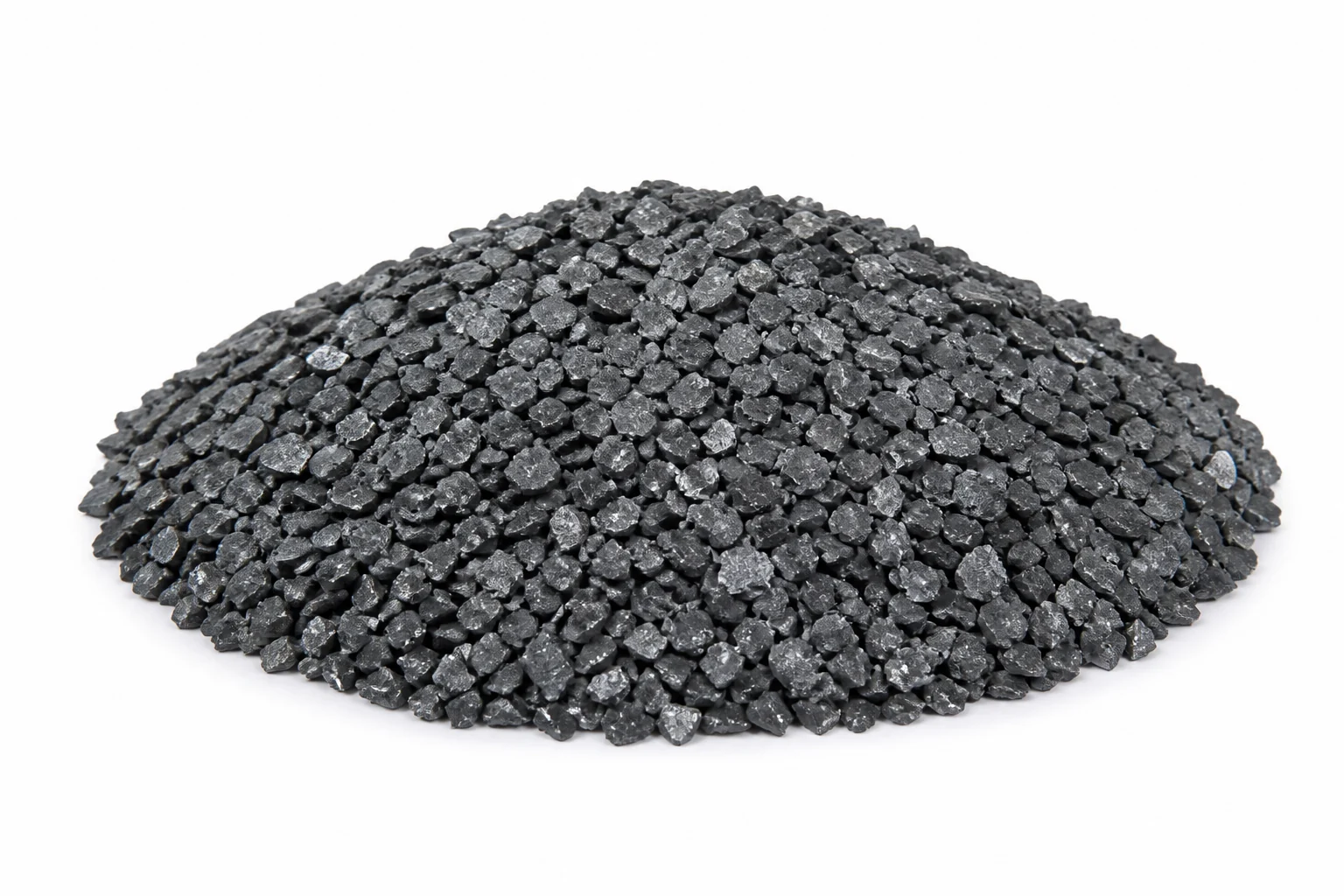
A dedicated Mg-RE-FeSi treatment-alloy family for compacted-graphite iron, controlled by actual formula, base iron, target residual Mg and compacted-graphite rate. The slash in the name denotes market wording within one use family.
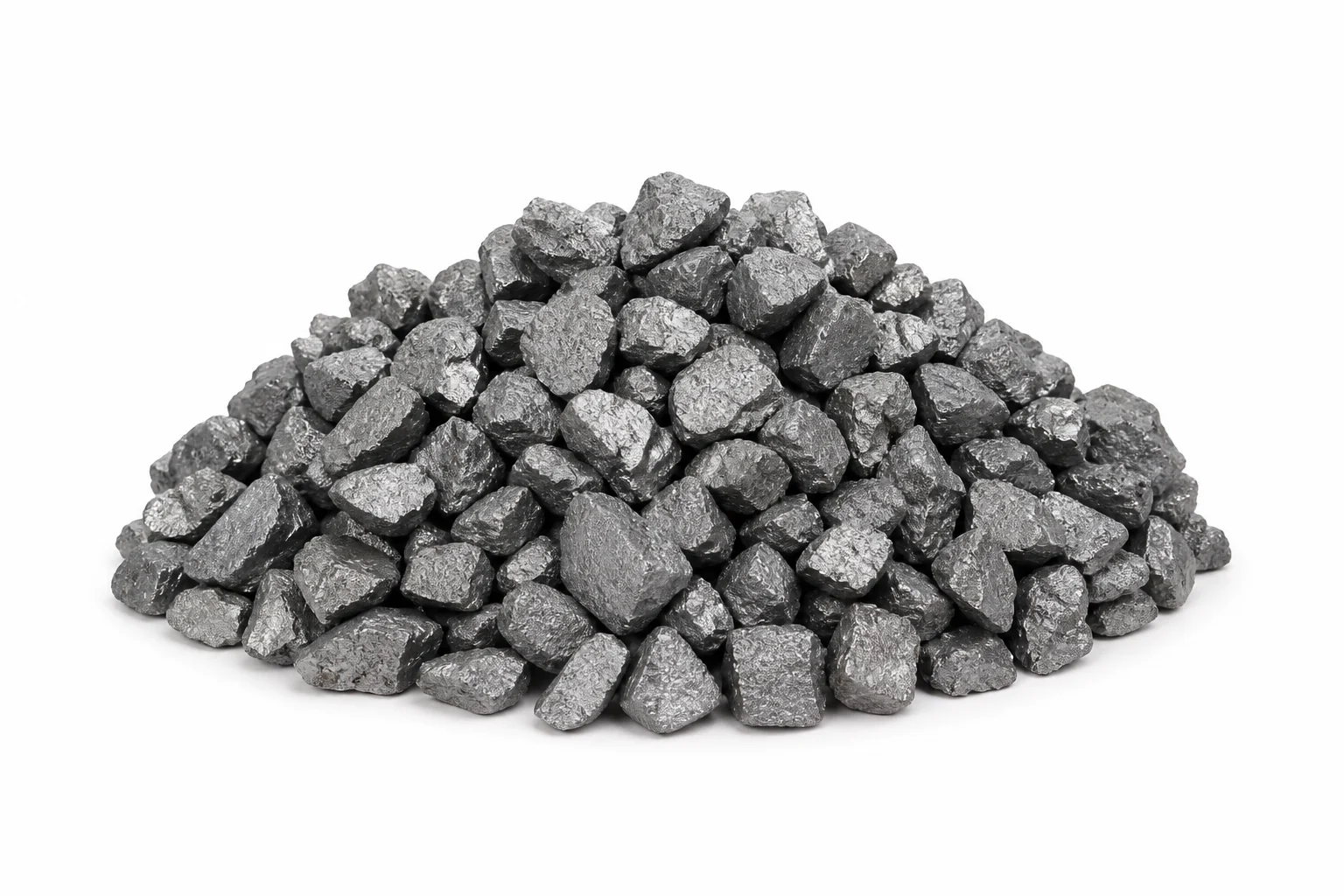
This page explains the product's principal composition, application directions and inquiry points; confirm the grade, guaranteed indicators, sizing, packing and process fit before quotation.
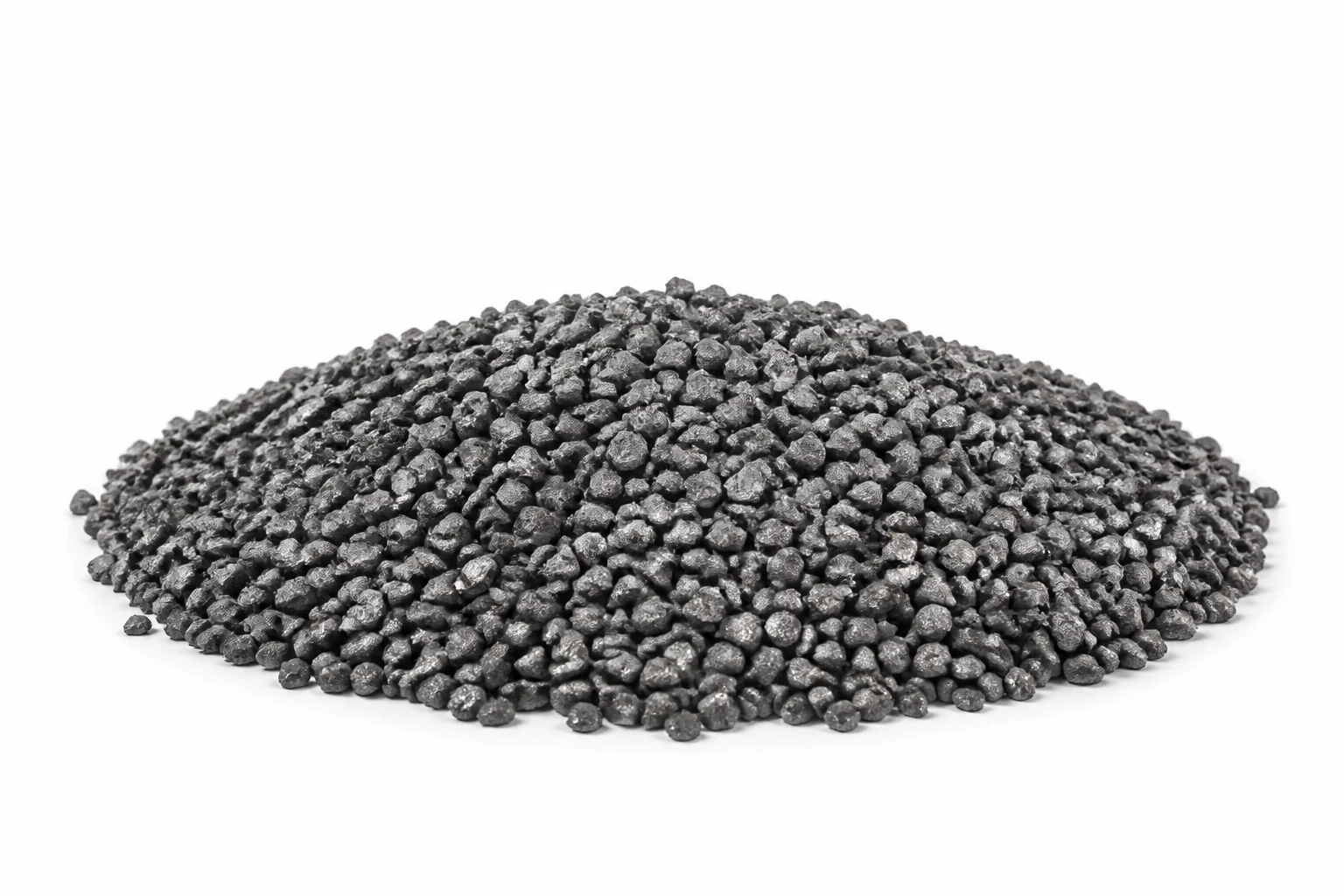
Cast-iron pretreatment agent is a function-managed family name that may involve desulfurisation, melt cleaning, nucleation condition or trace-interference control. Actual formula and mechanism require SKU-by-SKU verification.
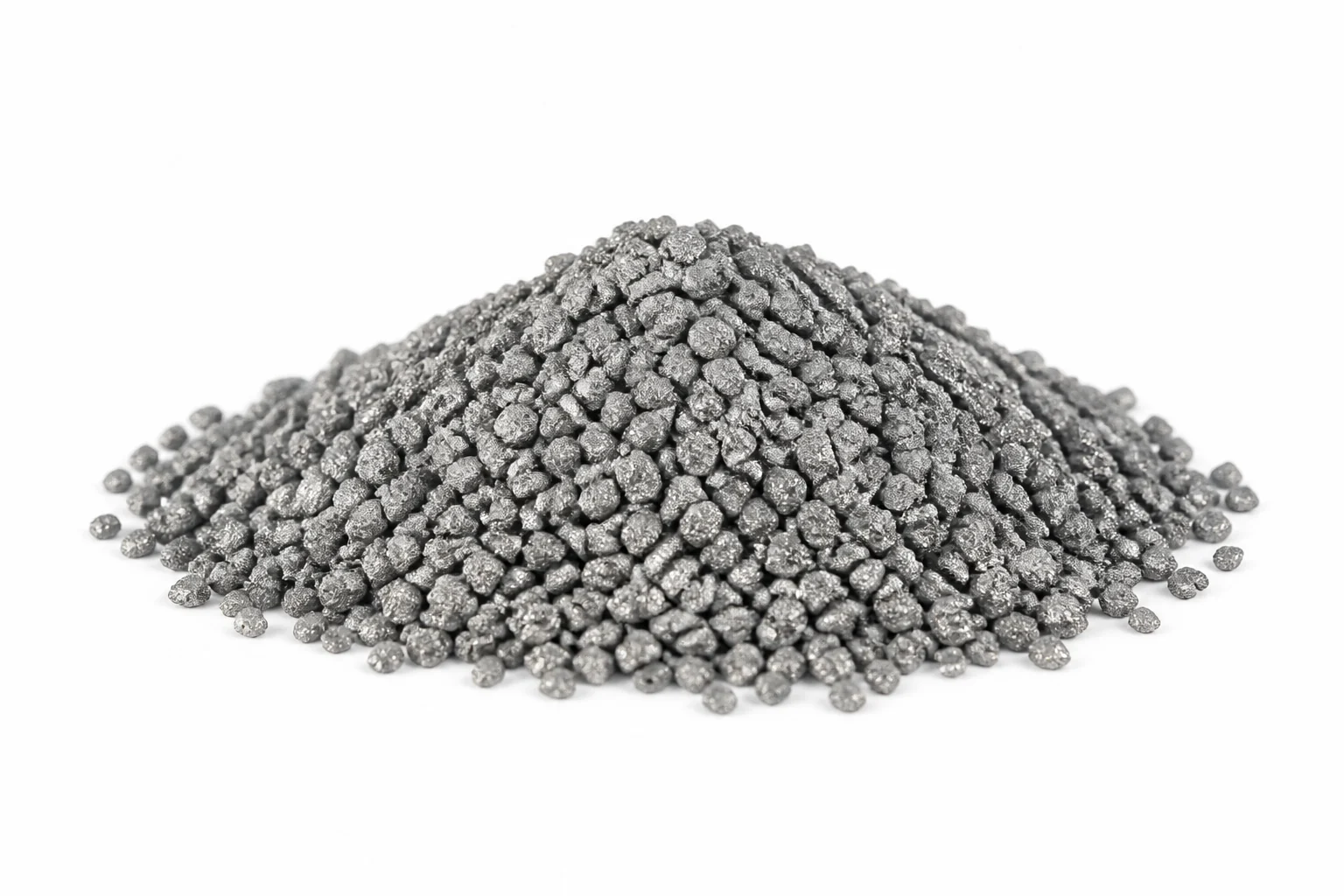
This page explains the product's principal composition, application directions and inquiry points; confirm the grade, guaranteed indicators, sizing, packing and process fit before quotation.
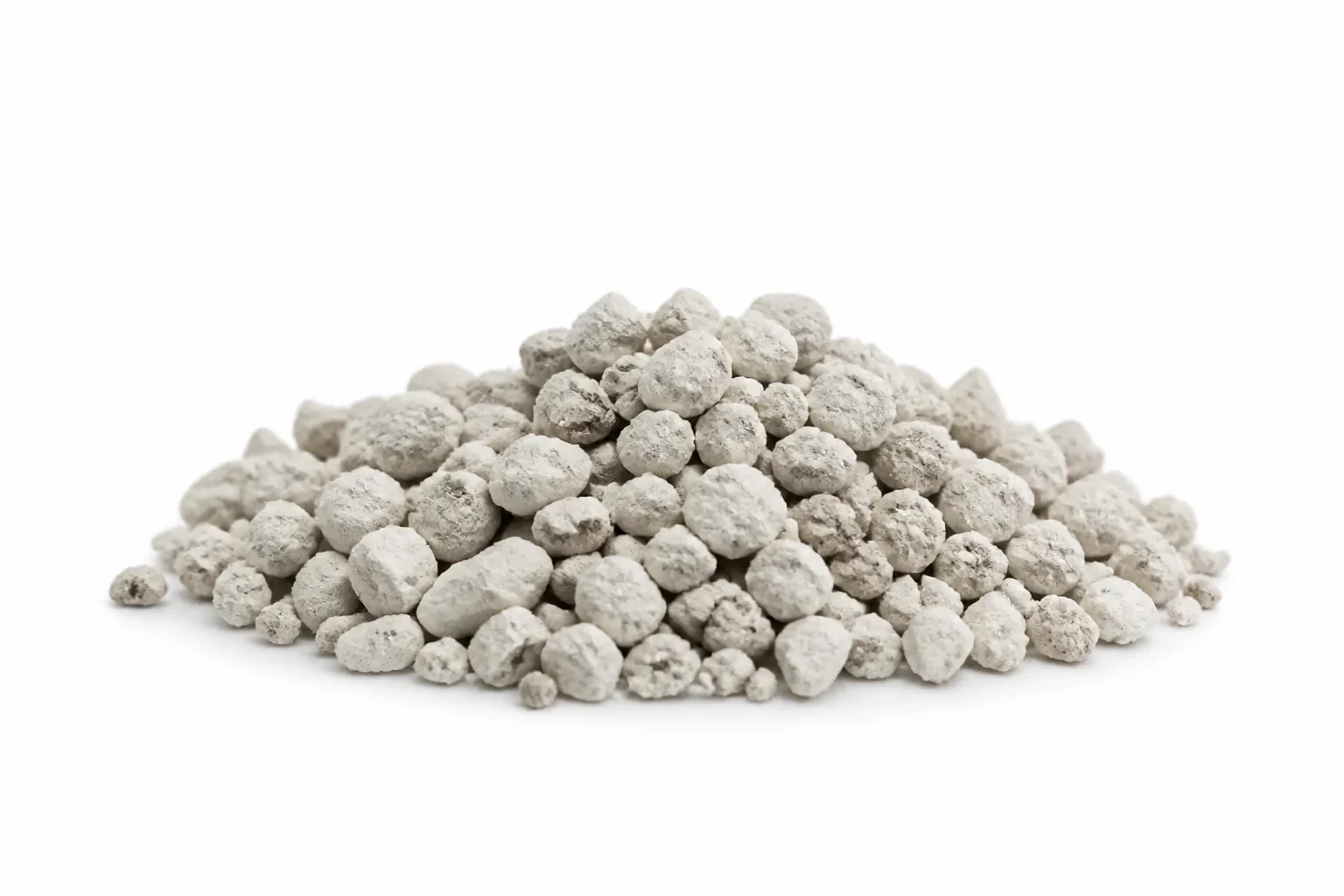
A calcium-based product family for hot-metal desulfurization before BOF steelmaking; the actual system, sizing, carrier gas and injection equipment must be matched through formal process documents.
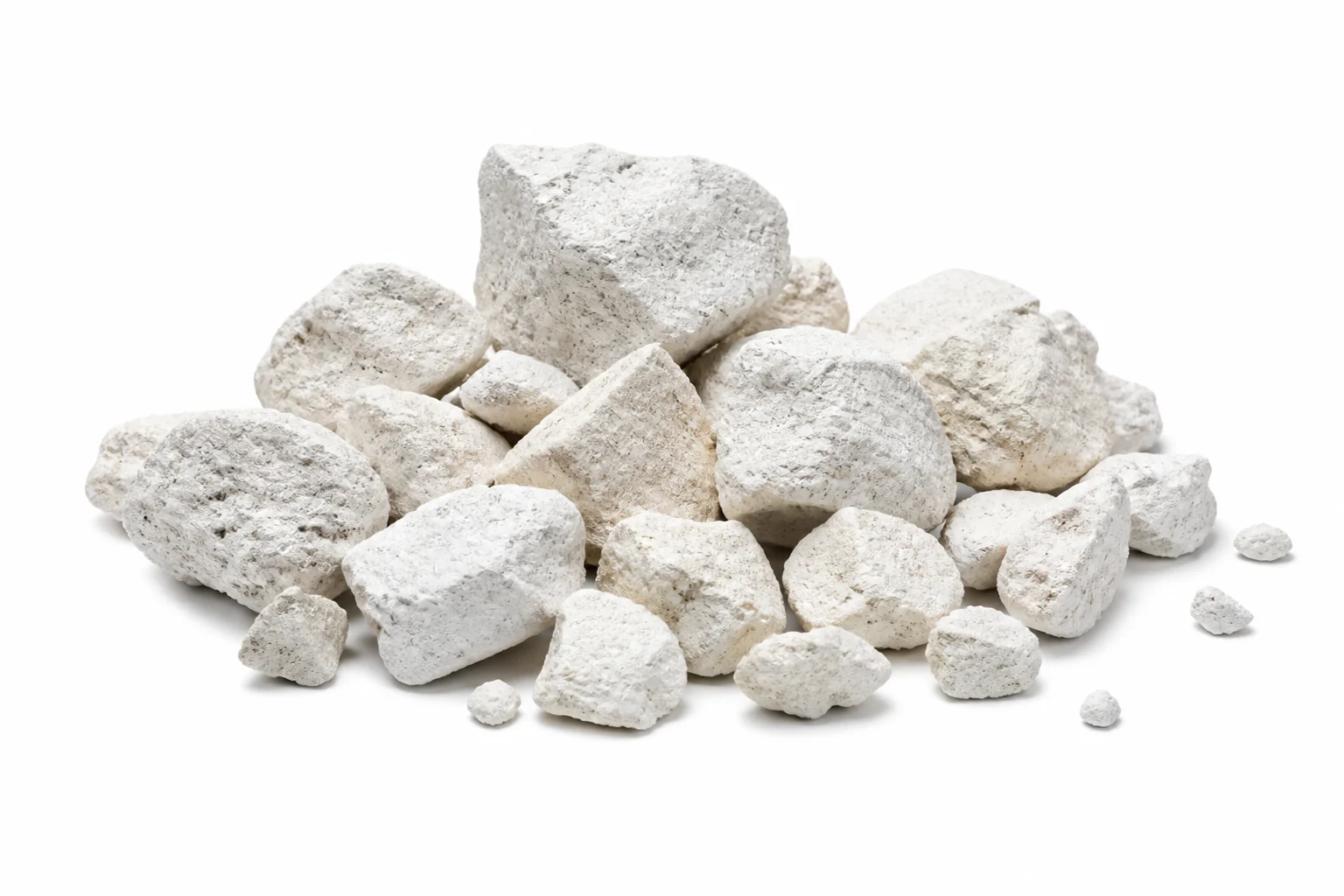
A calcined-lime family for slag formation and basicity management in BOF, EAF and ladle metallurgy; reactivity, burn condition, sizing and handling state must be confirmed for the use point.
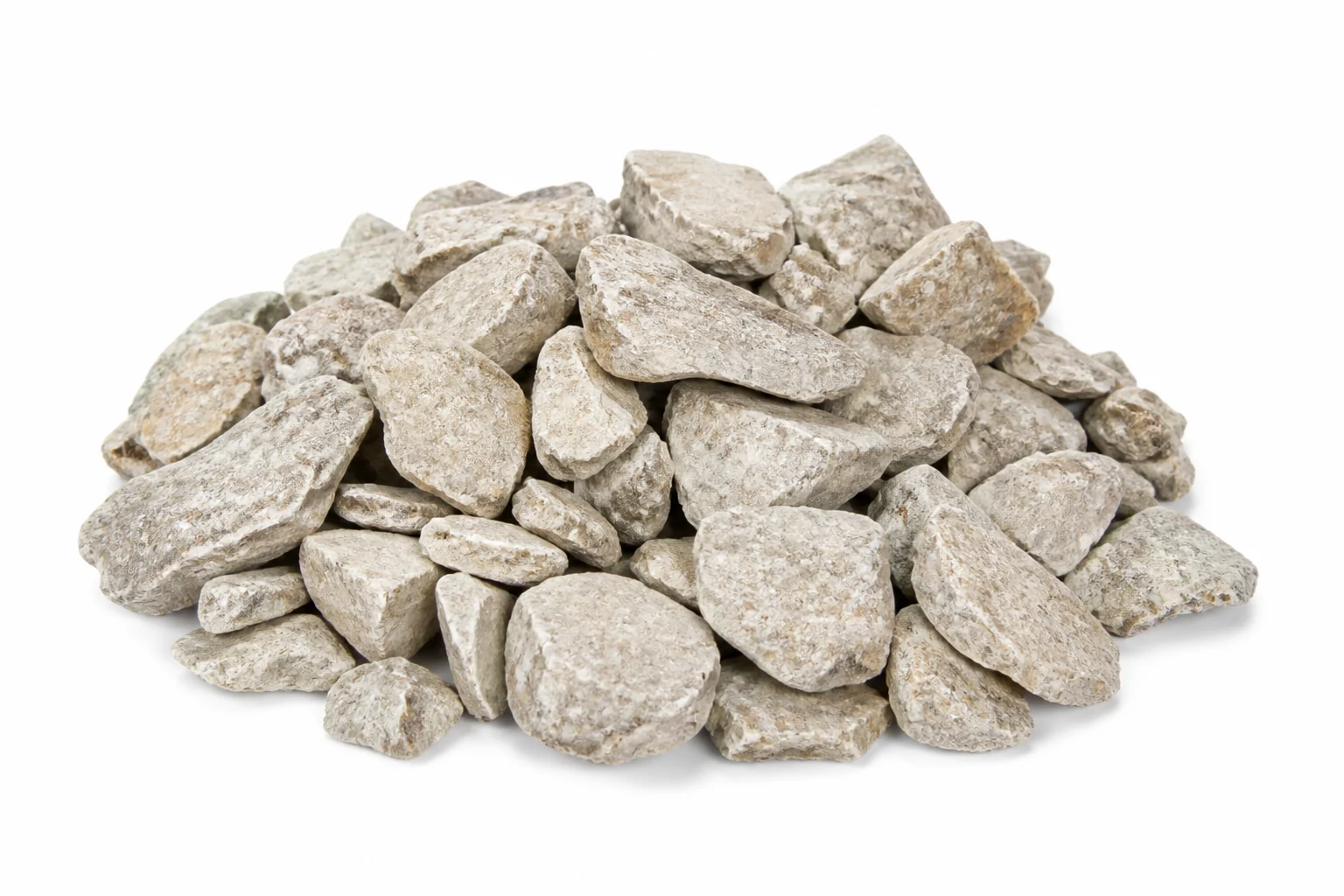
A natural-dolomite family used as a candidate slag former and MgO source in steelmaking; mineral identity, loss on ignition, sizing and calcination state must be explicit in purchasing documents.
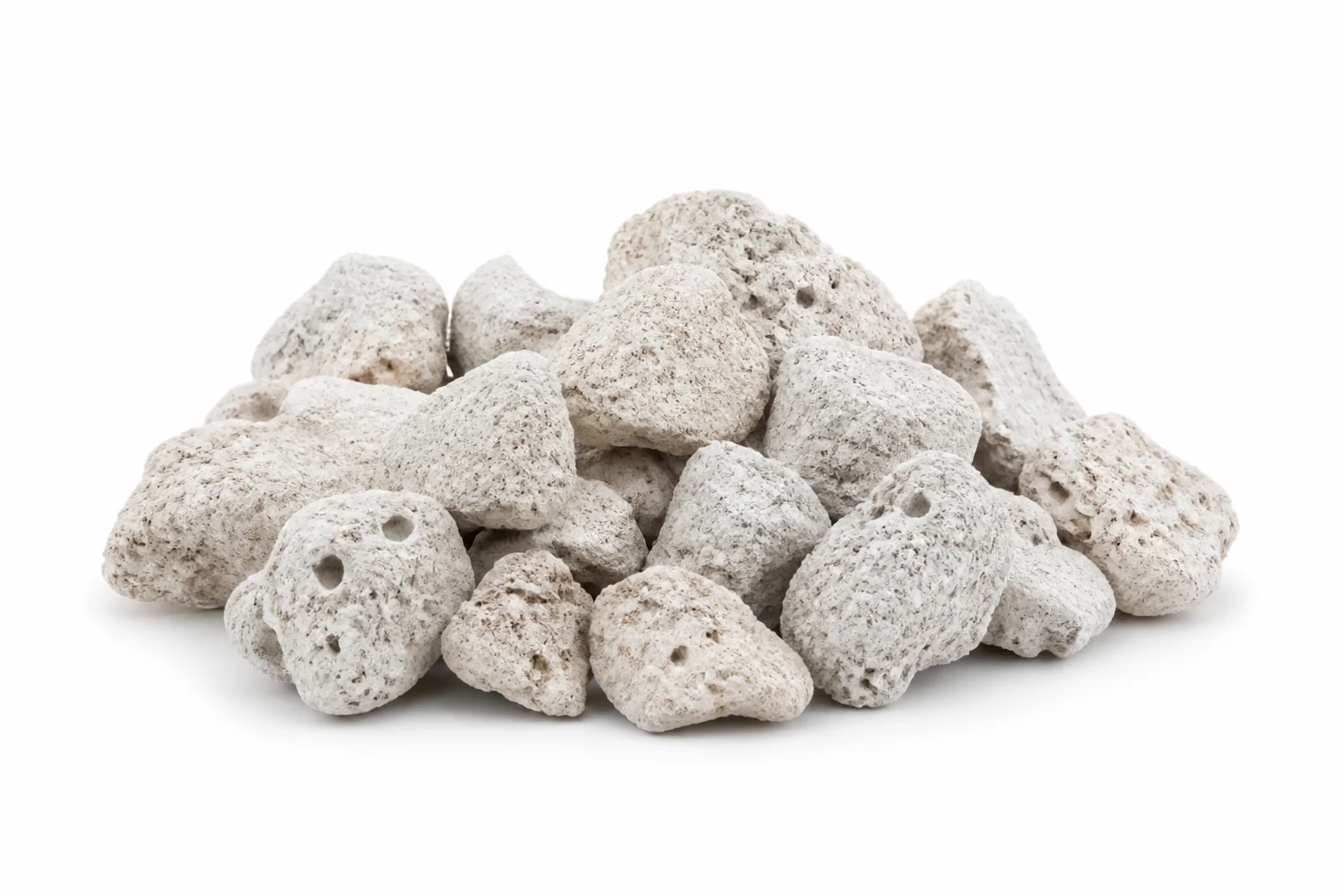
A dolomitic steelmaking auxiliary produced by controlled light calcination and used as a more reactive CaO/MgO source; feed mineral, calcination state, reactivity and storage life require supplier documentation.
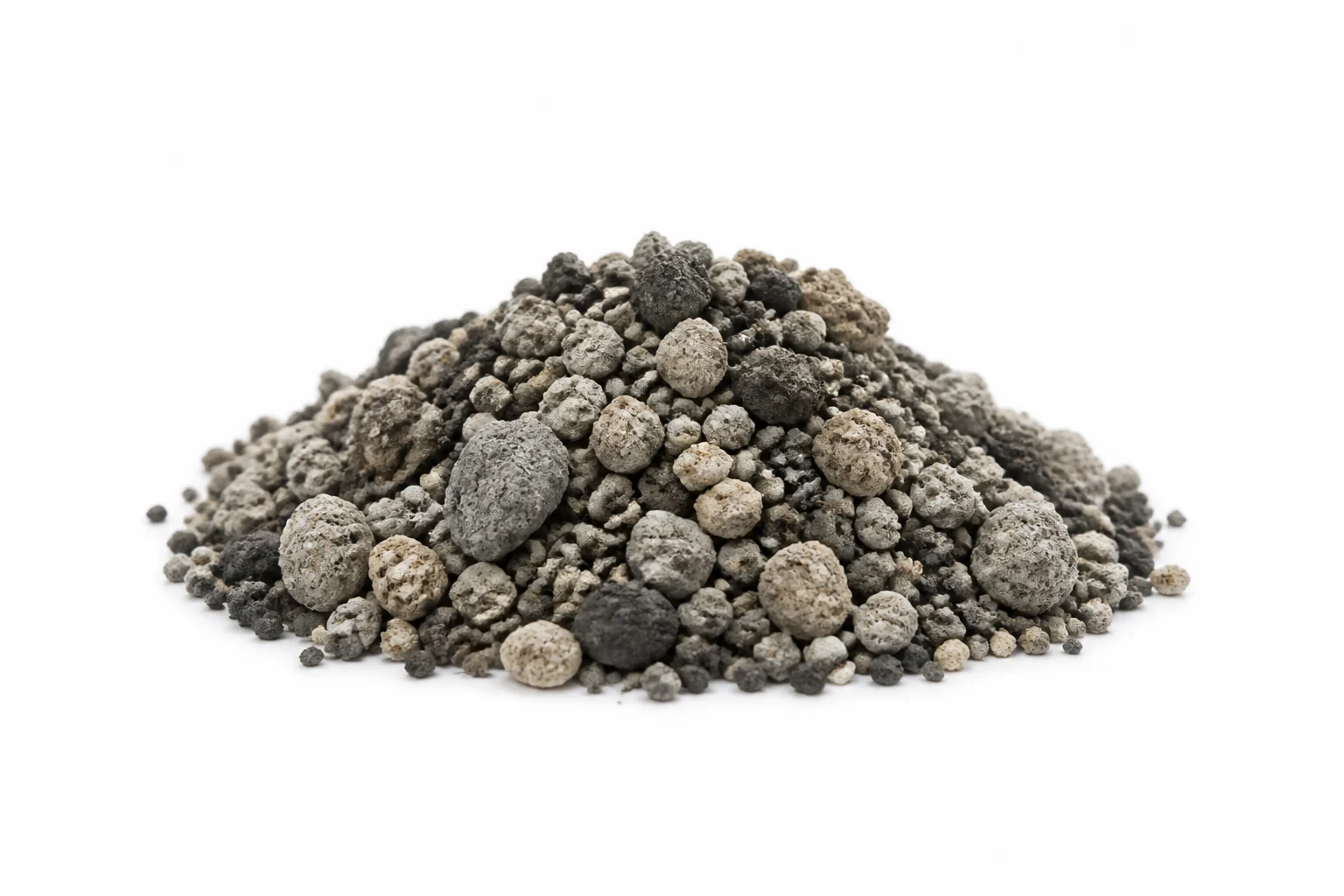
A functional product family used to change slag fluidity, oxidation state, chemistry or foaming behaviour for a specific furnace and objective; formulations sharing the name are not automatically interchangeable.
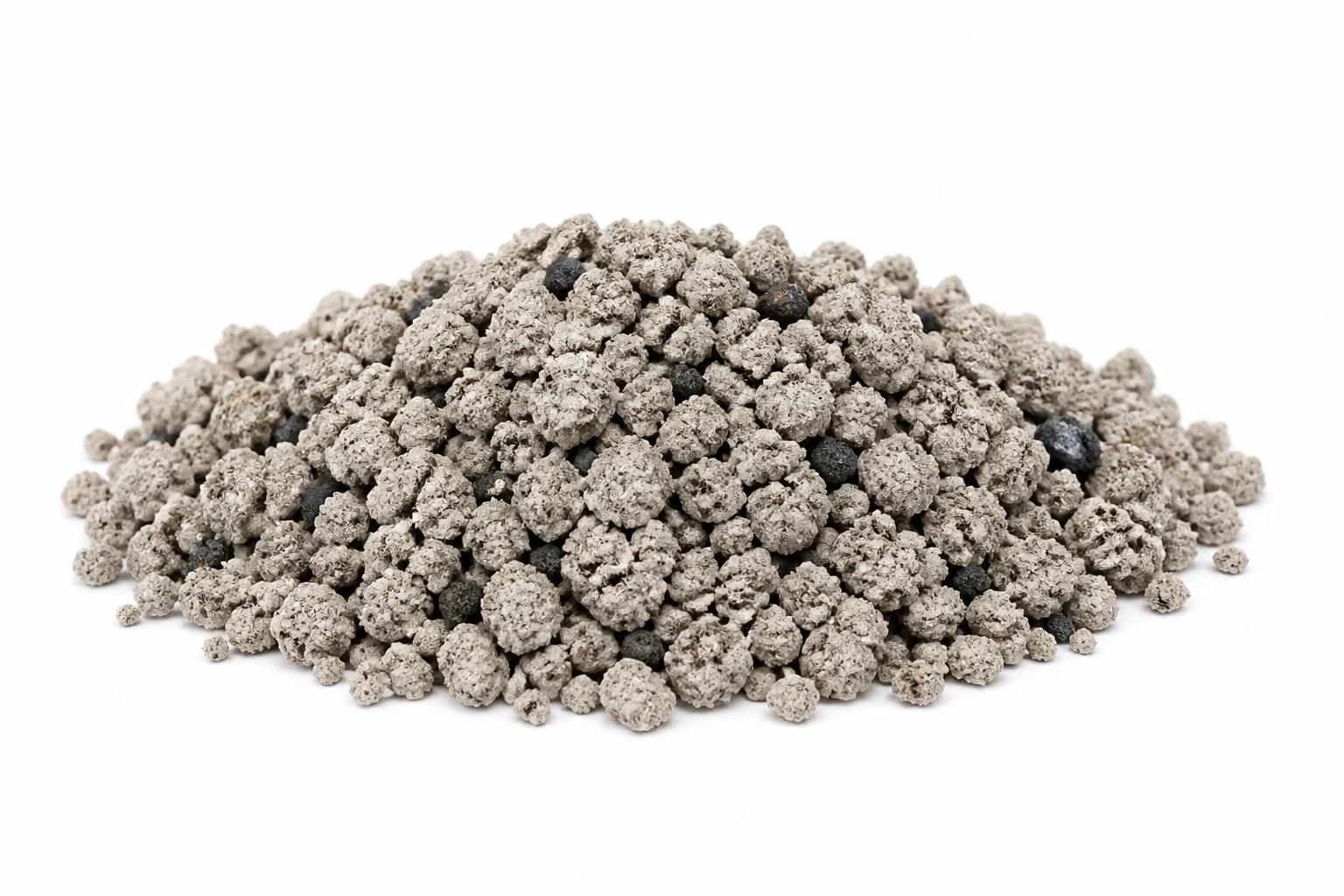
A covering-material family spread over the ladle bath or slag surface to reduce heat loss and help isolate air; absorbent, insulating and combined formulations require separate confirmation.
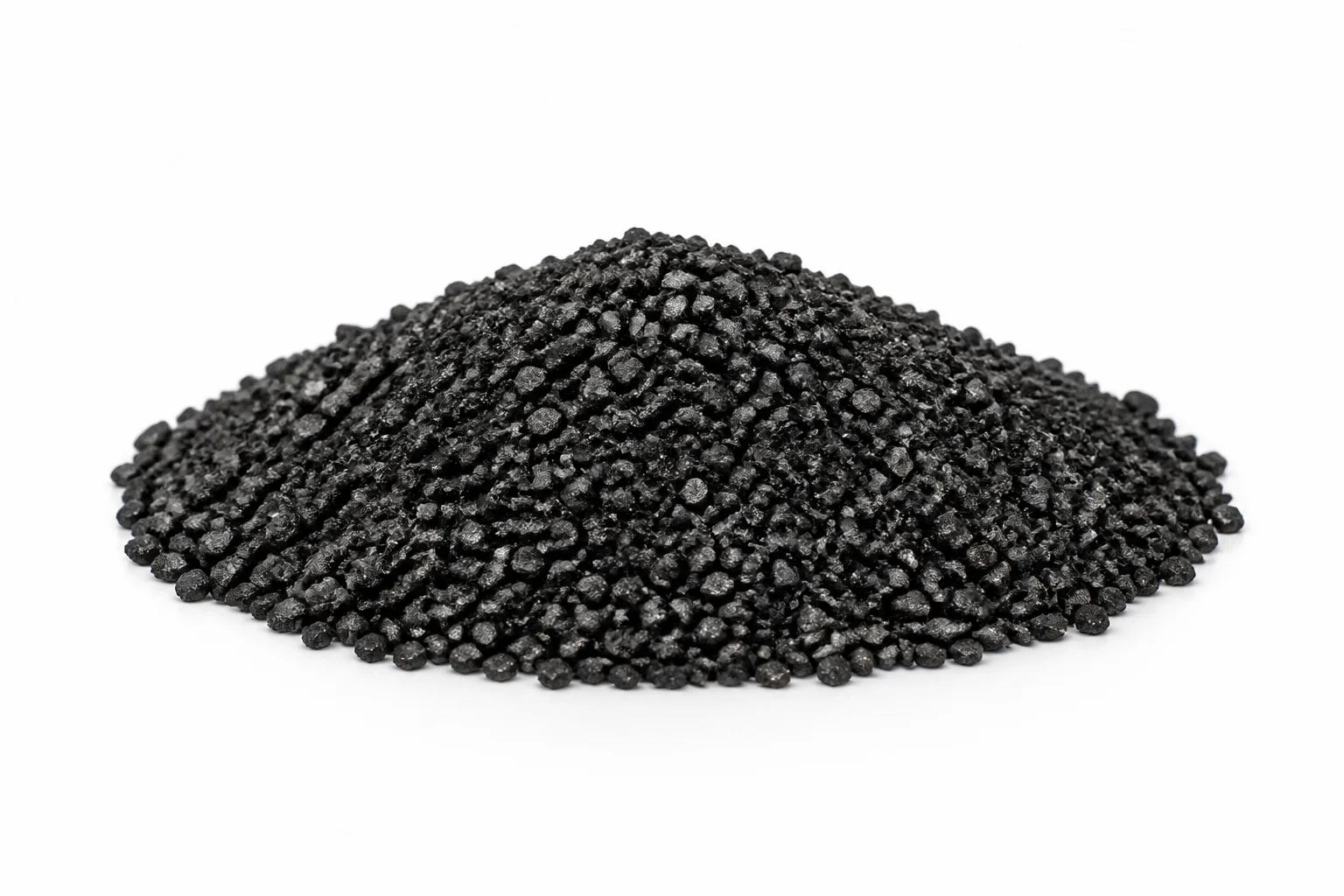
An injection-carbon family for EAF foamy-slag practice, requiring joint acceptance of fixed carbon, ash, volatiles, sulfur, sizing, conveyability and the injection system.
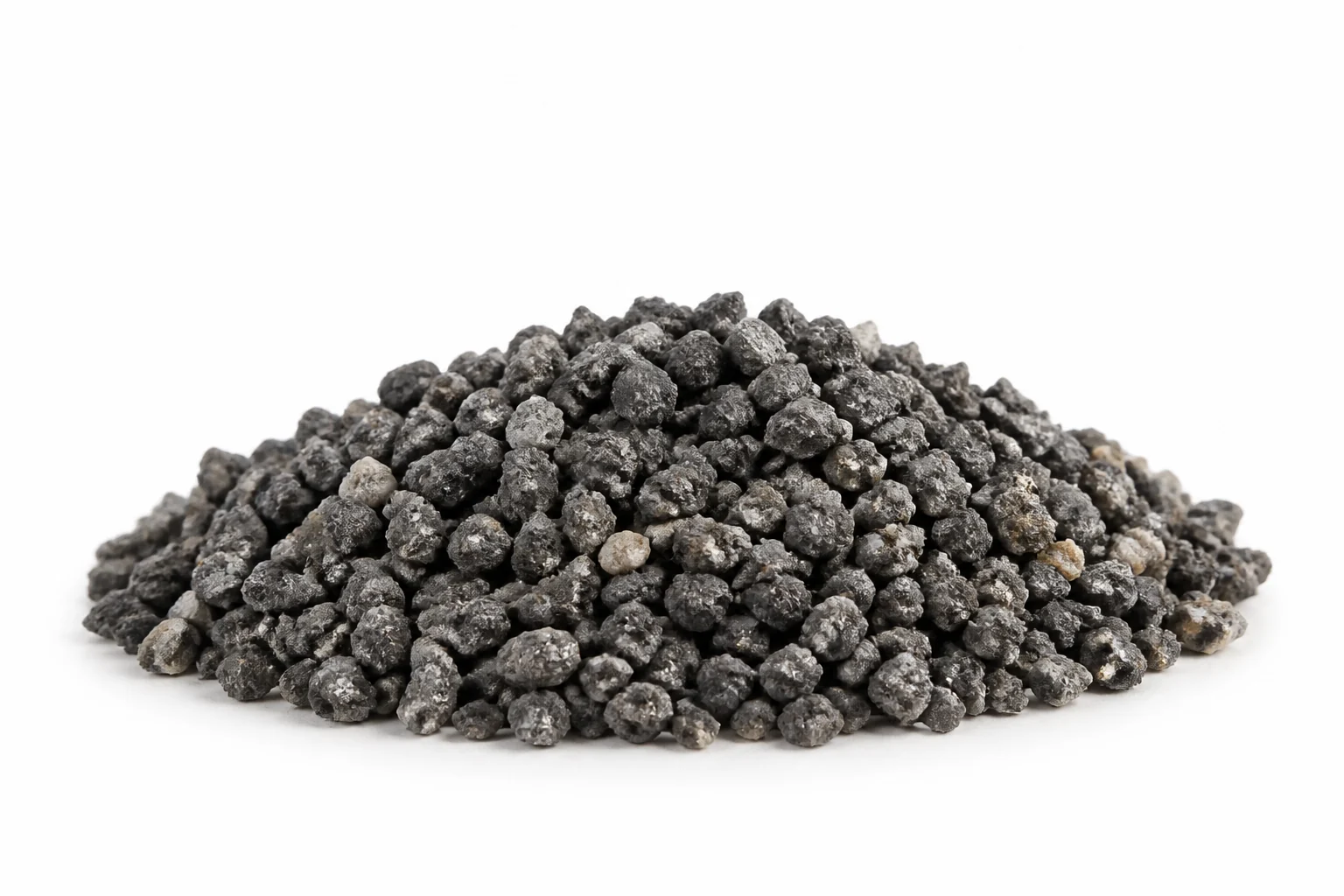
A dedicated slag-treatment family used to lower ladle top-slag oxidation, potentially aluminium-based or another verified system; its target is the slag, not a replacement for steel-bath deoxidation practice.
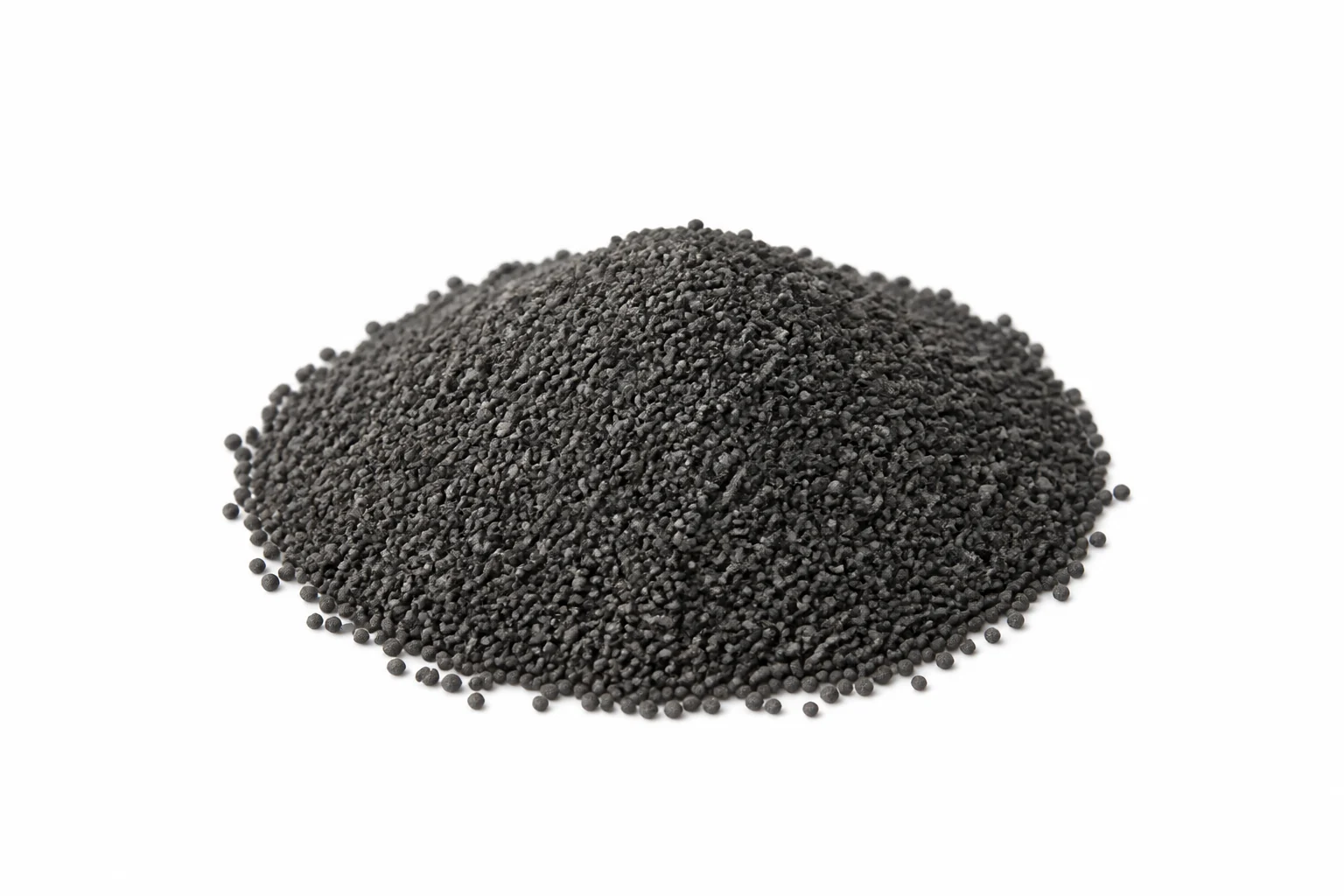
A dedicated flux family continuously added to the mould surface for coordinated coverage, lubrication, heat transfer and inclusion absorption; selection must match steel grade, section, casting speed and mould heat flux.
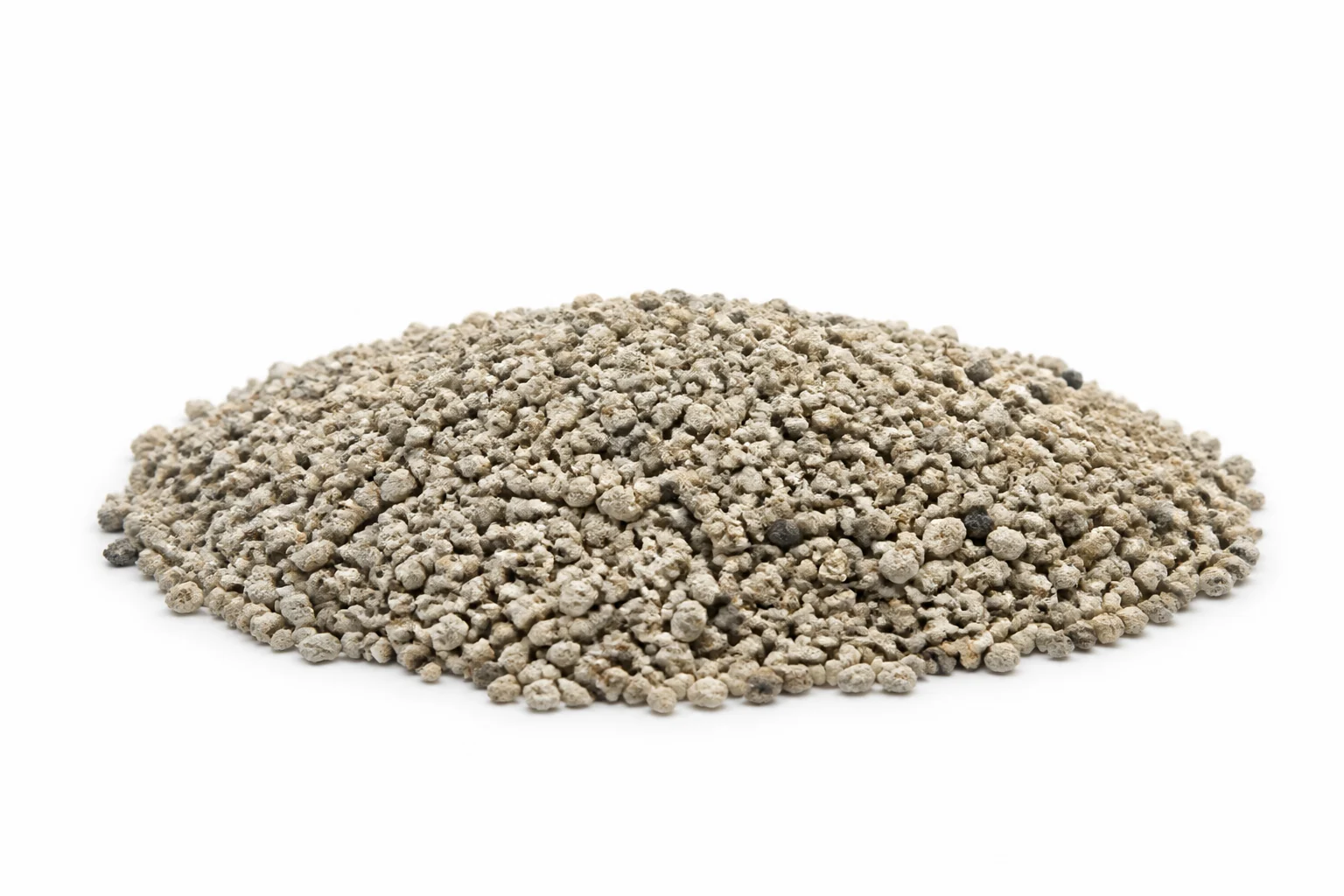
A covering-powder family used to insulate tundish steel, isolate air and—depending on formulation—assist inclusion absorption; acidic, basic or dual-layer systems must match steel grade and refractories.
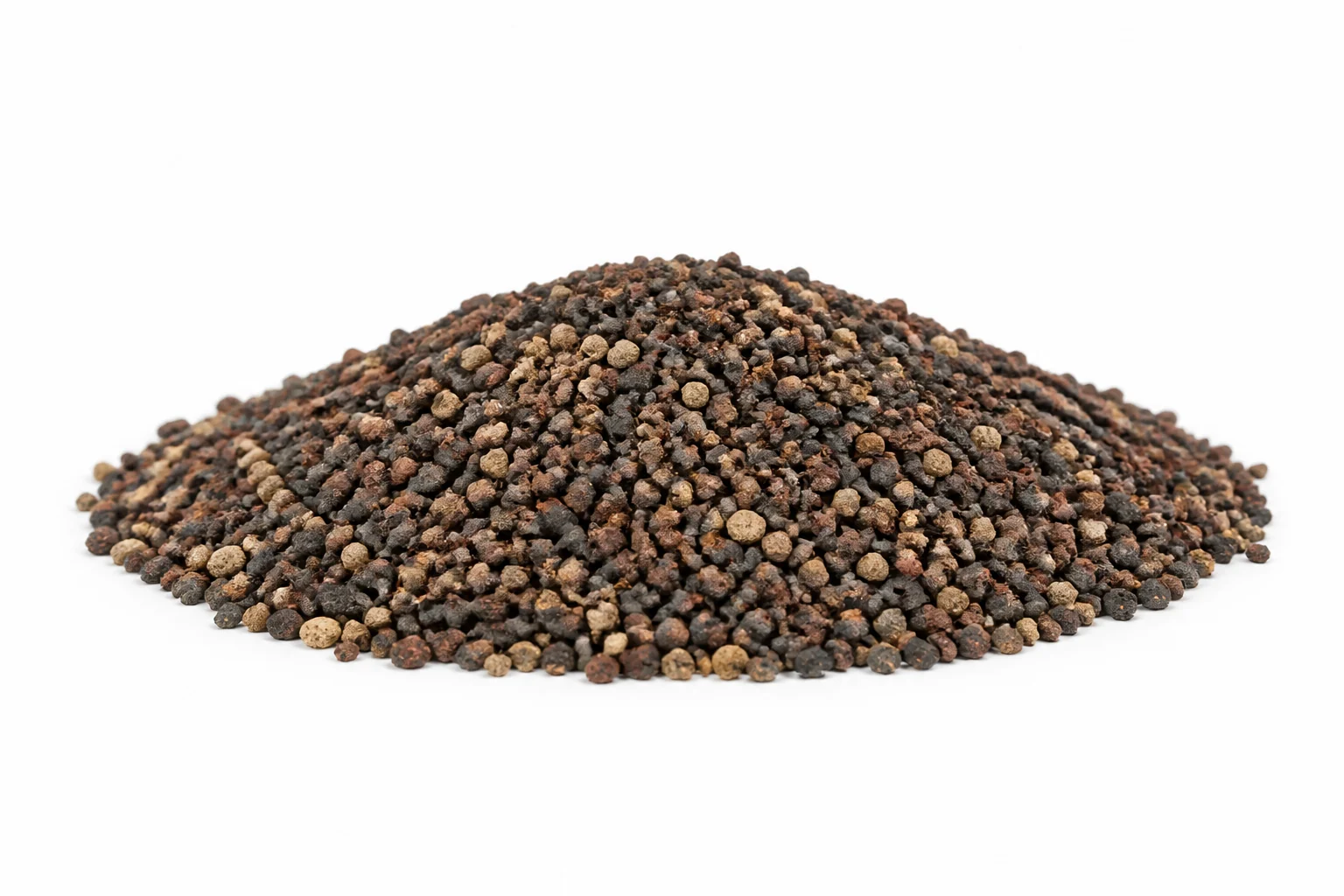
A dedicated starter-flux family used to establish early coverage and initial liquid-slag conditions during casting start, potentially with a verified exothermic system; it is not automatically replaceable by regular mould flux.
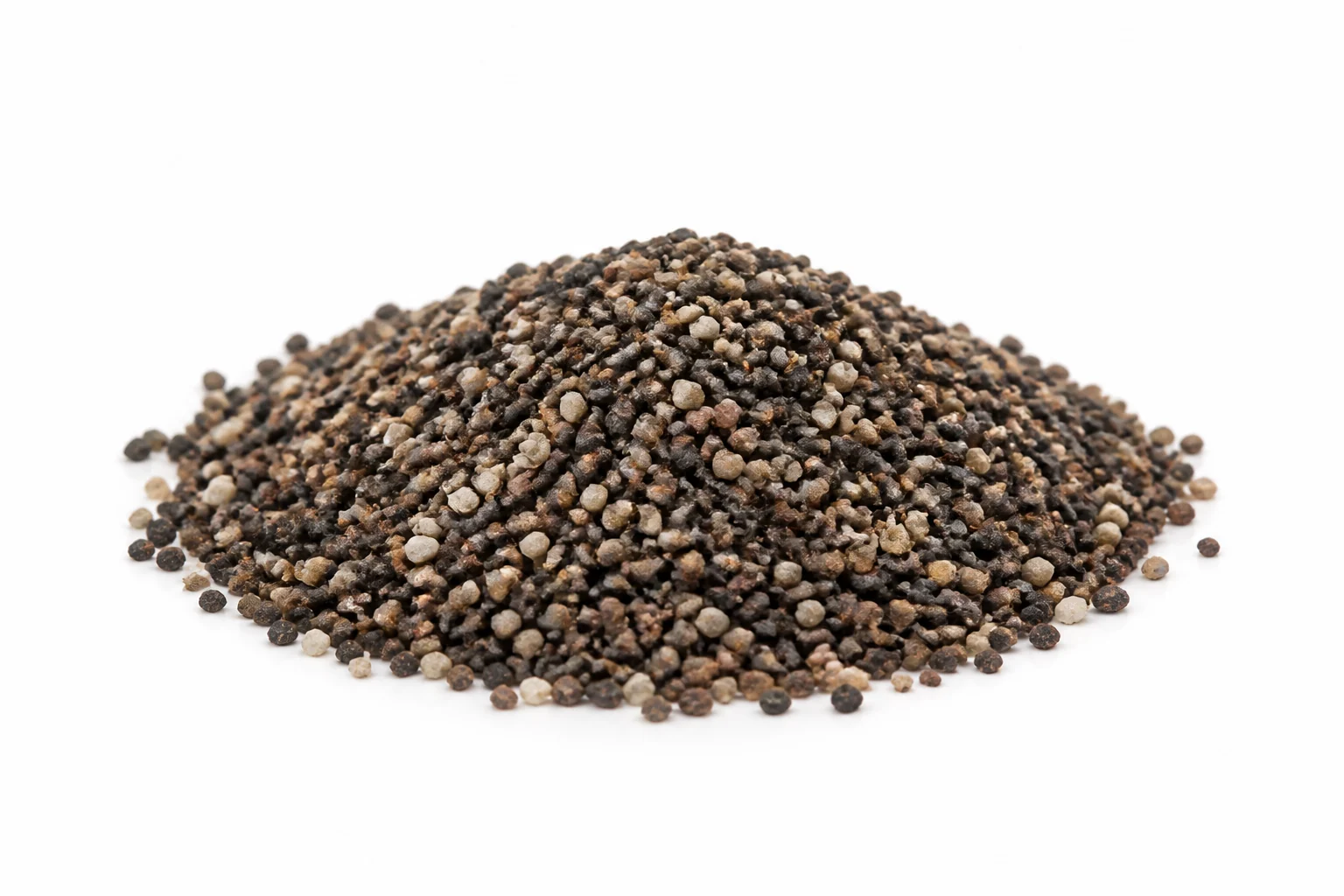
A granular refractory family filling the ladle upper-nozzle and well-block region to support ladle free opening; mineral system, size distribution, sintering behaviour and ladle cycle require coordinated selection.
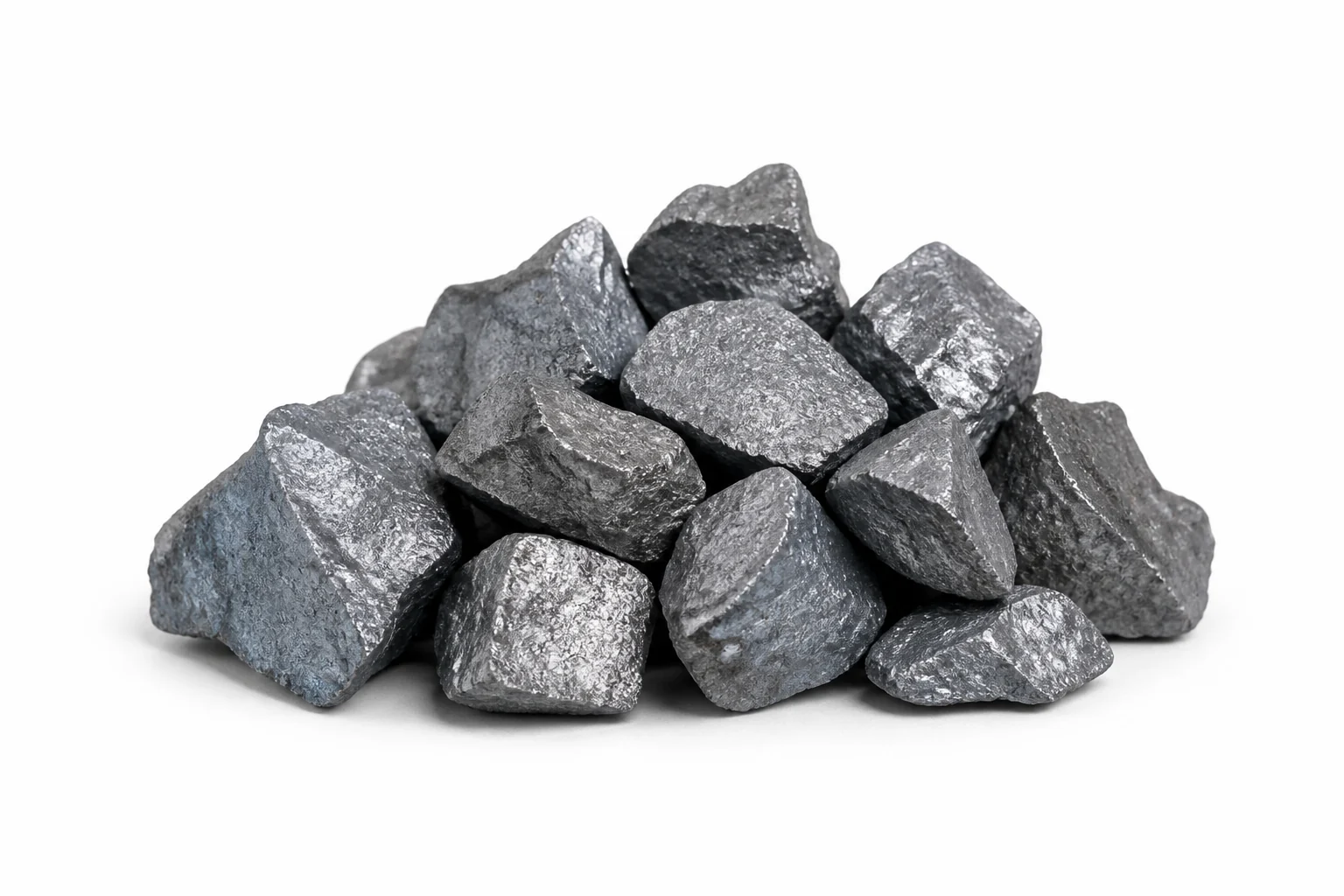
An iron-based titanium-alloy family for Ti alloying, nitrogen fixation, grain and inclusion design in selected steel grades; Ti grade, Al/Si/C/N/O residuals and addition point require grade-specific review.
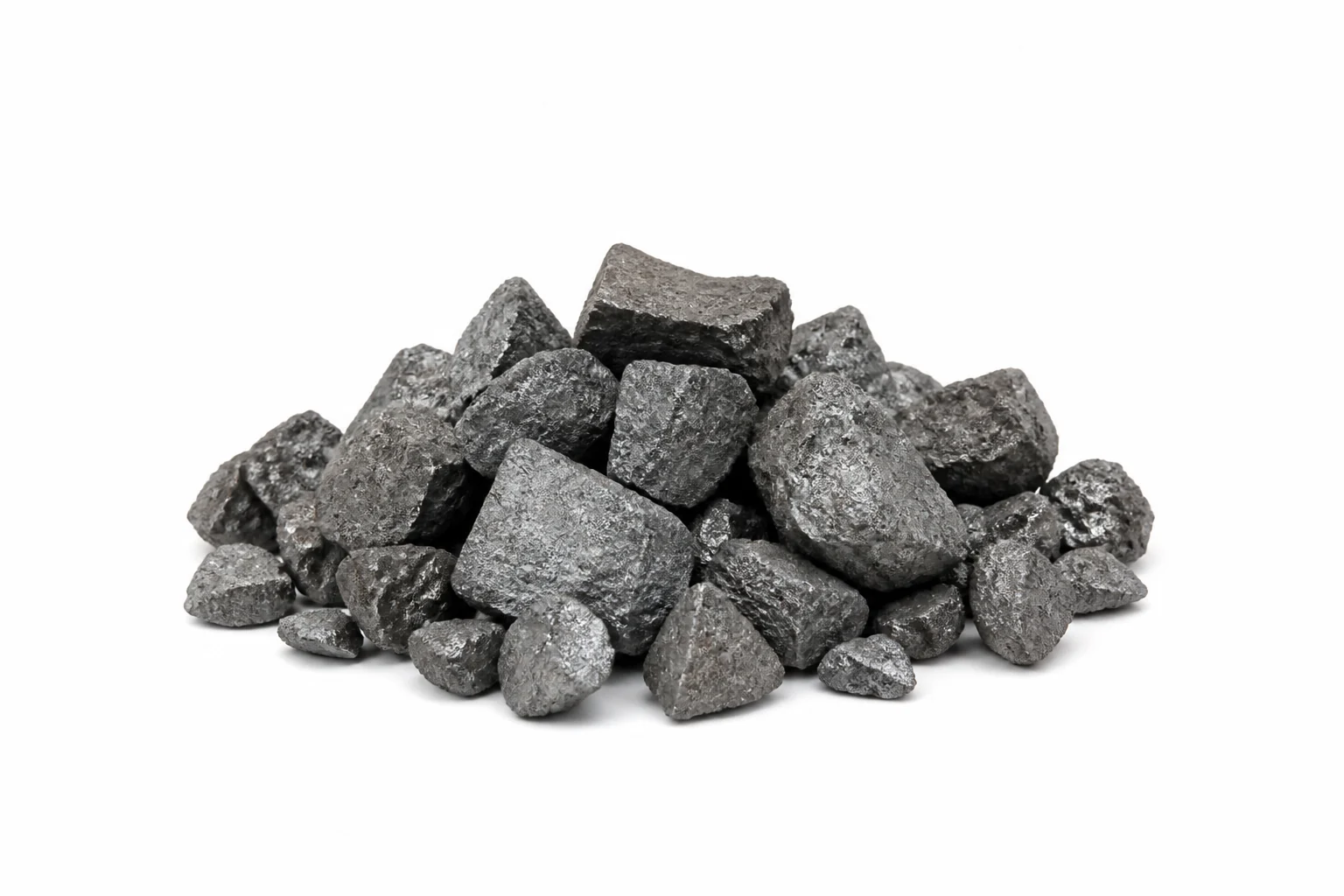
An iron-based boron-alloy family for boron-microalloyed steel grades; boron effectiveness is strongly affected by O, N, Ti, Al and heat treatment, requiring micro-addition metering and resampling.
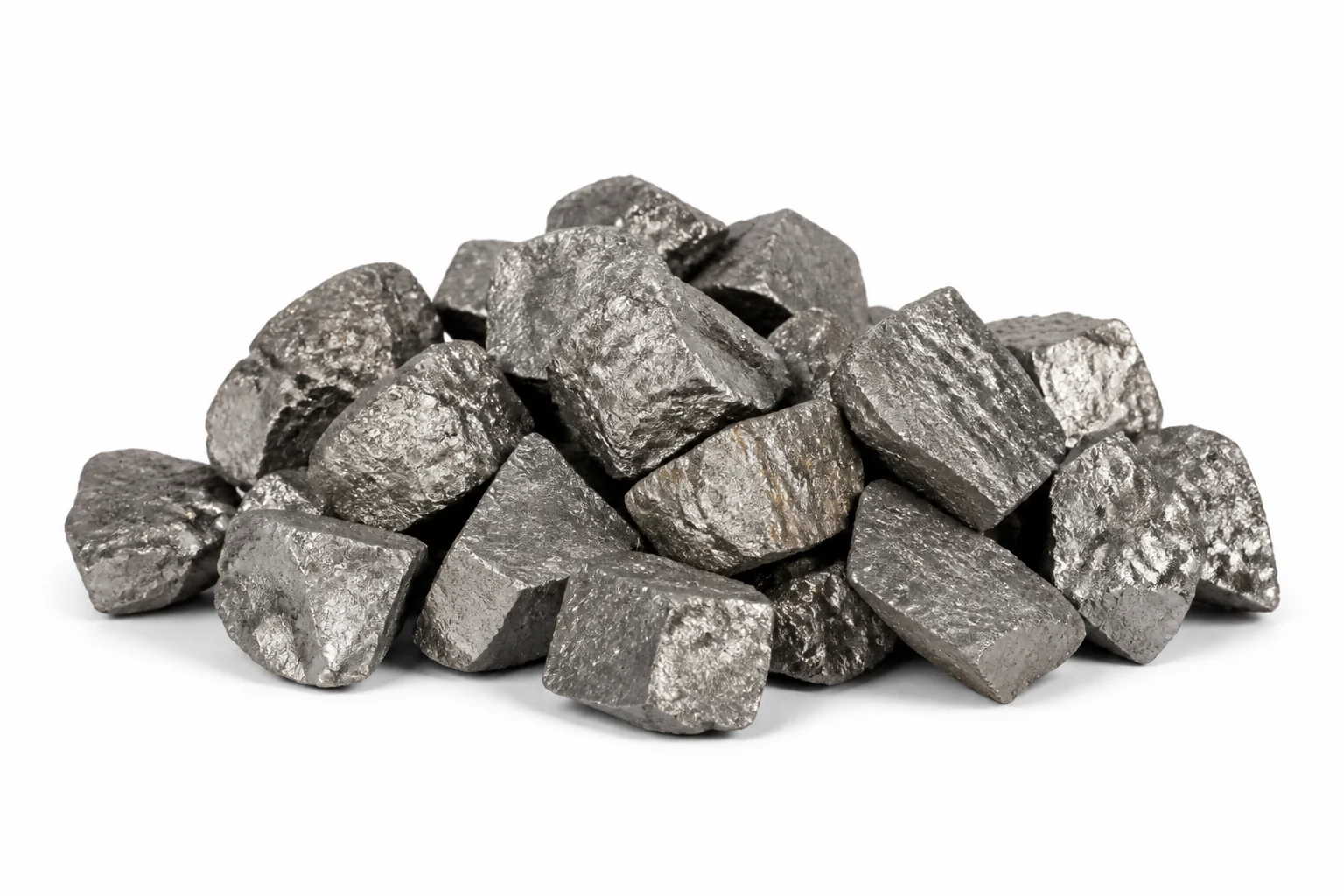
An iron-based niobium-alloy family for microalloying HSLA and other Nb-bearing steels; Nb, Ta, Al/Si/C/P/S residuals, sizing and downstream thermomechanical practice require joint review.
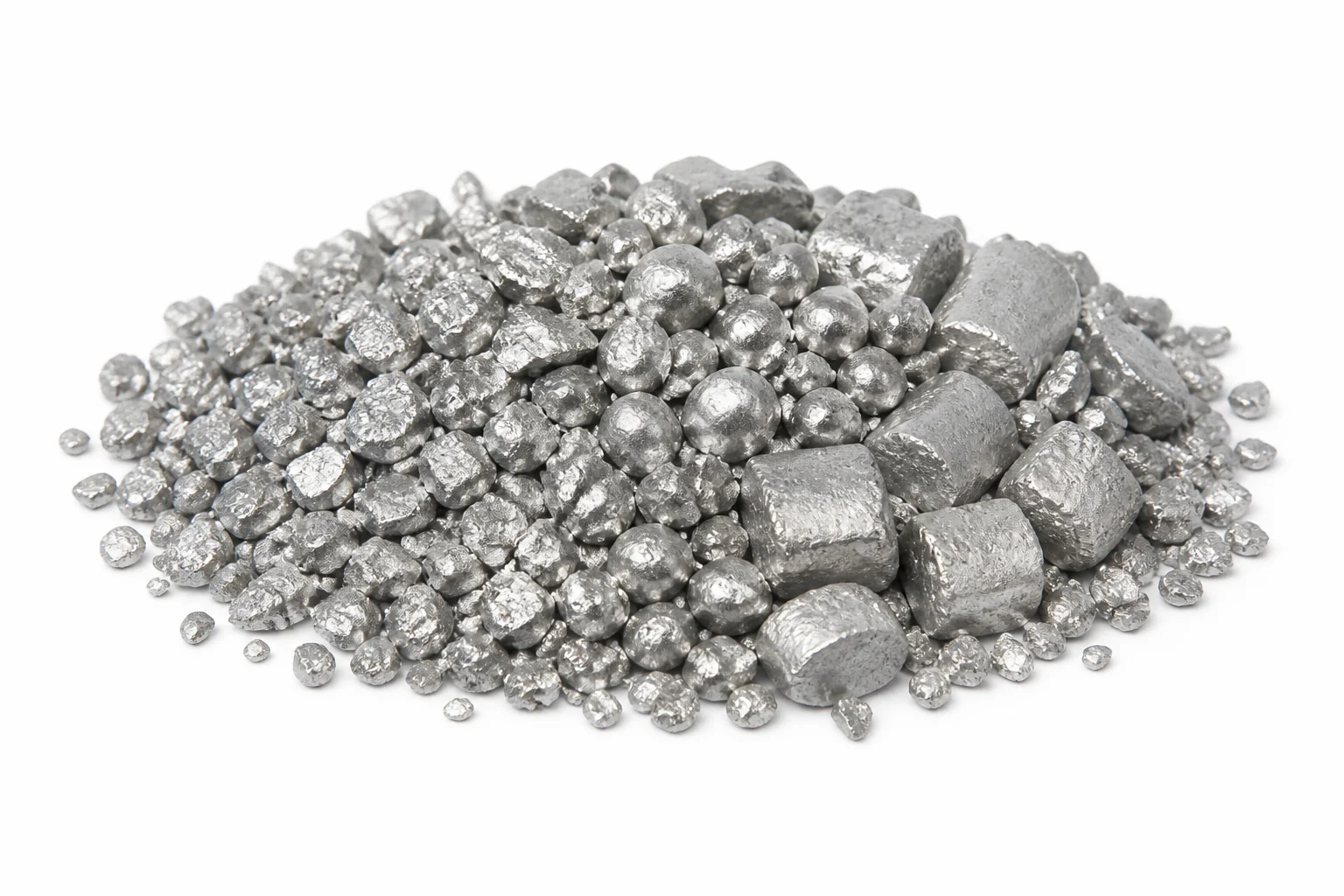
This page explains the product's principal composition, application directions and inquiry points; confirm the grade, guaranteed indicators, sizing, packing and process fit before quotation.
Aliases: Silicon-carbon alloy (identity must be verified) · Silicon Recarb (market term)
High-carbon silicon is a market term that may refer to a smelted alloy, furnace-bottom recovered and sorted material, or a formed blend of silicon- and carbon-bearing fines. An inquiry must first establish the actual production route, phases, total Si/C, residuals, form and addition point.
Aliases: Column-shaped formed recarburizer
A column-shaped recarburizing material made from confirmed carbonaceous fines by blending, binding, extrusion or moulding, drying and screening. Columnar form is a supply shape only; the actual carbon source, heat-treatment route, dimensions, strength and furnace behaviour require a real SKU and furnace trial.
Aliases: Spherical formed recarburizer / carbon raiser ball
A spherical or near-spherical recarburizing material made from confirmed carbonaceous fines by blending, binding, agglomeration or briquetting, drying/curing and screening. Spherical appearance does not establish feedstock, graphitization level, grade or recovery.
Aliases: Magnesium-bearing ferrosilicon inoculant (application and grade to verify)
The Mg, Si, Ca, rare-earth balance, particle size and exact inoculation duty must be confirmed to avoid confusion with nodularisers.
A ferromanganese carbon grade used to adjust Mn while adding carbon in steelmaking, steel foundries and selected iron-foundry melting. The table gives standard-reference directions from GB/T 3795—2014 and public producer data, not Jinsheng lot guarantees.