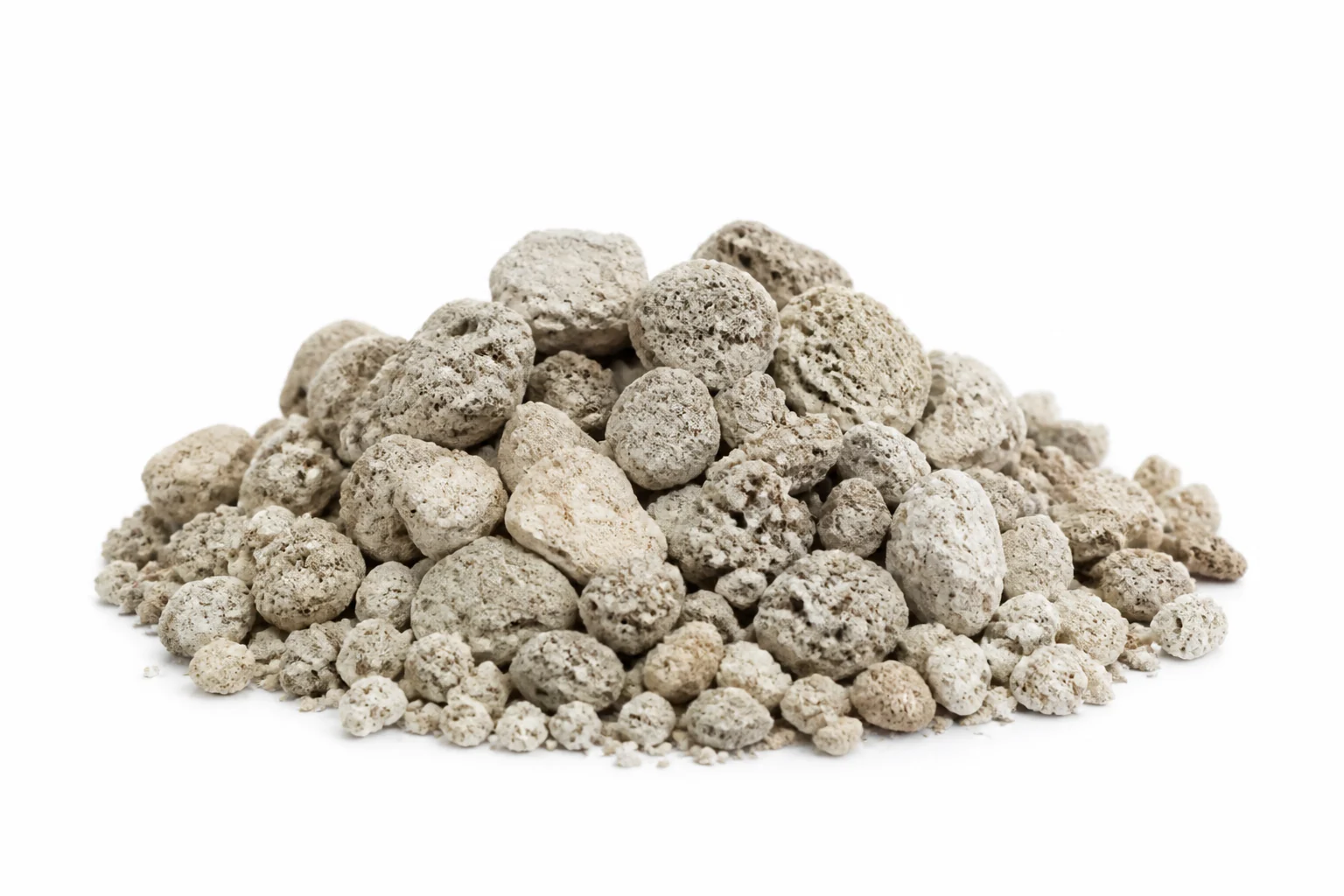
Key indicatorsCaO · Al₂O₃ · MgO / SiO₂ · FeO + MnO / moisture / S / P
Order boundaryQuotation and order confirmation
QUICK DECISION
Four answers before reading the technical detail
This section supports initial screening; final grade, addition and effects require operating conditions, formal documents and plant validation.
01
What it is
Used at tapping or in LF practice to rapidly form or adjust a refining slag for desulfurisation, inclusion absorption, coverage and stable refining.
02
What it does
Rapid slag formation
Support desulfurisation
Support inclusion absorption and flotation
Cover and condition slag
03
Where it fits
Ladle-bottom precharge, staged addition in the tapping stream or post-tap slag conditioning
Early LF slag formation or slag adjustment during refining
Post-tap ladle treatment
04
Boundary not to miss
Excess carryover, FeO/MnO or moisture weakens desulfurisation, reduces alloy recovery and may contaminate steel
Incorrect chemistry can increase heat loss, slag volume and refractory wear
Different grades, ladle linings and refining goals cannot share one unconditional formulation
SELECTION BOUNDARY
Start with the selection boundary
“Synthetic refining slag” is not one fixed recipe. Define steel grade, tapping/LF point, carryover slag, target S, CaO/Al₂O₃, MgO, FeO+MnO, SiO₂, moisture, melting behavior and ladle refractory. GB/T 30900—2025 covers LF refining-slag agglomerates only, not every product.
PRODUCT MANUFACTURING
Product manufacturing process
Synthetic refining slag may be premelted, sintered, blended, briquetted or granulated. Melting rate, degradation, moisture and homogeneity differ, so one route cannot represent all products.
01Inspect CaO/Al₂O₃/MgO-bearing feeds
02Batch and homogenise to target system
03Premelt, sinter or briquette/granulate
04Cool, crush and screen
05Test chemistry, moisture and melting behaviour
SPECIFICATIONS & PACKAGING
Grades, specifications, indicators and packaging
Specifications must state CaO, Al₂O₃, MgO, SiO₂, FeO+MnO, moisture, S/P and melting behaviour. Synthetic refining slag is not one fixed recipe.
01Define premelted/sintered/briquetted form
02Check target slag system and oxidation indicators
03Match equipment, sizing and melting rate
04Confirm moisture, protected pack and lot testing
GRADES & SPECIFICATIONS
Grades, specifications, indicators and packaging
Supply specifications, packaging, lead time and quality documents are subject to the formal quotation and order confirmation.
Grade / family
Chemistry
Size and form
Packaging
Specification direction 01Synthetic Refining SlagConfirm grade, applicable standard and guaranteed values before quotation
CaOConfirm in inquiry
Al₂O₃Confirm in inquiry
MgO / SiO₂Confirm in inquiry
FeO + MnO / moisture / S / PConfirm in inquiry
Confirm against the addition method, equipment and order requirements
Confirm pack format, net weight and labels in the quotation and order
Specification direction 02Synthetic Refining SlagConfirm grade, applicable standard and guaranteed values before quotation
CaO / Al₂O₃ / MgOConfirm in inquiry
SiO₂ / FeO + MnO / moistureConfirm in inquiry
Confirm against the addition method, equipment and order requirements
Confirm pack format, net weight and labels in the quotation and order
ORDER SPECIFICATION CONFIRMATION
What must be confirmed before this becomes an order specification
Supply specifications, packaging, lead time and quality documents are subject to the formal quotation and order confirmation.
01Confirm the product, grade, application and supply scope
02Fix guaranteed chemistry, sizing, form and packing in the quotation and order
03Agree sampling, test methods, acceptance rules and lot COA fields
04Confirm the required TDS, SDS/PSI, labels and delivery documents
SELECTION AND COMPARISON
Compare specification directions by indicators and operating conditions
Supply specifications, packaging, lead time and quality documents are subject to the formal quotation and order confirmation.
01Specification direction
Synthetic Refining Slag
Compare the key indicators below, then confirm grade, guaranteed values, sizing and packing against the operating conditions.
Key indicators
CaO · Al₂O₃ · MgO / SiO₂ · FeO + MnO / moisture / S / P
Size and form
Confirm against the addition method, equipment and order requirements
Packaging
Confirm in the quotation and order
02Specification direction
Synthetic Refining Slag
Compare the key indicators below, then confirm grade, guaranteed values, sizing and packing against the operating conditions.
Key indicators
CaO / Al₂O₃ / MgO · SiO₂ / FeO + MnO / moisture
Size and form
Confirm against the addition method, equipment and order requirements
Packaging
Confirm in the quotation and order
INDUSTRY APPLICATION
Industry, furnace, material and addition point
Confirm the process position before method and quantity calculations; an application relationship for one furnace or material must not be copied to another.
01
Steelmaking plants
Ladle-bottom precharge, staged addition in the tapping stream or post-tap slag conditioning
Furnace / equipment
Ladle after BOF/EAF tapping
Material / output
Carbon and alloy steels, plus separately designed stainless/clean steels
02
Steelmaking plants
Early LF slag formation or slag adjustment during refining
Furnace / equipment
LF; VD/VOD/AOD only under a dedicated practice
Material / output
Refined steel grades with a designed slag practice
03
Steel foundries
Post-tap ladle treatment
Furnace / equipment
Steel-foundry routes equipped for ladle refining
Material / output
Cast steels with explicit sulfur and inclusion requirements
APPLICATION METHOD
Application method and effect validation
New addition must be calculated by deducting carryover slag, lime, deoxidation products and other effective slag sources from target total slag, then validated against grade, target S, slag system, temperature, lining and stirring.
01Confirm steel grade, stage and carryover
02Set target slag system and mass balance
03Precharge, stream-add or batch-add under the practice
04Verify with slag/steel samples, final S and lining condition
PROBLEM AND SOLUTION
From operating objective to effect verification
Each application explains the role, method, quantity principle and risk boundary; the final proposal is confirmed against operating conditions and lot documents.
01
Steelmaking plants
Ladle-bottom precharge, staged addition in the tapping stream or post-tap slag conditioning
Furnace / equipment
Ladle after BOF/EAF tapping
Material / output
Carbon and alloy steels, plus separately designed stainless/clean steels
Method
Control carryover slag and deoxidation first, then add against carryover and target slag; lime, deoxidizer and argon stirring may be coordinated under the plant practice.
Quantity determination
New addition must be calculated by deducting carryover slag, lime, deoxidation products and other effective slag sources from target total slag, then validated against grade, target S, slag system, temperature, lining and stirring.
Expected effects
Shortens slag formation and improves ladle coverage
Supports desulfurisation and inclusion absorption under low oxidation and adequate stirring
Limits and risks
Excess carryover, FeO/MnO or moisture weakens desulfurisation, reduces alloy recovery and may contaminate steel
Incorrect chemistry can increase heat loss, slag volume and refractory wear
02
Steelmaking plants
Early LF slag formation or slag adjustment during refining
Furnace / equipment
LF; VD/VOD/AOD only under a dedicated practice
Material / output
Refined steel grades with a designed slag practice
Method
Adjust in batches based on carryover, lime, reduction state and target viscosity, then verify with slag/steel samples and final sulfur.
Quantity determination
Calculate from equipment capability, carryover, target S and slag system, then verify heat by heat.
Expected effects
Stabilises conditions for slag fluidity, sulfur removal and inclusion flotation
Limits and risks
Different grades, ladle linings and refining goals cannot share one unconditional formulation
03
Steel foundries
Post-tap ladle treatment
Furnace / equipment
Steel-foundry routes equipped for ladle refining
Material / output
Cast steels with explicit sulfur and inclusion requirements
Method
Use only where slagging, stirring, sampling and temperature capability exist; a basic induction remelt must not copy an LF material package.
Quantity determination
Calculate from equipment capability, carryover, target S and slag system, then verify heat by heat.
Expected effects
Creates conditions for ladle desulfurisation and inclusion control
Limits and risks
Without sufficient equipment capability it may add slag and temperature loss without achieving the target
STORAGE & SAFETY
Storage, handling and risk
Protect strictly from moisture and confirm dryness/free-water risk before ladle addition.
Dust, basic oxides, fluoride-containing or other special systems require final SDS-based health and environmental controls.
This section does not replace the company's final SDS/PSI or the plant safety procedure.
REFERENCE AND ORDER BOUNDARY
Use industry references to understand, then order documents to confirm
Supply specifications, packaging, lead time and quality documents are subject to the formal quotation and order confirmation.
DOCUMENTS & MEDIA
Images, TDS, SDS and COA
Document availability depends on the product, lot, destination market and order agreement.
TDS
Confirms product identity, guaranteed indicators, sizing, form and packing.
SDS / PSI
Confirms storage, handling, protection and market-specific safety information.
COA
Links a specific lot to test items, results, methods and issue information.
INDUSTRY TECHNICAL REFERENCES
Selected external reference material
The following items come from licensed public media or original producer websites and explain similar products or typical processes only. They are not Jinsheng photographs, TDS, SDS or lot COA and create no supply commitment.
External PDS/TDS reference
Official granular metallurgical-product reference
Opta's published granular-products reference covering refining and slag-treatment products; not a Jinsheng synthetic-slag TDS.
01Target industry, steel grade or casting material
02Furnace type, equipment, melt weight and current operating practice
03Measured chemistry, target chemistry and permitted residuals
04Planned addition point, temperature, slag and stirring conditions
05Current product, addition, recovery or operating-issue record
06Required size, form, packaging, quantity and destination
07Available melt analysis, microscopy, photographs or trial results
TECHNICAL AND QUOTATION CONSULTATION
Send the operating conditions for human review
Domestic inquiries are handled by the Domestic Sales Department and international inquiries by the International Sales Department. Price, availability and lead time are confirmed for each inquiry based on specification, quantity and delivery location.