
Back to home
Jinsheng Metallurgical Materials Supply Chain Platform
Favorites0
Back to products

Ferroalloys · Silicon series

Ferrosilicon

Used for deoxidation and silicon adjustment in steelmaking and steel foundries, and for in-furnace silicon correction in iron foundries.
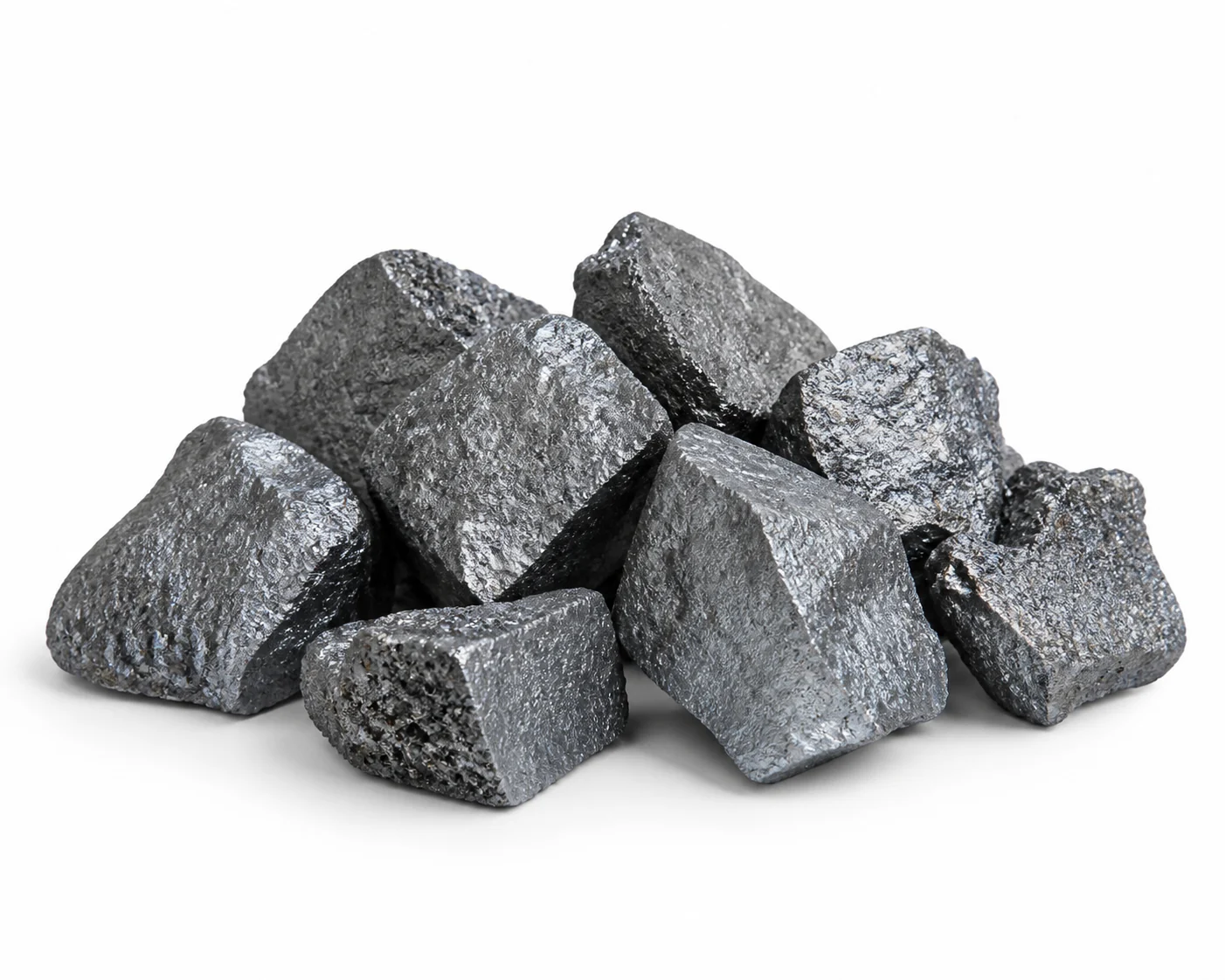
DeoxidationSilicon adjustmentAlloying
View grades and specifications
Ferrosilicon · Product form reference
Product codeFA-FESI
Industry application3
Key indicatorsSi · C · Al / Ca / P / S / Ti
Order boundaryQuotation and order confirmation

QUICK DECISION

Four answers before reading the technical detail

This section supports initial screening; final grade, addition and effects require operating conditions, formal documents and plant validation.

01

What it is

Used for deoxidation and silicon adjustment in steelmaking and steel foundries, and for in-furnace silicon correction in iron foundries.

02

What it does

  • Deoxidation
  • Silicon adjustment
  • Alloying
03

Where it fits

  • Tapping deoxidation and ladle/LF alloying
  • Post-melt trimming, tapping/ladle deoxidation and alloying
  • In-furnace silicon correction or post-melt trimming
04

Boundary not to miss

  • Oxidising slag reduces recovery
  • Poor control of Al, Ti, C and other residuals can cause inclusions or grade deviations
  • Late addition or unsuitable sizing may cause incomplete dissolution and chemistry variation

SELECTION BOUNDARY

Start with the selection boundary

A grade name such as FeSi75 is not a complete commercial specification. Confirm Si plus Al, Ca, C, P, S, Ti and other residuals, sizing, form and applicable standard; ordinary FeSi and FeSi-based inoculants are separate selections.

PRODUCT MANUFACTURING

Product manufacturing process

Typical ferrosilicon is smelted from silica, an iron source and carbonaceous reductants in a submerged-arc furnace, then cast, cooled, crushed and screened. Raw materials and furnace practice vary by producer.
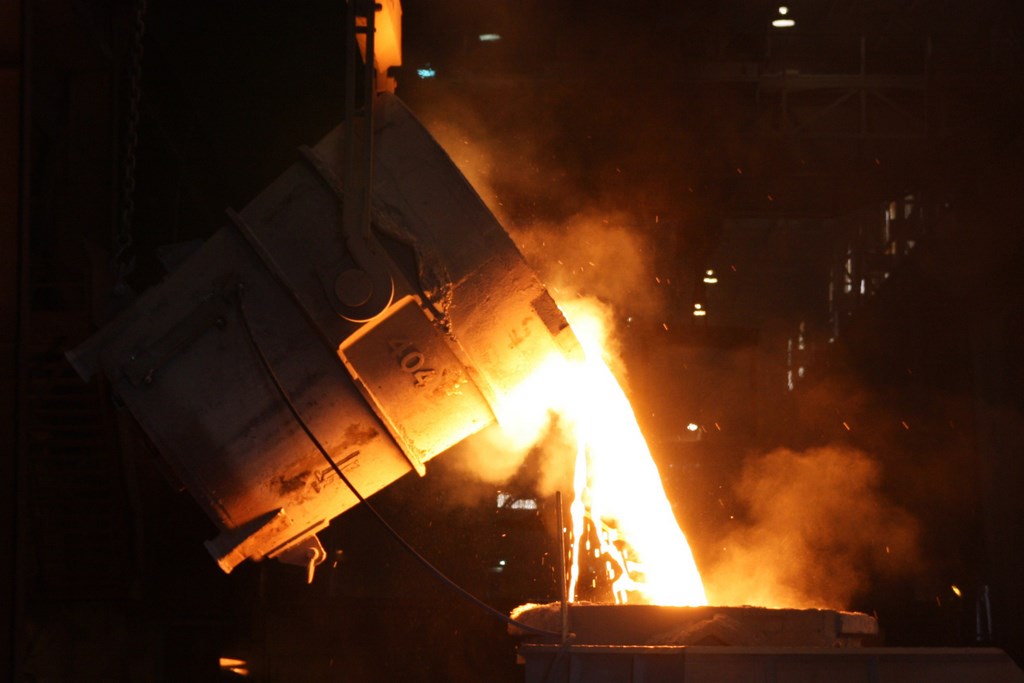
  1. 01Inspect and batch silica, iron source and reductants
  2. 02Carbothermic smelting in a submerged-arc furnace
  3. 03Tap, separate slag/metal and cast
  4. 04Cool, crush, screen and sample
  5. 05Pack by grade and size
Industry reference photograph of ferrosilicon productionFerrosilicon production-process referenceElkem Iceland's published production-process page; a producer reference, not a Jinsheng production line.Elkem Iceland · 2026-08-14Reference background: Jarle Vines (Jarvin) · CC BY 3.0
Process points
  1. 1Raw materials and furnace
  2. 2Reduction and tapping
  3. 3Crushing and screening
  4. 4Testing and packing

The public external reference helps explain a similar product or typical process; it is not evidence of a Jinsheng-owned line, stock or customer site.

SPECIFICATIONS & PACKAGING

Grades, specifications, indicators and packaging

Si is the principal indicator, with Al, Ca, C, P, S and Ti controlled by application. Lump, granule, powder and cored-wire feed must be managed as different supply forms.

  1. 01Confirm FeSi grade and standard version
  2. 02Check main content and impurity guarantees
  3. 03Select size/form for charging equipment
  4. 04Confirm pack, moisture control and lot COA

GRADES & SPECIFICATIONS

Grades, specifications, indicators and packaging

Supply specifications, packaging, lead time and quality documents are subject to the formal quotation and order confirmation.

Grade / familyChemistrySize and formPackaging
Specification direction 01FerrosiliconConfirm grade, applicable standard and guaranteed values before quotation
  • SiConfirm in inquiry
  • CConfirm in inquiry

Confirm against the addition method, equipment and order requirements

Confirm pack format, net weight and labels in the quotation and order
Specification direction 02FerrosiliconConfirm grade, applicable standard and guaranteed values before quotation
  • SiConfirm in inquiry
  • CConfirm in inquiry

Confirm against the addition method, equipment and order requirements

Confirm pack format, net weight and labels in the quotation and order
Specification direction 03FerrosiliconConfirm grade, applicable standard and guaranteed values before quotation
  • SiConfirm in inquiry
  • CConfirm in inquiry
  • Al / Ca / P / S / TiConfirm in inquiry

Confirm against the addition method, equipment and order requirements

Confirm pack format, net weight and labels in the quotation and order
Specification direction 04FerrosiliconConfirm grade, applicable standard and guaranteed values before quotation
  • SiConfirm in inquiry
  • CConfirm in inquiry
  • Al / Ca / P / S / TiConfirm in inquiry

Confirm against the addition method, equipment and order requirements

Confirm pack format, net weight and labels in the quotation and order
Specification direction 05FerrosiliconConfirm grade, applicable standard and guaranteed values before quotation
  • SiConfirm in inquiry
  • CConfirm in inquiry

Confirm against the addition method, equipment and order requirements

Confirm pack format, net weight and labels in the quotation and order

ORDER SPECIFICATION CONFIRMATION

What must be confirmed before this becomes an order specification

Supply specifications, packaging, lead time and quality documents are subject to the formal quotation and order confirmation.

  1. 01Confirm the product, grade, application and supply scope
  2. 02Fix guaranteed chemistry, sizing, form and packing in the quotation and order
  3. 03Agree sampling, test methods, acceptance rules and lot COA fields
  4. 04Confirm the required TDS, SDS/PSI, labels and delivery documents

SELECTION AND COMPARISON

Compare specification directions by indicators and operating conditions

Supply specifications, packaging, lead time and quality documents are subject to the formal quotation and order confirmation.

01Specification direction

Ferrosilicon

Compare the key indicators below, then confirm grade, guaranteed values, sizing and packing against the operating conditions.

Key indicators
SiC
Size and form
Confirm against the addition method, equipment and order requirements
Packaging
Confirm in the quotation and order
02Specification direction

Ferrosilicon

Compare the key indicators below, then confirm grade, guaranteed values, sizing and packing against the operating conditions.

Key indicators
SiC
Size and form
Confirm against the addition method, equipment and order requirements
Packaging
Confirm in the quotation and order
03Specification direction

Ferrosilicon

Compare the key indicators below, then confirm grade, guaranteed values, sizing and packing against the operating conditions.

Key indicators
SiCAl / Ca / P / S / Ti
Size and form
Confirm against the addition method, equipment and order requirements
Packaging
Confirm in the quotation and order
04Specification direction

Ferrosilicon

Compare the key indicators below, then confirm grade, guaranteed values, sizing and packing against the operating conditions.

Key indicators
SiCAl / Ca / P / S / Ti
Size and form
Confirm against the addition method, equipment and order requirements
Packaging
Confirm in the quotation and order
05Specification direction

Ferrosilicon

Compare the key indicators below, then confirm grade, guaranteed values, sizing and packing against the operating conditions.

Key indicators
SiC
Size and form
Confirm against the addition method, equipment and order requirements
Packaging
Confirm in the quotation and order

INDUSTRY APPLICATION

Industry, furnace, material and addition point

Confirm the process position before method and quantity calculations; an application relationship for one furnace or material must not be copied to another.

01

Steelmaking plants

Tapping deoxidation and ladle/LF alloying

Furnace / equipment
BOF, EAF and LF
Material / output
Carbon and alloy steels, plus reviewed special grades
02

Steel foundries

Post-melt trimming, tapping/ladle deoxidation and alloying

Furnace / equipment
EAF, induction furnace and ladle treatment
Material / output
Carbon, low-alloy and high-alloy cast steels
03

Iron foundries

In-furnace silicon correction or post-melt trimming

Furnace / equipment
Cupola, induction and duplex melting
Material / output
Base iron for grey, ductile and CGI, plus alloyed cast iron

APPLICATION METHOD

Application method and effect validation

For deoxidation, silicon adjustment or alloying, calculate from melt analysis, required net increase and site recovery; no universal dose is published without process conditions.

  1. 01Confirm grade, furnace and addition point
  2. 02Calculate net addition from analysis and recovery
  3. 03Add under the plant practice and ensure dissolution/mixing
  4. 04Resample to verify Si, inclusions and endpoint

PROBLEM AND SOLUTION

From operating objective to effect verification

Each application explains the role, method, quantity principle and risk boundary; the final proposal is confirmed against operating conditions and lot documents.

01

Steelmaking plants

Tapping deoxidation and ladle/LF alloying

Furnace / equipment
BOF, EAF and LF
Material / output
Carbon and alloy steels, plus reviewed special grades
Method
Add in the tapping stream or during ladle refining under the approved practice, with adequate dissolution and stirring; sequence must match the deoxidation route and slag condition.
Quantity determination
Use decimal mass fractions consistently. General equation: ⟦m_add(kg) ≈ m_melt(t) × 1,000 × Δw_Si ÷ (w_Si,product × η_Si)⟧. The net-increase term means target Si minus measured Si; enter all mass fractions as decimals, for example 0.20 wt.% as 0.002. Then correct for slag oxidation, temperature and plant history.
Expected effects
  • Lowers oxygen potential and establishes target silicon
  • Creates conditions for final alloy trimming
Limits and risks
  • Oxidising slag reduces recovery
  • Poor control of Al, Ti, C and other residuals can cause inclusions or grade deviations
02

Steel foundries

Post-melt trimming, tapping/ladle deoxidation and alloying

Furnace / equipment
EAF, induction furnace and ladle treatment
Material / output
Carbon, low-alloy and high-alloy cast steels
Method
Induction practice relies on clean, known charge and chemistry correction; EAF timing must follow the oxidising/reducing slag practice.
Quantity determination
Calculate from melt analysis, target silicon and furnace-specific recovery; do not transfer EAF recovery assumptions directly to an induction furnace.
Expected effects
  • Deoxidises and adjusts silicon in cast steel
Limits and risks
  • Late addition or unsuitable sizing may cause incomplete dissolution and chemistry variation
03

Iron foundries

In-furnace silicon correction or post-melt trimming

Furnace / equipment
Cupola, induction and duplex melting
Material / output
Base iron for grey, ductile and CGI, plus alloyed cast iron
Method
Add with the charge, during melting or after melt-down according to charge calculation and analysis; manage separately from the dedicated pre-pour inoculant.
Quantity determination
Calculate from current and target base-iron Si, actual product Si and furnace-specific recovery.
Expected effects
  • Establishes target base-iron silicon
Limits and risks
  • Ordinary FeSi for silicon correction does not replace an active-element inoculant

STORAGE & SAFETY

Storage, handling and risk

  • Keep dry and never introduce wet material directly into molten metal; control dust and fines according to the supplied form.
  • The official SDS/PSI must be verified against the company's actual composition and destination market.

This section does not replace the company's final SDS/PSI or the plant safety procedure.

REFERENCE AND ORDER BOUNDARY

Use industry references to understand, then order documents to confirm

Supply specifications, packaging, lead time and quality documents are subject to the formal quotation and order confirmation.

DOCUMENTS & MEDIA

Images, TDS, SDS and COA

Document availability depends on the product, lot, destination market and order agreement.

TDS

Confirms product identity, guaranteed indicators, sizing, form and packing.

SDS / PSI

Confirms storage, handling, protection and market-specific safety information.

COA

Links a specific lot to test items, results, methods and issue information.
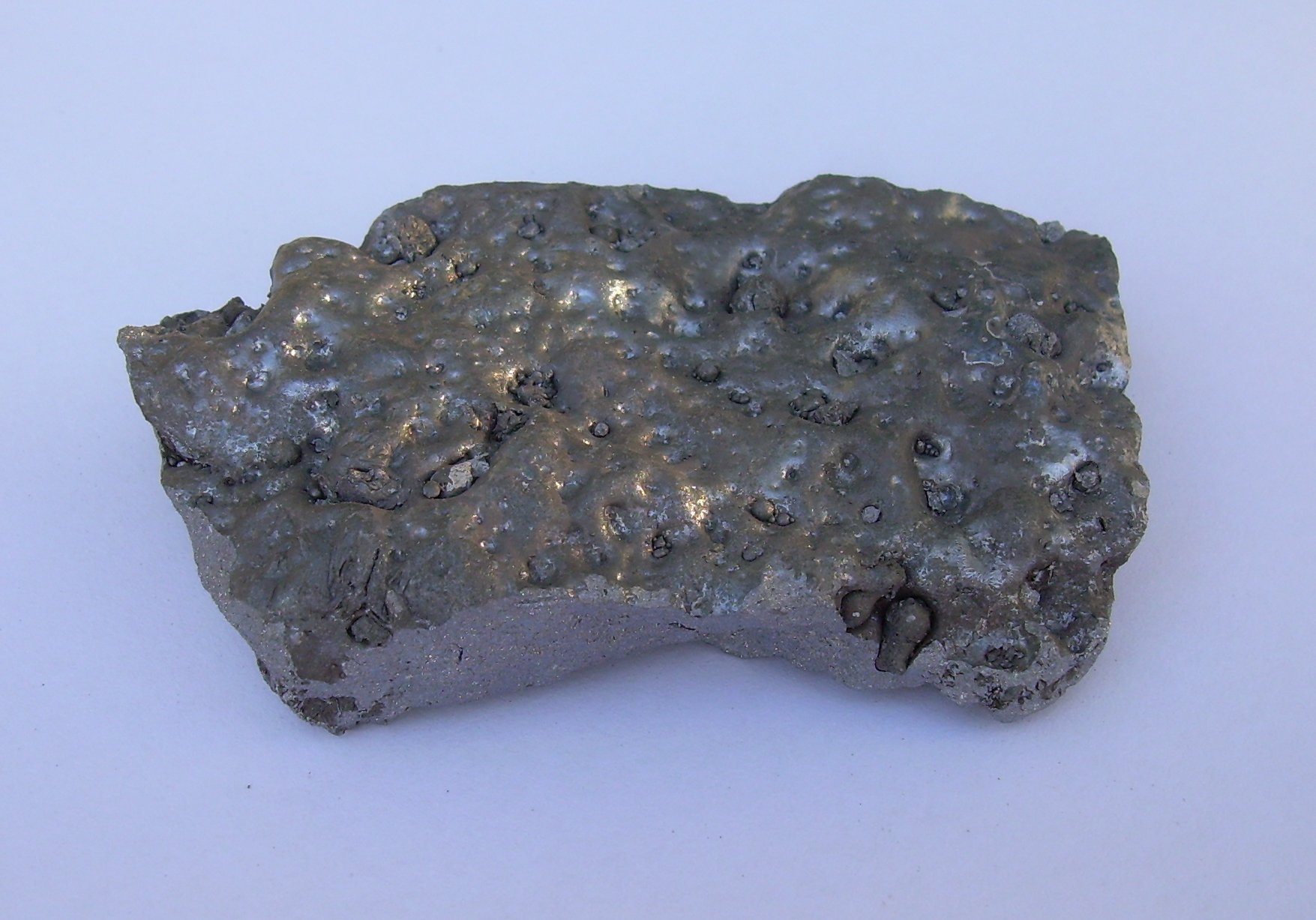
Industry reference photograph of ferrosilicon
Licensed industry reference

Industry reference image of ferrosilicon; it does not represent a Jinsheng grade, size or lot.

FocalPoint; 2010 crop by Materialscientist · Wikimedia CommonsCC BY-SA 4.0
The source file is unchanged; the page displays the complete image responsively without cropping.

INDUSTRY TECHNICAL REFERENCES

Selected external reference material

The following items come from licensed public media or original producer websites and explain similar products or typical processes only. They are not Jinsheng photographs, TDS, SDS or lot COA and create no supply commitment.

Official process reference

Ferrosilicon production-process reference

Elkem Iceland's published production-process page; a producer reference, not a Jinsheng production line.

Elkem Iceland · 2026-08-14Open reference
Official product information

Official ferrosilicon product reference

Elkem's published FeSi product, production and application overview; not a Jinsheng TDS.

Elkem · 2026-08-14Open reference
External PSI/SDS reference

Official FeSi alloy PSI

Elkem Product Safety Information. It is a safety-reference document, not a Jinsheng SDS.

Elkem · 2026-08-14Open reference
Blank COA template

COA field template (not a certificate)

A blank structure for lot, chemistry, sizing, method, disposition and issue data. It contains no test result and cannot be used for delivery.

Jinsheng blank COA field template · 2026-08-14Open field template

SOURCES

Public references and verification dates

  1. GB/T 2272—2020 FerrosiliconStandard · 2026-08-14
  2. Elkem ferrosilicon product and application overviewManufacturer source · 2026-08-14

Public sources supplement general facts; they do not replace Jinsheng's formal product specification, TDS or lot COA.

INQUIRY PREPARATION

Prepare these operating conditions for a more precise technical response

Please provide the specification, quantity, destination, and contact information.

Already includedFA-FESIFerrosilicon
  1. 01Target industry, steel grade or casting material
  2. 02Furnace type, equipment, melt weight and current operating practice
  3. 03Measured chemistry, target chemistry and permitted residuals
  4. 04Planned addition point, temperature, slag and stirring conditions
  5. 05Current product, addition, recovery or operating-issue record
  6. 06Required size, form, packaging, quantity and destination
  7. 07Available melt analysis, microscopy, photographs or trial results

TECHNICAL AND QUOTATION CONSULTATION

Send the operating conditions for human review

Domestic inquiries are handled by the Domestic Sales Department and international inquiries by the International Sales Department. Price, availability and lead time are confirmed for each inquiry based on specification, quantity and delivery location.