
Back to home
Jinsheng Metallurgical Materials Supply Chain Platform
Favorites0
Back to products

Cast-iron materials · Treatment alloys

Molten-iron cover alloy

This page explains the product's principal composition, application directions and inquiry points; confirm the grade, guaranteed indicators, sizing, packing and process fit before quotation.
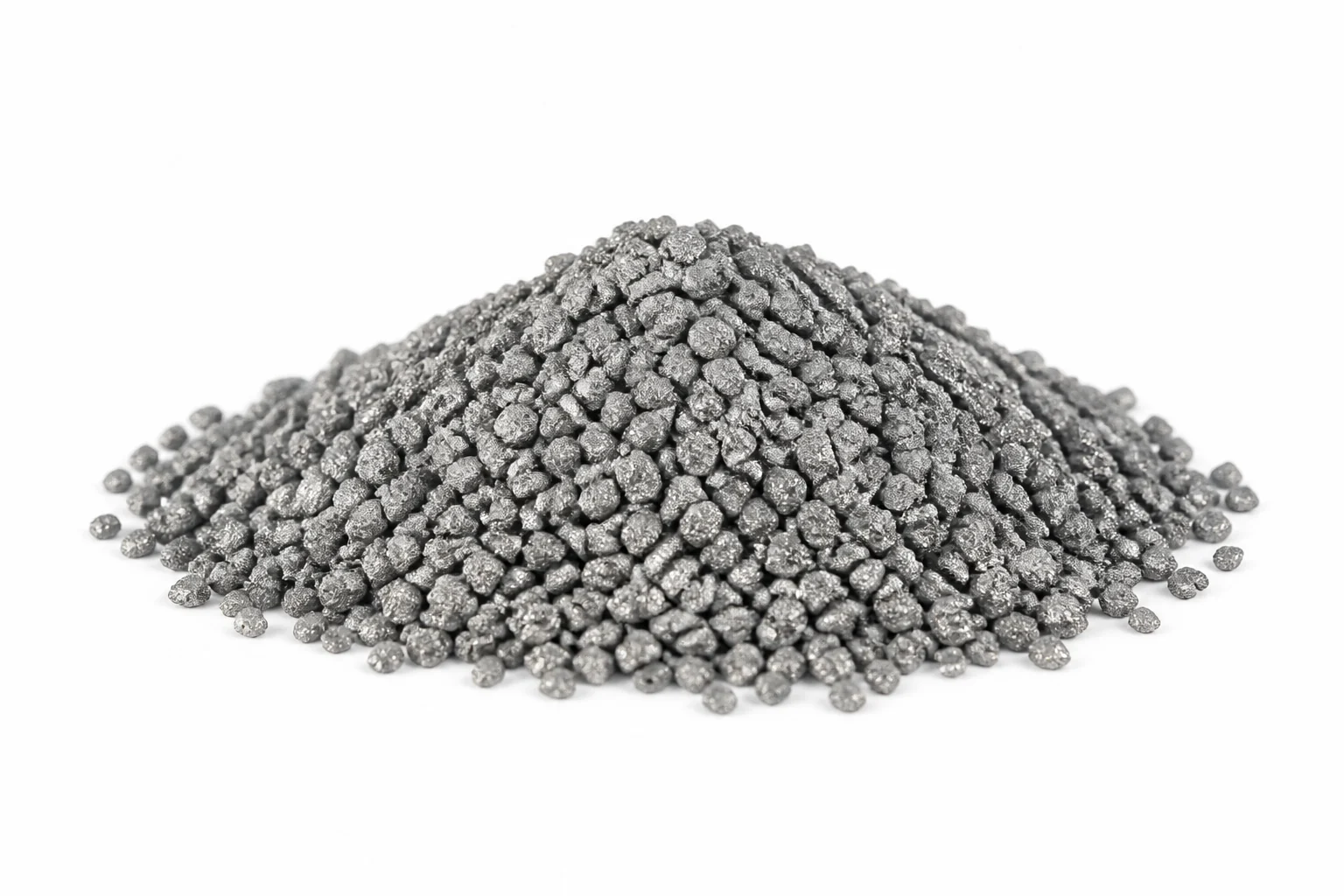
Candidate treatment-reaction coverCandidate splash and reaction-rate controlProduct-identity verification
View grades and specifications
Molten-iron cover alloy · Product form reference
Product codeFD-COVER-ALLOY
Industry application1
Key indicatorsdeclared cover system · metallic / mineral identity · moisture / reactivity / sizing
Order boundaryQuotation and order confirmation

QUICK DECISION

Four answers before reading the technical detail

This section supports initial screening; final grade, addition and effects require operating conditions, formal documents and plant validation.

01

What it is

This page explains the product's principal composition, application directions and inquiry points; confirm the grade, guaranteed indicators, sizing, packing and process fit before quotation.

02

What it does

  • Candidate treatment-reaction cover
  • Candidate splash and reaction-rate control
  • Product-identity verification
03

Where it fits

  • Validated cover stage for a treatment reaction
04

Boundary not to miss

  • Unclear identity, sequence or formula can cause added slag, temperature loss, uncontrolled reaction, inclusions or off-target graphite structure

SELECTION BOUNDARY

Start with the selection boundary

Cover alloy is not a standardised fixed formula and may be confused with cover flux, cover-ladle material or treatment alloy. Confirm whether it is a metallic alloy, its actual composition, mechanism, moisture, SDS and addition sequence relative to the nodulariser.

PRODUCT MANUFACTURING

Product manufacturing process

The name cover alloy alone does not establish whether the product is a smelted alloy, compound granule, briquette or blended cover material. The manufacturer must declare the actual identity, feeds, carrier, binder and production route. The general route is limited to formula review, smelting or formulation/agglomeration, drying/cooling, sizing and strength control, sampling, testing and moisture-protected packing; this page does not depict a Jinsheng-owned line.

  1. 01The manufacturer must establish whether cover alloy is a smelted alloy, compound granule, briquette or blended cover material and provide full composition, carrier, binder, reactivity and actual use; the name alone does not define the product.
  2. 02Obtain the manufacturer's formal definition, formula, feeds and smelted/formulated route declaration
  3. 03Verify carrier, active components, binder and returns and smelt or formulate/agglomerate by the declared route
  4. 04After drying or cooling, control form, sizing, fines, moisture, strength and homogeneity
  5. 05Sample representatively and check chemistry, physical indicators, safety documents and moisture-protected pack

SPECIFICATIONS & PACKAGING

Grades, specifications, indicators and packaging

Cover alloy is a functional name requiring formal specification. The TDS, SDS/PSI, sample COA and purchase agreement must fix product identity, full composition, carrier, melting/reaction behaviour, form, sizing, fines, moisture, strength, bulk density, pack, compatible melt/lining and prohibited conditions. The generic name cannot replace an actual SKU, and no fixed value is assumed.

  1. 01The specification must fix full composition and limiting residuals, carrier/binder, melting or reaction behaviour, form, sizing, fines, moisture, strength, density, moisture-protected pack and safety documents.
  2. 02Confirm the formal name, smelted/formulated identity, actual use and supplier SKU
  3. 03Fix full composition, carrier, binder, limiting residuals and test methods
  4. 04Confirm melting/reaction behaviour, form, sizing, fines, moisture, strength and density
  5. 05Confirm pack, label, SDS/PSI, lot COA, lining compatibility and prohibited conditions

GRADES & SPECIFICATIONS

Grades, specifications, indicators and packaging

Supply specifications, packaging, lead time and quality documents are subject to the formal quotation and order confirmation.

Grade / familyChemistrySize and formPackaging
Specification direction 01Molten-iron cover alloyConfirm grade, applicable standard and guaranteed values before quotation
  • declared cover systemConfirm in inquiry
  • metallic / mineral identityConfirm in inquiry
  • moisture / reactivity / sizingConfirm in inquiry

Confirm against the addition method, equipment and order requirements

Confirm pack format, net weight and labels in the quotation and order

ORDER SPECIFICATION CONFIRMATION

What must be confirmed before this becomes an order specification

Supply specifications, packaging, lead time and quality documents are subject to the formal quotation and order confirmation.

  1. 01Confirm the product, grade, application and supply scope
  2. 02Fix guaranteed chemistry, sizing, form and packing in the quotation and order
  3. 03Agree sampling, test methods, acceptance rules and lot COA fields
  4. 04Confirm the required TDS, SDS/PSI, labels and delivery documents

SELECTION AND COMPARISON

Compare specification directions by indicators and operating conditions

Supply specifications, packaging, lead time and quality documents are subject to the formal quotation and order confirmation.

01Specification direction

Molten-iron cover alloy

Compare the key indicators below, then confirm grade, guaranteed values, sizing and packing against the operating conditions.

Key indicators
declared cover systemmetallic / mineral identitymoisture / reactivity / sizing
Size and form
Confirm against the addition method, equipment and order requirements
Packaging
Confirm in the quotation and order

INDUSTRY APPLICATION

Industry, furnace, material and addition point

Confirm the process position before method and quantity calculations; an application relationship for one furnace or material must not be copied to another.

01

Iron foundries

Validated cover stage for a treatment reaction

Furnace / equipment
Cupola, induction, duplex or a confirmed iron-treatment ladle
Material / output
Cast-iron melt with a defined base condition, treatment objective and downstream graphite-treatment route

APPLICATION METHOD

Application method and effect validation

A cover trial may be designed only after the formal SKU, target melt, furnace/ladle-lining compatibility and mechanism are verified. Set a small trial from bath area, temperature, holding time, slag, lot characteristics and the site baseline, monitoring cover continuity, fumes, dusting, slag entrainment, chemistry carry-in, heat loss and final quality. No fixed kg/t or effect claim is published.

  1. 01Only after target melt, furnace/ladle-lining compatibility, temperature, slag and mechanism are verified may a small cover trial be run from bath area and the site baseline.
  2. 02Confirm the formal SKU, target melt, furnace/ladle lining, temperature, slag and objective
  3. 03Check lot COA, SDS/PSI, dry condition, reactivity and prohibited conditions
  4. 04Set a small trial from bath area and the site baseline, add in stages and monitor cover and fumes
  5. 05Verify slag entrainment, chemistry carry-in, heat loss, cleanability, defects and final quality before approval or stop
  6. 06Monitor cover continuity, fumes, dusting, slag entrainment, chemistry carry-in, heat loss, cleanability, defects and final quality; no fixed coverage or energy-saving result is promised.

PROBLEM AND SOLUTION

From operating objective to effect verification

Each application explains the role, method, quantity principle and risk boundary; the final proposal is confirmed against operating conditions and lot documents.

01

Iron foundries

Validated cover stage for a treatment reaction

Furnace / equipment
Cupola, induction, duplex or a confirmed iron-treatment ladle
Material / output
Cast-iron melt with a defined base condition, treatment objective and downstream graphite-treatment route
Method
Confirm actual product identity, mechanism, sizing and treatment sequence, then establish the practice through controlled trials; do not convert a commercial name directly into a fixed formula.
Quantity determination
Determine from base-iron analysis, treatment target, lot TDS and site trials; the website publishes no fixed chemistry, kg/t, recovery or performance promise.
Expected effects
  • Supports stable downstream treatment conditions within a validated practice
Limits and risks
  • Unclear identity, sequence or formula can cause added slag, temperature loss, uncontrolled reaction, inclusions or off-target graphite structure

STORAGE & SAFETY

Storage, handling and risk

  • Keep dry and lot-segregated and prevent mix-ups; dust, fume and hot-metal charging controls must follow the SDS/PSI for the actual form and plant procedures.
  • Without a formal SKU, TDS, SDS/PSI and lot COA, no chemistry, grade, sizing, pack, stock, dose, recovery or performance is promised.

This section does not replace the company's final SDS/PSI or the plant safety procedure.

REFERENCE AND ORDER BOUNDARY

Use industry references to understand, then order documents to confirm

Supply specifications, packaging, lead time and quality documents are subject to the formal quotation and order confirmation.

DOCUMENTS & MEDIA

Images, TDS, SDS and COA

Document availability depends on the product, lot, destination market and order agreement.

TDS

Confirms product identity, guaranteed indicators, sizing, form and packing.

SDS / PSI

Confirms storage, handling, protection and market-specific safety information.

COA

Links a specific lot to test items, results, methods and issue information.

INDUSTRY TECHNICAL REFERENCES

Selected external reference material

The following items come from licensed public media or original producer websites and explain similar products or typical processes only. They are not Jinsheng photographs, TDS, SDS or lot COA and create no supply commitment.

Blank COA template

COA field template (not a certificate)

A blank structure for lot, chemistry, sizing, method, disposition and issue data. It contains no test result and cannot be used for delivery.

Jinsheng blank COA field template · 2026-08-14Open field template

SOURCES

Public references and verification dates

  1. Elkem treatment conditioner / cover-alloy principles and boundaryManufacturer source · 2026-08-19
  2. Elkem nodularisers and treatment methodsManufacturer source · 2026-08-19

Public sources supplement general facts; they do not replace Jinsheng's formal product specification, TDS or lot COA.

INQUIRY PREPARATION

Prepare these operating conditions for a more precise technical response

Please provide the specification, quantity, destination, and contact information.

Already includedFD-COVER-ALLOYMolten-iron cover alloy
  1. 01Target industry, steel grade or casting material
  2. 02Furnace type, equipment, melt weight and current operating practice
  3. 03Measured chemistry, target chemistry and permitted residuals
  4. 04Planned addition point, temperature, slag and stirring conditions
  5. 05Current product, addition, recovery or operating-issue record
  6. 06Required size, form, packaging, quantity and destination
  7. 07Available melt analysis, microscopy, photographs or trial results

TECHNICAL AND QUOTATION CONSULTATION

Send the operating conditions for human review

Domestic inquiries are handled by the Domestic Sales Department and international inquiries by the International Sales Department. Price, availability and lead time are confirmed for each inquiry based on specification, quantity and delivery location.